
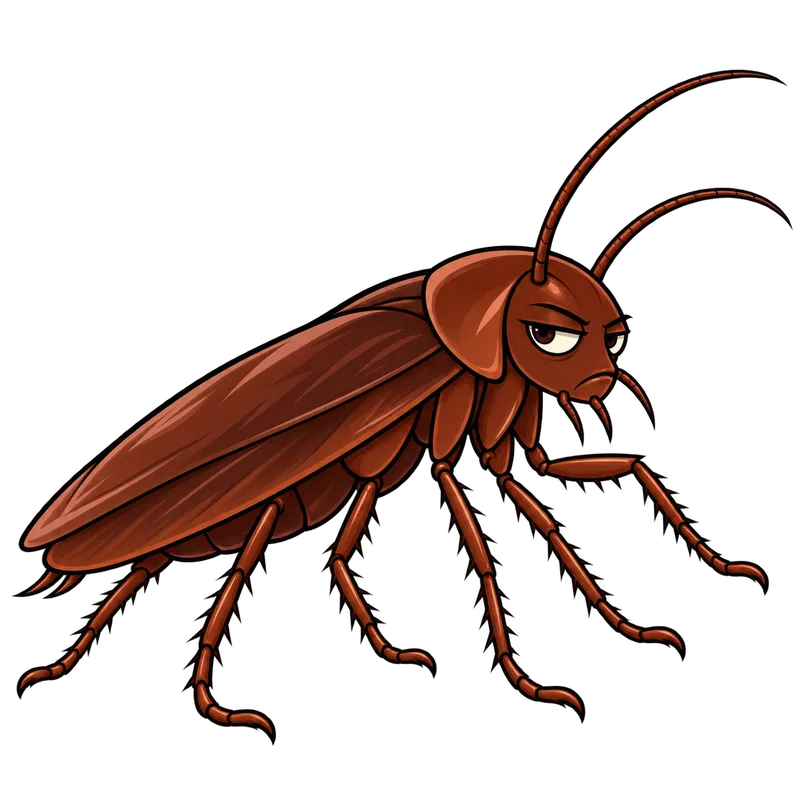
Smokybrown cockroach
Periplaneta fuliginosa
- Size
- Longer than 5/8 inch
- Color
- Uniformly dark brown to black
- Habitat
- Trees, mulch, leaf litter, structural voids
- Diet
- Decaying organic matter, scavenged food scraps
- Life cycle
- Gradual metamorphosis
The smokybrown cockroach is a large insect that looks polished by hand, wearing a coat of deep mahogany brown or pitch black that brooks no variation. Adults measure longer than five-eighths of an inch, with a pronotal shield behind the head exceeding one-quarter of an inch in width. You do not need a microscope to see its defining feature, which is the complete absence of pale markings. Unlike several of its close relatives, that shield above the head is a solid, unbroken dark color without pale borders, yellow margins, or central stripes. Both males and females are fully winged, and those dark forewings cover the entire abdomen and stretch past its tip without any pale streak along the outer edge. If you happen to look at the paired tail filaments under ten times magnification, the terminal segment is short and broad, distinctly not twice as long as wide.
Habitat & behaviour
These roaches are native to warm-temperate, subtropical, and humid southern regions, where they spend their lives outdoors in natural cavities. They favor warm, dark, highly humid niches such as tree holes, decaying logs, heavy leaf litter, woodpiles, and thick mulch beds. They also squeeze into structural voids like soffits and crawl spaces. They are nocturnal omnivorous scavengers, slipping out at night to feed on decaying organic matter, animal refuse, starch, carbohydrates, and proteins. Warm summer nights bring out their flying tendencies, and adults readily glide toward exterior lights or wander through open windows. When you spot one indoors, it has usually wandered in by accident from an outdoor breeding site rather than hatched from an indoor nest. Cold weather drives them closer to houses, pushing them into protected structural gaps and utility penetrations.
Visual variations
Smokybrown cockroaches skip the pupal stage entirely and go straight from egg to nymph to adult, which is the definition of incomplete metamorphosis. Females drop off dark brown or black, bean-shaped egg cases after carrying them for a brief period, gluing them securely inside sheltered cracks or piles of yard debris. Freshly hatched nymphs look like tiny, wingless copies of the older bugs, hanging out in the exact same hiding spots and eating the same food. Right after shedding an old skin, a growing nymph looks soft and ghostly white for a few hours until the new armor hardens and darkens into that signature deep brown. Adults of both sexes have fully grown wings stretching right past the tail end, which means you never have to deal with the wingless female morphs that other roach species throw at you.
Why it matters
Finding one indoors usually means an outdoor crowd is pressing hard against your foundation, not that your kitchen is dirty. Since these scavengers spend their nights rummaging through filth and rotting organic waste outside, they can easily track food-borne bacteria onto your counters and silverware. On top of that, their shed skins, molted shells, and dried droppings put airborne allergens into the air that can spark nasty asthma attacks and runny noses, especially in kids. They do not bite people on purpose, but finding them inside means you need to focus on physical repairs like sealing gaps and cutting back tree branches from your roof, instead of just grabbing a can of spray.
Similar species
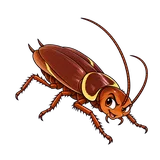 Australian cockroachPeriplaneta australasiae
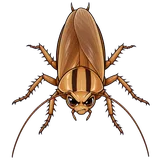 Asian cockroachBlattella asahinai
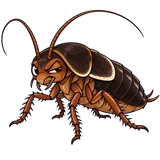 Turkestan cockroachShelfordella lateralis / Blatta lateralis / Periplaneta lateralis
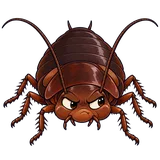 Florida woods cockroachEurycotis floridana
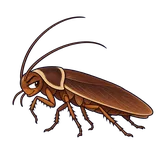 Pennsylvania wood cockroachParcoblatta pennsylvanica
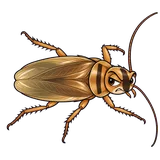 Field cockroachBlattella vaga