
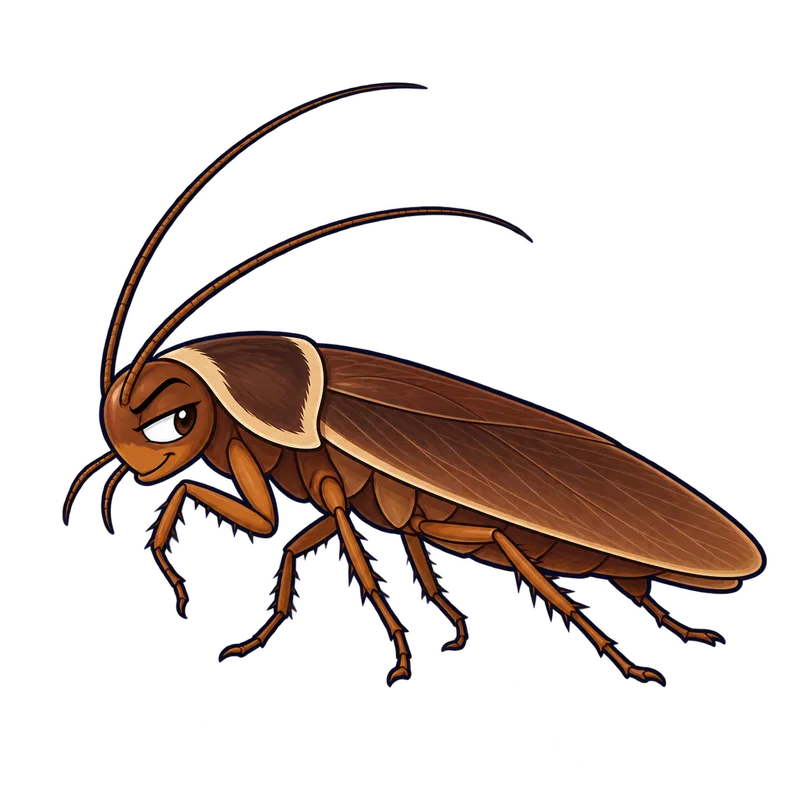
Pennsylvania wood cockroach
Parcoblatta pennsylvanica
- Size
- Males 1 inch; females 1/2 inch
- Color
- Dark brown with pale border on pronotum
- Habitat
- Woodlands, rotting logs, and outdoor woodpiles
- Diet
- Fungi, decaying wood, and forest organic debris
- Life cycle
- Gradual metamorphosis with 6 to 7 nymphal molts
If you spot a large, dark brown insect crawling across your living room floor and immediately suspect the worst about your housekeeping, take a breath. You are likely looking at the Pennsylvania wood cockroach, a creature that belongs outdoors rather than in your kitchen cabinets.
Identity
What sets this species apart from typical household pests is a distinct, pale, translucent border that runs along the outer edges of its head shield, known as the pronotum, and wraps around the base of its front wings. That light-colored margin acts as a built-in name card, separating it instantly from the uniform dark or reddish brown of other roaches.
Size varies dramatically between the sexes. Adult males reach up to 1 inch long and possess long, narrow wings that stretch past the tip of the abdomen, making them look deceptively slender. Adult females grow to about 1/2 inch long and display a teardrop-shaped body with short, rudimentary wings that cover only 1/3 to 2/3 of their back, leaving their lower abdomen exposed like a coat that is two sizes too small.
Nymphs are wingless, dark brown, and wear the same pale lateral borders on their thorax near the head. If you find an egg capsule outdoors under loose tree bark, it will appear as a yellowish brown, rigid ootheca shaped like a half moon, neatly packed with 32 eggs.
Habitat & behaviour
These roaches belong in the woods, not inside your walls. Their natural habitat consists of moist, decaying environments such as rotting logs, tree stumps, hollow trees, and forest leaf litter. They require high environmental humidity to survive and remain hidden beneath bark during daylight hours.
Behavior shifts dramatically after dark, especially during the peak activity months of late spring and summer, spanning from May through August. Adult males are strong, active fliers. On warm summer evenings, they exhibit a moth-like attraction to artificial porch lights and outdoor security lamps, which frequently leads them to blunder through open doors or unscreened windows.
Females cannot fly and spend their time crawling along forest floors or exterior foundation walls. In their natural ecosystem, both adults and nymphs feed on decaying organic matter, fungi, and plant debris. As autumn temperatures drop, these insects seek overwintering shelter beneath fallen timber and loose tree bark.
Visual variations
Sexual dimorphism is striking in this species, meaning males and females look almost like entirely different insects at a glance.
An adult male is a streamlined flyer measuring up to 1 inch long, equipped with full wings that make him look remarkably agile. He spends his summer nights cruising toward porch lights.
The adult female stays firmly on the ground at roughly 1/2 inch long. Her short, abbreviated wings leave her rear abdominal segments exposed, and her flightless lifestyle keeps her foraging among leaf litter and rotting logs.
Immature nymphs mirror the coloration of the adults with a dark brown body and pale lateral margins, but they lack wings entirely and must progress through 6 to 7 molts before reaching maturity.
Why it matters
Finding one of these roaches indoors does not mean your home is infested or unclean. Pennsylvania wood cockroaches are strictly accidental invaders that cannot reproduce or establish resident populations inside buildings. Indoor air lacks the heavy moisture they need, causing wandering individuals to dry out and die quickly within days of entry.
They gain access to living spaces through two main routes: hitchhiking indoors on logs brought in from outdoor firewood piles, or flying through open gaps toward outdoor lighting during warm summer nights.
They pose zero risk to your health or property. Wood cockroaches do not bite, sting, transmit vector-borne diseases, or trigger the chronic allergies associated with German cockroaches. They will not consume structural timbers, furniture, fabrics, or stored pantry goods. Physical removal with a broom or vacuum is all that is required for stray visitors, while outdoor prevention relies on stacking firewood away from foundations and turning off bright exterior lights during peak summer flight periods.
Similar species
 Field cockroachBlattella vaga
 Surinam cockroachPycnoscelus surinamensis
 Brown cockroachcombinações Periplaneta/Validiblatta brunnea: confirmar
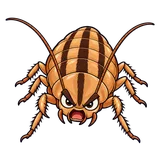 Three-lined cockroachLuridiblatta trivittata
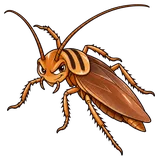 German cockroachBlattella germanica
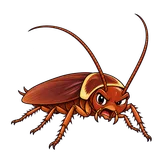 American cockroachPeriplaneta americana