
How do you get rid of German cockroaches?
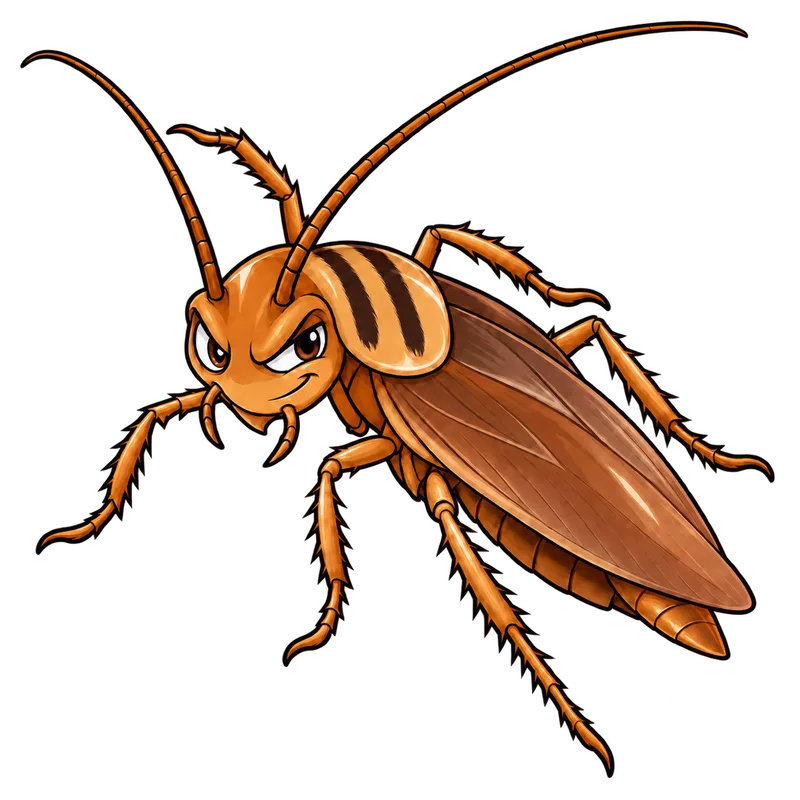
Getting rid of German cockroaches requires cutting off their water and food supplies, using slow-acting gel baits, and applying boric acid in dry wall voids. Skipping surface sprays and foggers prevents them from scattering deeper into walls. In multi-unit buildings or severe infestations, professional pest control is necessary.
What is actually going on
You flip on the kitchen light at midnight, and a small, tan bug darts across the counter, vanishing into the narrow gap beneath the toaster. That quick flash is usually the first sign of trouble, and if you have seen one, there are almost certainly dozens more tucked away in places you cannot see. German cockroaches are not here because your kitchen is dirty, though they certainly enjoy the crumbs. They are here because they found water, warmth, and a secure hiding spot within walking distance of food.
Getting rid of them takes more than a quick wipe-down with kitchen spray or a weekend of frantic scrubbing. These pests are built to survive. A single female carries her eggs in a small capsule attached to her body until they are ready to hatch, which protects the young from the very treatments that usually wipe out other insects. They wedge themselves into spaces as thin as a credit card behind your refrigerator motor, inside wall voids, and under cabinet hinges.
The biggest mistake people make is treating the problem like a simple cleaning issue or an outdoor bug that wandered inside by mistake. German cockroaches are obligate indoor pests, meaning they live where we live and eat what we eat. When you try to solve the problem with a total-release fogger, you usually make things worse. The fog hits the open air of the room and settles on the countertops, while the roaches stay safe inside their cracks. The propellant actually forces them to scatter deeper into the walls and spread to other rooms.
How to tell for sure
Before you start any treatment, you need to know what you are dealing with, because a misidentified pest leads to wasted time and money. The German cockroach is light brown or tan and measures about one-half to five-eighths of an inch long. The easiest way to tell it apart from other indoor pests is the pair of dark parallel stripes running down the shield right behind its head. They have fully developed wings, but unlike some outdoor species, adult German cockroaches usually do not fly.
You might run into a few lookalikes depending on where you live. The Asian cockroach looks almost identical with those same two stripes on its head, but it lives outdoors in leaf litter and readily flies toward porch lights at night. Another common visitor is the brown-banded cockroach. It lacks the dark stripes on the head, features two pale yellow bands across its body, and prefers dry, warm spots high up on walls rather than damp kitchen sinks.
You should also look for the physical evidence they leave behind. Small dark spots that look like coffee grounds near cabinet corners, tiny shed skins from growing nymphs, and small egg capsules are all dead giveaways. If you spot adults scrambling around during broad daylight, that usually means the hiding spaces behind your walls and appliances are completely full, forcing them out into the open.
What usually comes next
Once you have pinned down the culprit, your next step comes down to how you plan to dismantle their hiding places. Put away the standard surface sprays and broad-spectrum aerosol cans. The strategy that actually gets results relies on a coordinated lineup of tactics rather than a single silver bullet.
You begin by cutting off their supplies. Mend that dripping pipe under the kitchen sink, wipe the basin dry before heading to sleep, and lock up your dry goods in thick plastic or glass containers fitted with tight rubber seals. Ordinary screw-top lids will not keep a determined nymph out. Run a vacuum cleaner fitted with a specialized filter to pull up visible bugs, cast skins, and egg cases, then take the bag straight outside to the wheelie bin.
The real heavy lifting of chemical control falls on slow-acting gel baits. You squeeze tiny, pea-sized dots of bait right into the hinges, cracks, and motor housings where the insects hang out. You want the poison to work slowly because a fast-acting chemical kills the scout before it can crawl back to the nest. When a foraging bug eats the slow poison and retreats to the harborage, it shares the toxin with the rest of the colony through grooming and feeding habits. Pair this with a fine dusting of amorphous silica aerogel or boric acid inside dry wall voids to score their protective waxy outer coating and dry them out.
When to get help
There are moments when do-it-yourself tactics simply fall short, and knowing those limits saves you months of endless frustration. If you share walls in an apartment building, a townhouse, or any multi-unit complex, treating just your own kitchen is usually an exercise in futility. German cockroaches travel through shared utility chases, plumbing lines, and electrical conduits, meaning an infestation next door will easily find its way back to your cupboards. Comprehensive building-wide treatments and professional coordination are necessary in those situations.
You should also bring in a licensed pest control operator if you have spent several weeks diligently applying baits and cleaning up, yet you still spot roaches every single day. That stubbornness usually hints at heavy insecticide resistance or a massive, hidden nest inside the structure that you cannot reach.
Health risks provide another clear reason to hand the project over to the experts. German cockroaches carry disease-causing bacteria on their bodies from crawling through refuse, and they leave those pathogens right where you prepare food. More seriously, their shed skins, dried saliva, and droppings shed potent allergens that trigger chronic nasal allergies and severe asthma attacks, especially in small children. If anyone in your household suffers from ongoing breathing trouble, unexplained skin irritation, or worsening asthma, reach out to a healthcare provider right away, and let the professionals handle the eradication.