
Do cockroaches bite people?
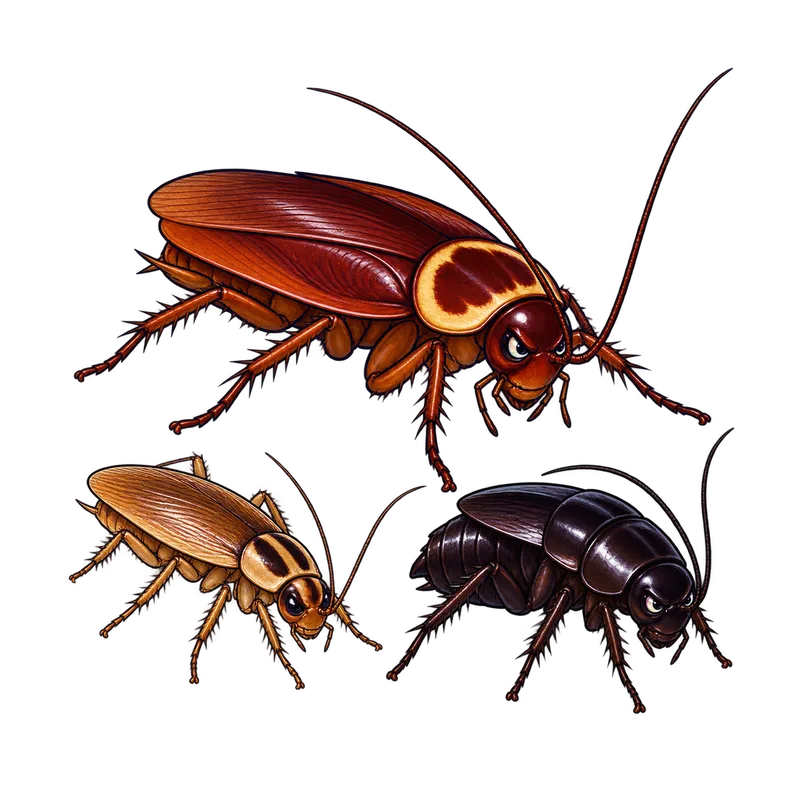
Yes, cockroaches rarely bite living human beings because they are opportunistic scavengers rather than blood feeding parasites. An accidental nibble usually happens only during a severe infestation when food is scarce and the insect is drawn to food residue, skin oils, or dead skin cells on your body or sheets.
What is actually going on
Picture waking up in the middle of the night, feeling a faint scratch on your hand, and turning on the bedside lamp only to spot a dark, oval shape scuttling off your pillow. Your immediate instinct is to check for a red mark and wonder if you just got bitten by a rogue roach. To give you the short answer right away, cockroaches rarely bite living human beings. They are opportunistic scavengers rather than blood-feeding parasites, so a roach is not hunting you the way a mosquito or a bed bug would.
When an accidental nibble does happen, it usually takes place during a severe infestation when food is scarce. Think of it less like a predatory attack and more like a midnight snack raid gone wrong. The roach is not after your blood. It is drawn to the microscopic traces of food residue, grease, skin oils, or dead skin cells left behind on your skin or sheets. A cockroach mouth is built like a pair of tiny garden shears meant for scraping and chewing solid detritus, not like the fine hypodermic needle a mosquito uses to draw blood. They lack venom glands, fangs, and stingers entirely.
So if you wake up with itchy bumps, you are dealing with something else most of the time. The real hazard with cockroaches is not physical bite trauma, but rather what they carry on their bodies. You can picture a roach as a tiny, highly mobile garbage truck. It travels through damp, dirty areas like drains and trash bins, picking up bacterial pathogens on its spiny legs, and then tracks that dirt right across your kitchen counters and cookware. Beyond carrying bacteria, their shed skins, saliva, and droppings dry up and float into the indoor air, triggering severe allergies and asthma.
How to tell for sure
Pete try to play detective by staring at a red mark on their skin, but a skin lesion or photograph can never identify a pest species. Skin reactions vary wildly from person to person. If you are noticing mysterious marks or itching, you usually need to look past cockroaches entirely and consider what else might be sharing your space.
True biting pests leave distinct calling cards that help tell them apart. Bed bugs usually leave clustered itchy red welts on areas exposed while sleeping. Fleas prefer the lower legs and ankles, leaping around carpets and baseboards. If you have bird or rodent mites migrating indoors after an animal host leaves a nest, they will cause widespread itching without an obvious visible culprit. Environmental irritants like dry winter air, fiberglass insulation, or synthetic carpet fibers can also make your skin crawl without a single insect involved.
When you are trying to confirm whether you actually have a cockroach problem, look for physical evidence rather than bite marks. You will usually find dark, pepper-like fecal spots in cabinet corners, musty odors in tight spaces, or light brown egg cases tucked behind appliances. Sticky monitoring traps placed flush against baseboards can also tell you quickly what is moving around after dark.
What usually comes next
Once you figure out that roaches are the issue instead of things that drink blood, you have to decide how to handle them without turning your home into a chemistry experiment. The best approach leans on basic cleaning and drying things out instead of grabbing the heaviest aerosol spray off the store shelf.
Start by cutting off their food and water supply. Put your pantry items into hard plastic or glass containers, wipe down the counters before bed, and fix that dripping pipe under the sink because they need water to live. Block their travel paths by putting caulk around baseboards and where pipes go through walls. When you need to kill them, skip the broad liquid sprays and put out small drops of gel bait in dark cracks where they hide, along with sticky cards to see if your numbers are dropping. If you need to clean up their waste or old skins, use a vacuum with a special tiny-particle filter so you do not blow those allergens all over the room.
Always read and follow the product label instructions carefully if you use any store treatments, and never put chemicals where food sits or gets made. If your cleaning and baiting do not make a dent in the bugs, or if you share walls with neighbors where roaches just march right through, it is time to call a professional.
When to get help
There are times when weekend do-it-yourself tricks just will not cut it and you need someone who does this for a living. If you have a massive takeover on your hands, or if you manage a business or live in an apartment building, a licensed pest control technician needs to step in with a complete management plan.
You also need to think about more than just the bugs and watch out for your health. Because cockroach body parts and waste act as strong indoor triggers, lots of these pests can lead to constant wheezing, runny noses, and bad asthma flare-ups, especially in kids. If someone in your house has trouble breathing, starts having ongoing lung issues, or shows signs of a bad allergic reaction on their skin, talk to a doctor right away. Do not try to guess what a skin mark means or treat serious reactions by yourself. When your health or your home starts taking a beating, leave it to the medical pros and the licensed exterminators.