
Palmetto bug vs cockroach: is there a difference?
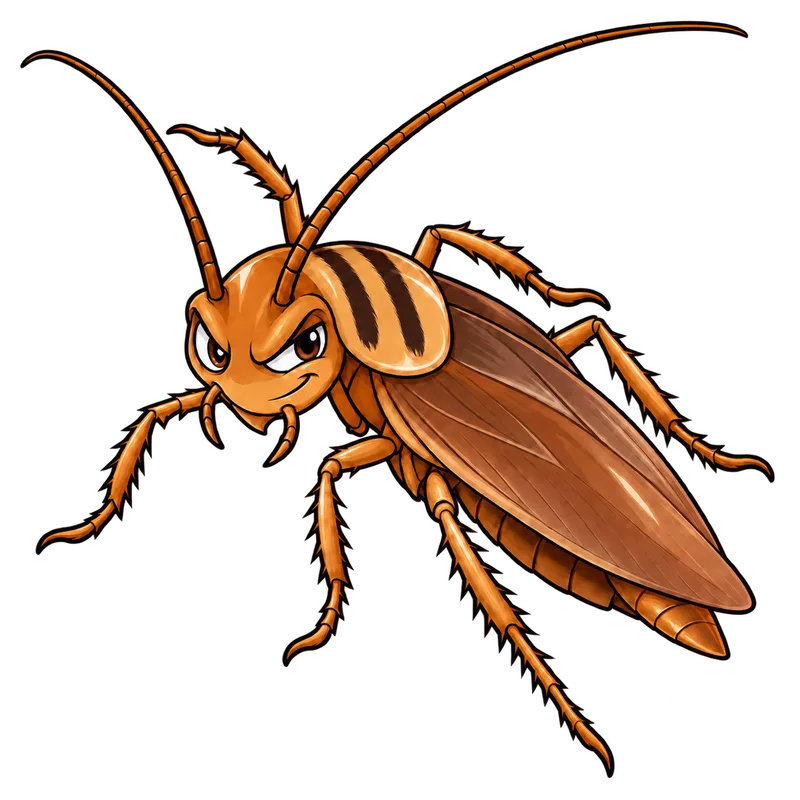
Every palmetto bug is biologically a cockroach, because the term is just a regional southern euphemism for a large outdoor roach. The name usually refers to the American cockroach or the smokybrown cockroach, which measure around an inch and a half to two inches long and wander inside from the mulch beds outside.
What is actually going on
Picture a warm summer evening on a porch in Georgia or Florida. You are sitting outside reading or talking, and suddenly a massive, glossy, reddish-brown insect the size of your thumb drops from a palm frond and skitters across the concrete, or worse, takes flight toward the porch light. Your heart rate spikes. You might call out to someone inside that a palmetto bug just landed by the door. But if a friend from up north happened to visit and saw the exact same insect, they would likely recoil and scream that you have a giant cockroach.
So, is there actually a difference between a palmetto bug and a cockroach? The short answer is no. Every palmetto bug is biologically a cockroach, but not every cockroach is called a palmetto bug.
Taxonomically speaking, there is no separate insect family or genus known to science as a palmetto bug. The term is purely a regional euphemism, born out of southern dialects to soften the psychological blow of sharing a zip code with large insects. These creatures belong to the order that contains all cockroaches. The name sticks in the southeastern United States because these specific roaches naturally live outdoors in the damp, rotting leaf bases of cabbage palmettos, palm trees, pine straw, and tree hollows.
To an entomologist, these outdoor dwellers are known as peridomestic roaches, meaning they breed outside in organic debris and only occasionally wander inside. They enter human structures by accident, usually seeking moisture during dry spells, warmth when temperatures drop, or shelter after heavy summer rains. They are entirely different from the tiny, obligate indoor pests that plague apartment buildings and kitchens. Calling an American cockroach a palmetto bug is a bit like calling a raccoon a trash panda. It sounds far more polite, but underneath the linguistic rebrand, it is still the exact same animal.
How to tell for sure
Telling these insects apart usually comes down to size, markings, and where you spotted them. If you see a giant insect measuring around an inch and a half to two inches long, you are usually looking at what the locals call a palmetto bug, scientifically identified as either the American cockroach or the smokybrown cockroach. These large intruders usually sport a shiny reddish-brown or deep mahogany body, and the American variety features a distinct pale yellow or tan band right around the outer margin of its shield-like pronotum just behind the head.
Conversely, if you find small insects measuring around half an inch long scurrying inside kitchen cabinets, around plumbing fixtures, or behind the refrigerator, you are usually looking at the German cockroach. Instead of a solid reddish-brown coat, these indoor-breeding pests are tan and feature two distinct dark parallel stripes running vertically down their head shield.
Behavior also gives them away. Palmetto bugs are strong, opportunistic wanderers that usually show up alone near a drafty window, an exterior door, a garage, or a basement drain. They did not hatch out from an infestation inside your sofa. They wandered in from the mulch beds outside. German cockroaches, on the other hand, live entirely indoors, reproduce rapidly in tight cracks near food and water, and usually appear in clusters across multiple life stages.
What usually comes next
When you spot a solitary large palmetto bug indoors, the practical response is usually exclusion rather than chemical warfare. Because these peridomestic roaches breed outside in leaf litter and sewers, spraying your entire living room baseboards with a heavy pesticide usually does not solve the root cause. Instead, your best move is to figure out how it bypassed your exterior defenses.
Check the rubber weather stripping and door sweeps on your exterior doors. If you can see daylight underneath the front door, you have left a wide-open highway for wandering insects. Inspect your plumbing penetrations and basement floor drains as well. When the water in a basement floor trap evaporates during a dry spell, it opens a direct vertical tunnel from the sewer infrastructure straight into your basement. Pouring a bucket of water down that drain once a month usually stops the highway traffic cold.
If you find a persistent infestation of small, striped German cockroaches in the kitchen, however, physical exclusion from the outside will not help because they are already living inside your walls and cabinets. That situation calls for strict sanitation, eliminating food crumbs, storing pantry items in rigid plastic containers, and applying targeted gel baits into the tiny cracks and crevices where those indoor roaches actually hide.
When to get help
There are moments when do-it-yourself pest control stops being practical and you need to bring in outside support. If you share a multi-unit building, such as an apartment complex or a condominium, treating your own unit alone rarely works for indoor infestations. German cockroaches travel freely along shared plumbing chases, electrical conduits, and wall voids, meaning a localized problem in one unit requires a coordinated, building-wide professional pest management approach.
You should also look for a licensed professional when you spot cockroaches active during daylight hours, which usually indicates a massive, overcrowded population hiding behind your walls. The same goes if you notice widespread dark speckling resembling ink dots near cabinet hinges, a musty odor permeating the room, or signs that over-the-counter baits are failing.
If you or anyone in your household experiences persistent nighttime asthma flare-ups, chronic wheezing, or watery eyes related to indoor allergen exposure, consult a board-certified allergist for proper testing. Should an accident occur involving pesticide ingestion, skin contact, or inhalation, call your local poison control center immediately or seek emergency medical care.