
What are little brown bugs in a kitchen?
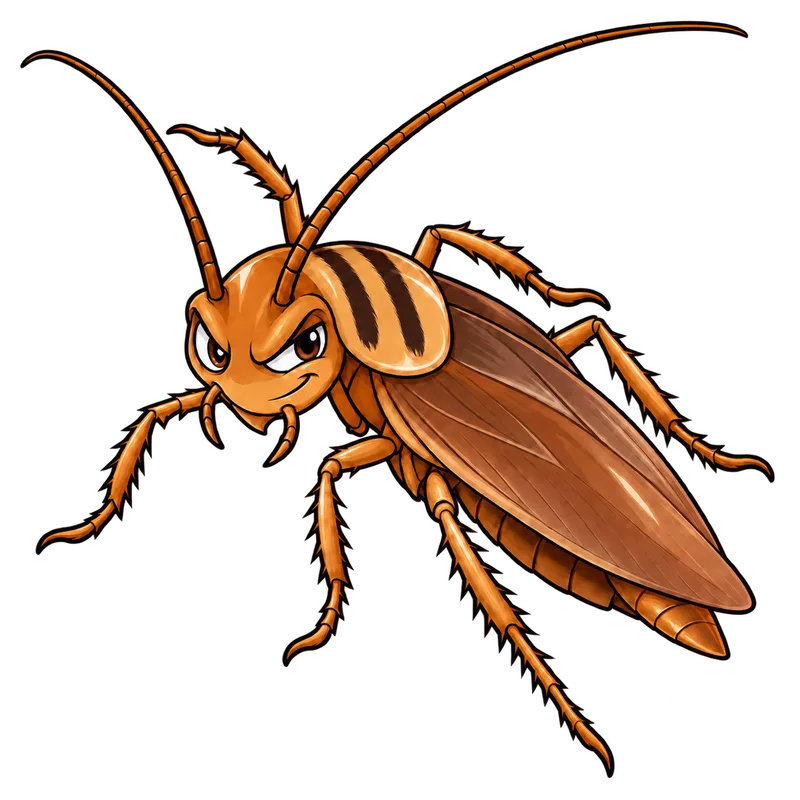
Small brown bugs in a kitchen are most commonly stored product beetles infesting dry foodstuffs, juvenile or adult pest cockroaches seeking food scraps and moisture, or occasional invader insects wandering in from the outside. The exact species depends on whether the insects are living inside your dry goods or hiding in structural cracks.
What is actually going on
Picture this: you are wiping down the kitchen counter on a quiet Saturday morning, reaching behind the flour canister for the measuring spoons, and you notice a tiny, rust-colored speck scurrying across the laminate. You lean in closer. Then you spot another one near the box of oatmeal you bought on sale last month. Your first thought is probably that something crawled in from the garden, but a quick look inside the pantry reveals a small army of critters making themselves at home in your dry goods.
Small brown bugs in a kitchen are most commonly stored product beetles infesting dry foodstuffs, juvenile or adult pest cockroaches seeking food scraps and moisture, or occasional invader insects wandering in from the outside. The exact species dictates whether your next move requires tossing out contaminated pantry goods, baiting structural harborages, or simply sealing up exterior entry points.
It is easy to assume every tiny insect found near food is a pantry pest, but kitchens are complex ecosystems. A baby German cockroach can look remarkably like a small grain beetle to the naked eye, yet their habits and the way you deal with them are entirely different. Treating a cockroach problem by throwing away your flour won't scratch the surface, just as dumping bug spray over a box of infested rice is a complete waste of time and a bad idea for food safety.
How to tell for sure
You have to look closer before you can fix anything. Grab a clear glass jar, capture a couple of the bugs, and take a good look at what you are dealing with. If you are squinting at a creature that is about one-eighth of an inch long, which is roughly the size of a single sesame seed, you usually need a ten-power hand lens to catch the diagnostic details that separate one species from another.
If you are dealing with pantry beetles, the physical layout of their bodies gives them away. Saw-toothed grain beetles are slender, flat, and dark brown, sporting six tiny, tooth-like projections on each side of their chest shield. Cigarette beetles are slightly more oval and reddish-brown with a humped back, holding their heads tucked down so you cannot see them from above. Flour beetles look similar at a glance, but some species have an abrupt three-segmented club at the tip of their antennae, while others taper more gradually. Rice weevils display a distinct narrow snout pointing forward from the head, along with four faint yellowish spots on their wing covers.
Cockroaches are a different story. German cockroach nymphs start out tiny, but they usually show two dark, parallel stripes running down their head shield and move with a frantic speed that beetles rarely match. If you find larger, reddish-brown insects crawling up from the sink or floor drain late at night, you might be looking at American cockroaches that have strolled straight up through a dry plumbing trap. Think of a plumbing trap like a castle moat, where water normally blocks intruders, and if the water seal evaporates from disuse, the moat dries up and becomes an open highway into your kitchen.
What usually comes next
Once you have figured out who is living in your kitchen, you usually have to make one practical choice based on their address. If you find pantry beetles, your main job is tracking down the exact box or bag they are calling home, sealing it inside a plastic trash bag, and walking it out to the bin outside. No spray in the world is going to save a bag of heavily infested flour, and you should never splash liquid pesticides onto open pantry shelves or anywhere food touches anyway.
If your inspection points to cockroaches rather than pantry bugs, throwing out your cereal boxes is not going to solve a thing. Cockroaches need proper cleaning to get rid of grease films and crumbs, plus careful dabs of gel bait tucked right into the tight cracks where they spend their days hiding. Never spray aerosol bug spray over your cockroach baits, because those chemicals chase the roaches away and ruin the bait entirely.
You might hear people talk about spreading diatomaceous earth, which is just a fine powder made from fossilized microscopic algae, to get rid of crawling bugs. If you decide to use it, keep in mind that it works by soaking up the waxy outer oils of insects like a tiny sponge, causing them to dry out and die. Never bring pool filter dust inside your house, because it gets heat-treated and ends up packed with dangerous crystalline silica that can ruin your lungs if you breathe it in. Stick exclusively to food-grade mineral dust, puff it lightly into hidden dry cracks, and wear a basic dust mask while you do it.
When to get help
Some kitchen problems get too big for a simple weekend cleanup and call for backup. If you live in an apartment and share walls with neighbors, pests like German cockroaches move easily through shared plumbing pipes and hollow walls, meaning your personal efforts in one unit will not stop them from migrating. That is the time to get property management involved so they can handle a treatment plan for the whole building.
You will also want to call a professional if you spot powderpost beetles leaving tiny round holes and fine, talc-like dust in your wooden cabinets, or if you find bed bugs setting up shop in kitchen chairs or electrical outlets. When you are buying or selling a house and need official paperwork, certified inspectors have to step in and handle the assessment using proper report forms.
Finally, if anyone in your home starts having severe allergic reactions, trouble breathing, or ongoing asthma flare-ups from indoor bugs, talk to a doctor right away. Keep safety at the top of your list, treat the product label on any pest control item as the absolute law, and make sure you know exactly what pest you have before you even think about using chemicals.