
Can finding one American cockroach indoors mean an infestation?
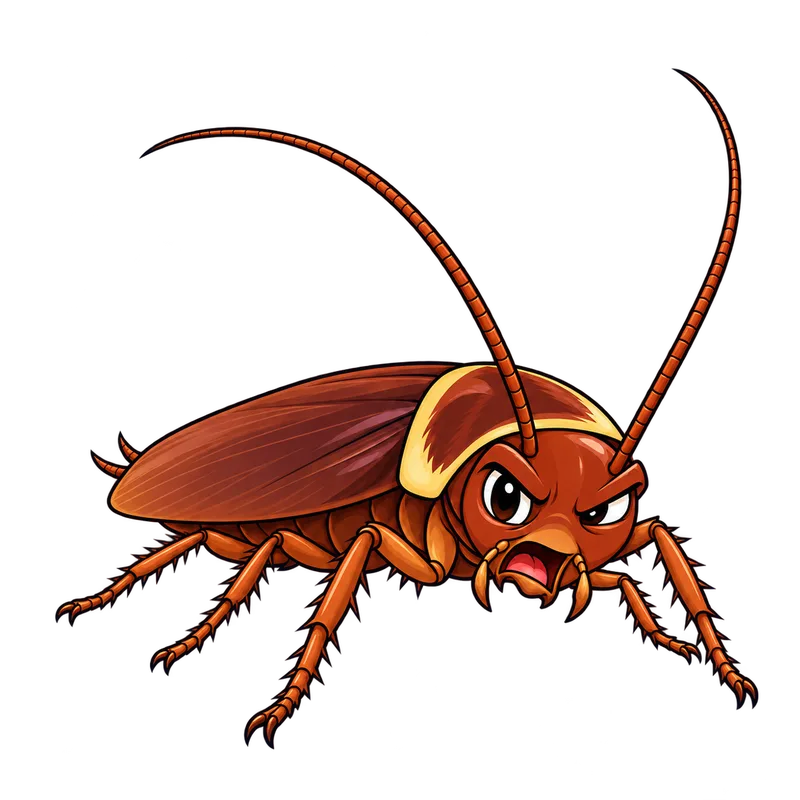
Finding a single adult American cockroach indoors does not automatically mean you have an active indoor breeding infestation. This pest usually wanders inside by accident from outdoor habitats to look for moisture or shelter. However, finding wingless immature nymphs or dark brown egg cases indoors means local reproduction is likely happening nearby.
What is actually going on
Imagine standing in the kitchen late at night, padding across the floor for a glass of water, and catching a glimpse of a giant, reddish-brown insect scurrying behind the refrigerator. It is nearly two inches long, with a pale yellow ring right behind its head. Your stomach turns instantly. You grab a shoe, take care of the intruder, and then spend the next hour wondering if your home is about to be overrun by a full-scale colony.
Finding a single adult American cockroach indoors does not automatically mean you have an active indoor breeding infestation. This particular pest prefers to live and reproduce outdoors in places like mulch beds, woodpiles, and leaf litter, or underground in municipal sewers and storm drains. Unlike their smaller German cockroach cousins that depend entirely on indoor human structures to survive, American cockroaches usually wander inside by accident. They are looking for moisture, shelter, or an escape from severe weather like heavy summer rains or extreme heat.
Think of that lone adult as a lost hiker who wandered off a trail and stumbled through your open front door. It did not move in to start a family, and your home is not suddenly a disaster zone just because one showed up. They possess fully developed wings and strong legs, allowing them to glide or march into buildings through unsealed gaps, open windows, or dry plumbing pipes.
Still, how do you know if that lone wanderer was just an unlucky tourist or the scouting party for something worse?
How to tell for sure
To know what you are dealing with, you have to look closer at what you found. An adult American cockroach is unmistakable due to its sheer size. Measuring one and a half to two inches long, it is the largest common structure-infesting roach in the United States, roughly the length of an adult human thumb. It sports a reddish-brown or chestnut color with a distinct yellowish margin around the shield just behind its head.
If you only found one large adult, it is usually an isolated intruder. But the story changes entirely if you spot certain other clues. You want to keep your eyes peeled for wingless, shiny reddish-brown nymphs, which are the immature versions of the insect. Because nymphs cannot fly in from the outdoors like adults can, finding them indoors usually means they hatched right where you found them.
You should also look around basement corners, utility closets, and dark crawl spaces for egg cases. These are dark brown or black, bean-shaped capsules measuring about three-eighths of an inch long. Female American cockroaches drop or glue these small capsules in protected cracks, so finding them means local reproduction is likely happening nearby.
Another major telltale sign is location. If you live in a multi-story apartment building or a home connected to a shared municipal sewer line or steam tunnel, a stray roach might have simply climbed up through the plumbing. That brings us to the most vulnerable highway in your house: the floor drain.
What usually comes next
Instead of panicking or racing out for bug bombs, take a practical approach. You need to secure your home against future wanderers, and the first place to start is your plumbing. Dry floor drain traps act like an empty castle moat. Sinks, showers, and basement floor drains rely on a small bend of standing water to block sewer gases and pests. When a basement or laundry drain is rarely used, that water evaporates, leaving a wide-open highway straight from the sewer into your house.
Pouring about a gallon of water down every basement, laundry, and rarely used bathroom drain fills those traps back up and usually solves the problem overnight. Beyond your drains, take a flashlight and inspect your exterior doors and foundation penetrations. Install tight door sweeps, fix leaky pipes, and caulk around any unsealed utility lines where pipes enter the house.
If you want to monitor the situation without guessing, place sticky glue traps flush against baseboards in dark corners, near water heaters, and around plumbing lines. Leave them for a few days. If the traps stay empty, your lost hiker was a one-time visitor. If you keep catching roaches night after night, or if you spot immature nymphs, it is time to look at targeted solutions like insecticidal gel baits placed in hidden cracks and crevices. Avoid total-release bug bombs entirely, as they fail to reach deep harborages and often just push the insects further into your wall voids while creating unnecessary chemical hazards.
When to get help
There are moments when a do-it-yourself approach is no longer enough and you need to bring in outside support. If your sticky traps consistently capture roaches over multiple days, or if you discover immature nymphs and glued egg cases in your living spaces, you are dealing with an established harborage rather than a stray visitor.
You should also call a licensed pest management professional if the roaches are clearly coming up from shared commercial infrastructure, apartment building steam tunnels, or municipal sewer mainlines where you lack direct access to seal the source. Professionals have the tools and structural know-how to trace deep underground pathways that a household plunger or a tube of caulk cannot fix.
Keep in mind that cockroaches carry physical risks that go beyond a simple scare. Their bodies, shed skins, and fecal droppings contain potent allergenic proteins that can trigger severe asthma attacks and allergic rhinitis, especially in children and sensitive individuals. They can also mechanically transfer bacteria like Salmonella onto food prep surfaces. If anyone in your household experiences persistent allergic reactions, severe asthma flare-ups, or sudden foodborne illness symptoms, consult a qualified physician, urgent care clinic, or poison control center right away.