
What attracts cockroaches to household appliances?
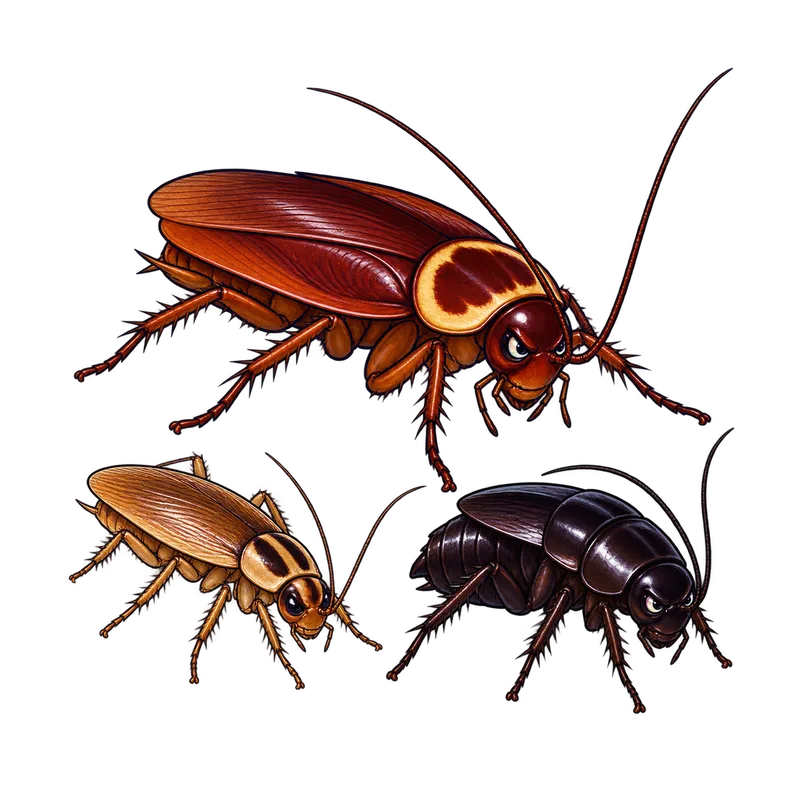
Household appliances draw domestic cockroaches in by offering continuous warmth, reliable moisture, and narrow physical spaces that make them feel secure. Motors and heating elements generate steady waste heat, while drip pans and cooking deposits supply water and food. These tight structural voids also satisfy an innate behavioral drive to press against surrounding surfaces.
What is actually going on
Imagine walking into the kitchen late at night, flicking on the overhead light, and watching a small insect scramble in a panic to disappear beneath the refrigerator. It looks like an ordinary kitchen appliance from the outside, but underneath the metal casing, it is essentially a five-star resort for pests. Household appliances draw cockroaches in because they offer a combination of continuous warmth, reliable moisture, and narrow physical spaces that make these insects feel completely secure.
The primary reason involves heat and biology. Domestic cockroaches trace their ancestry back to tropical and subtropical climates, meaning they prefer ambient temperatures that feel cozy rather than chilly. The electric motors, heating elements, compressors, and wiring inside appliances generate waste heat around the clock. Even when the kitchen cools down at night, the motor compartment behind the refrigerator or the internal housing of a microwave stays comfortably warm, providing a stable microclimate that buffers the insects against room-level temperature drops or dry air currents.
Beyond the warmth, appliances provide the other two survival essentials: water and shelter. A refrigerator drip pan collects condensation, a dishwasher maintains a moist internal sump and drainage trap, and everyday cooking deposits aerosolized grease, starch, and food crumbs into inaccessible rear cavities and kick panels. Physically, cockroaches possess an innate behavioral drive called thigmotaxis, which is just a technical way of saying they prefer to squeeze into tight structural voids where their bodies can touch surrounding surfaces on both their tops and bottoms simultaneously. The narrow wire chases, motor compartments, and gaps around appliance feet offer optimal compression.
How to tell for sure
Spotting a stray insect near the toaster does not automatically confirm an established appliance population, but certain signs usually point directly to it. If you pull out a flashlight and look behind or beneath freestanding appliances, you are usually looking for the German cockroach if you live in a typical home. Adults usually measure about one-half to five-eighths of an inch long, display a light brown or tan coloration, and feature two dark, parallel longitudinal stripes running down the shield just behind the head. Nymphs are smaller, darker, and feature a light central dorsal stripe. Adult females often carry a light tan egg case protruding from the abdomen until just before hatching.
Another common indoor pest is the Brown-banded cockroach, though it usually prefers drier, warmer zones. These measure about one-half inch long and display a golden brown or dark chestnut color with two distinctive pale, yellow-brown transverse bands across the base of the wings and abdomen. Instead of clustering near moist refrigerator drip pans, they usually infest high wall areas, light fixtures, electric clocks, and the upper, drier sections of appliances.
Beyond seeing the insects themselves, telltale signs usually include speckled black or brown fecal deposits that resemble coffee grounds or black pepper clustered along appliance seams and door gaskets. You might also notice shed nymphal skins or detached egg cases. If you want to confirm identity closely, a ten-times hand lens helps inspect fine morphological features, but ambiguous samples often require a pest professional or a university extension specialist for positive confirmation.
What usually comes next
Once you suspect an appliance harbors an infestation, your practical choices center on environmental cleanup and careful monitoring rather than grabbing random aerosol cans. Total-release foggers will not penetrate narrow appliance motor housings, and their repellent propellants usually just drive the insects deeper into wall voids or adjacent rooms. Spraying liquid insecticides into energized appliance electronics also creates severe electrical short-circuit and fire hazards.
Instead, start by pulling freestanding refrigerators, stoves, and moveable units away from walls to clean accumulated crumbs, grease spills, and organic dust. Empty, clean, and dry refrigerator condensation drip pans regularly, and clean toaster crumb trays and microwave interiors frequently. To track activity without chemical exposure, place perforated cardboard glue traps tight against wall-floor junctions and directly adjacent to appliance feet or rear motor housings.
If chemical intervention becomes necessary through baits or dusts, the pesticide container label governs all uses and carries the force of law. Never extend or contradict label directions. Apply gel baits or child-resistant bait stations in small, targeted placements directly into non-exposed cracks, crevices, and kick-panel voids where food or liquid spills will not wash them away. If using insecticidal dusts like boric acid or insecticidal-grade silica gel, apply them in thin layers into enclosed wall voids or beneath appliance kick panels where human or pet contact is prevented. Never use pool-grade silica gel for pest control, because it contains high crystalline silica fractions that pose severe inhalation and lung risks.
When to get help
While basic sanitation and careful placement of containerized baits can handle modest household issues, certain situations demand professional intervention. You should involve a licensed pest management professional when infestations persist despite your cleaning and baiting efforts, or when the problem occurs in a multi-unit apartment building where insects travel freely through shared wall voids and utility chases. Commercial food handling establishments or heavy high-voltage equipment also require specialized technical disassembly and restricted-use interventions.
Health considerations also dictate when to seek outside help. Cockroaches travel freely between waste and food preparation surfaces, mechanically transferring bacterial pathogens like Salmonella and Shigella that cause food poisoning and gastroenteritis. Furthermore, their saliva, shed exoskeletons, and fecal deposits contain potent allergenic proteins that trigger chronic allergic rhinitis and severe asthma attacks, particularly in children and older adults. Editorial guidance cannot diagnose medical conditions or prescribe treatments, so any reader displaying persistent asthma symptoms, skin rashes, or foodborne illness must consult a qualified clinician, urgent care center, or regional poison control service immediately.