
What can cockroach droppings tell you about a hiding area?
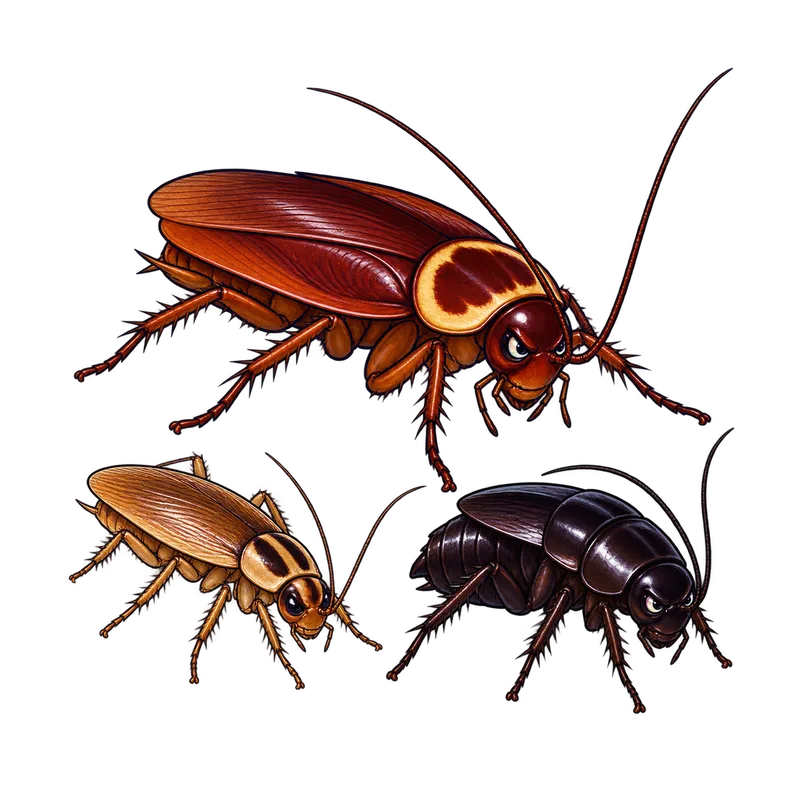
Cockroach droppings tell you that you have found an active hiding area where the insects rest and reproduce. These clusters of tiny, raised black or dark brown dots act as chemical beacons packed with aggregation pheromones that draw more roaches into the same warm and humid structural void.
What is actually going on
Imagine you open the cupboard beneath your kitchen sink to grab a fresh sponge, and you notice what looks like a light dusting of coarse black pepper scattered along the hinge and right into the tight corner where the wood panels meet. You might assume it is just some dirt that tracked in from the pantry or stray coffee grounds. If you take a closer look, though, you will see those tiny specks are actually clustered tightly in the darkest, narrowest gaps, and they are usually accompanied by a faint, musty odor. What you are looking at is not accidental debris. It is a cluster of cockroach droppings, and it tells you that you have found an active hiding area.
Cockroaches do not wander your house at random during the day. They prefer dark places and tight physical spaces that touch their backs and bellies at the same time. They spend most of their lives wedged into narrow structural voids, behind refrigerator motors, or beneath laminate countertops. When they hunker down in these spots for days or weeks at a time, they leave behind fecal specks and dark smears.
These droppings are much more than simple waste. They are packed with chemical messengers called aggregation pheromones. Think of a cockroach dropping as a signal left in a dark alleyway that tells every other roach in the vicinity that this particular crack is warm, safe, humid, and close to water. The more droppings that accumulate in a specific crevice, the stronger that chemical beacon becomes, drawing more insects into the same tight cluster. When you spot a concentration of these dark little specks, you are essentially looking at a map of where the population feels secure enough to rest, digest, and reproduce.
How to tell for sure
Not all bug droppings are created equal, and figuring out what you are looking at requires a quick eye for detail. If you are dealing with the most common indoor nuisance, the German cockroach, the droppings will usually look like tiny, raised black or dark brown dots, often sitting right on top of surfaces like crusty little pepper grains or dark ink smears, usually right next to paper-thin shed skins that nymphs leave behind as they grow.
You can usually tell these apart from mouse droppings because mouse droppings are much larger, cylindrical, and have tapered ends, whereas roach specks are irregular, tiny, and lack any fibrous texture. If you happen to live in a dry climate and find similar dark marks high up on walls near picture frames, you are usually looking at the work of brown-banded cockroaches, which prefer warm, dry air over damp kitchen plumbing. Larger outdoor species leave behind distinct, solid cylindrical pellets that feature visible ridges along their sides, often found down in damp basements or around floor drains.
One common doubt people raise is whether old staining means an active infestation is still underway. Stains can linger on unfinished wood and drywall long after the insects are gone. To know for sure, you have to check if the spots are fresh by placing a sticky glue trap right against the baseboard or cabinet corner. If you catch live insects within forty-eight hours, your harborage is still active.
What usually comes next
Once you locate a hiding spot marked by heavy waste speckling, your next move has to be careful, because cleaning up that mess requires some thought. Never take a dry broom or a can of compressed air to cockroach droppings. Sweeping dry waste breaks those microscopic particles and shed skins into dust, sending potent asthma-triggering allergens straight into the air you breathe.
Instead, you want to use a vacuum cleaner fitted with a specialized high-efficiency filter, or wipe those surfaces down gently using warm soapy water while wearing disposable gloves and a basic dust mask. Cleaning the area removes the chemical beacons and the severe allergens, but simply scrubbing away the stains will not solve the underlying problem.
If you leave those structural gaps open and fail to treat the area, new insects will quickly move right back into the exact same void. Modern pest management relies heavily on the biology of these creatures, specifically a habit where young nymphs feed on the waste of older adults. When adult roaches consume slow-acting insecticidal baits placed near these harborages, the active ingredients pass into their droppings, creating a secondary kill for hidden babies. When applying baits or sealants, always follow the product label instructions precisely, keeping in mind that the product label carries the full weight of the law.
When to get help
There are moments when a do-it-yourself approach using traps and careful cleaning is simply not enough to turn the tide. If you start seeing live cockroaches wandering out into open living areas or bedrooms during broad daylight, that is usually a sign that the hidden harborages inside your walls and appliances are severely overcrowded, forcing the population to spill outward.
You should also involve a licensed pest professional if waste speckling and clusters appear spread across multiple unrelated rooms, such as hallways and bedrooms, rather than remaining isolated to kitchen and bathroom plumbing zones. Multi-family housing units and commercial kitchens should always be handed over to experts who understand structural integrated pest management and local regulatory compliance.
On the health side of things, remember that cockroach droppings, saliva, and cast skins are loaded with potent protein allergens that frequently trigger chronic allergic rhinitis, persistent wheezing, and severe pediatric asthma. If anyone in your household begins experiencing acute respiratory distress, wheezing, or persistent skin irritation, stop cleaning immediately and contact a qualified clinician or allergist for proper medical evaluation and care.