
What does a baby palmetto bug look like in Florida?
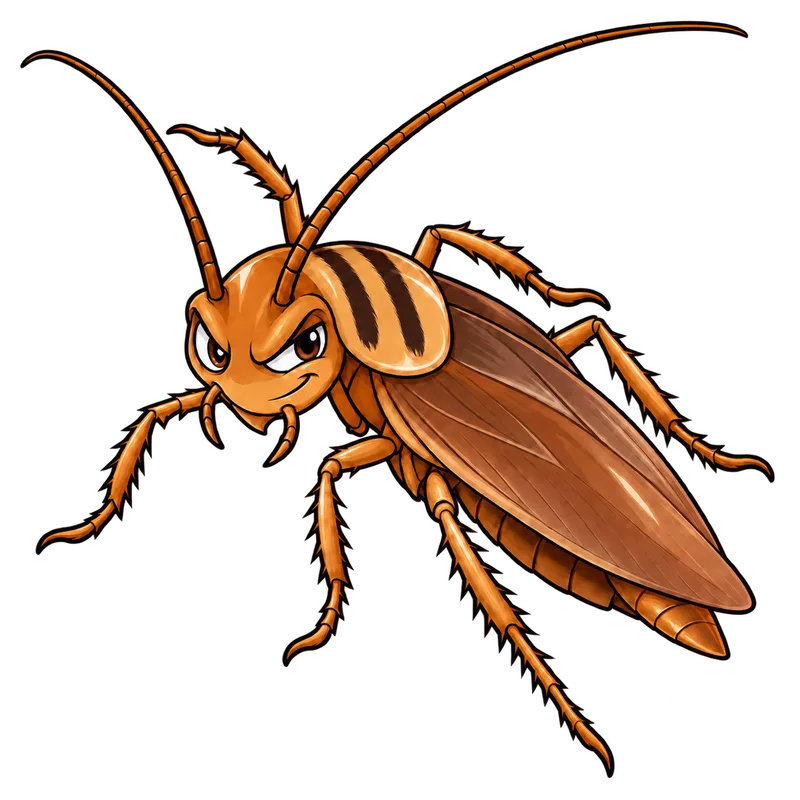
A baby palmetto bug nymph in Florida looks like a tiny, fast-moving, reddish-brown insect about the size of a grain of rice. These immature American cockroaches are shiny and lack the fully formed wings of adults, showing either no wing structure at all or small wing pads as they grow.
What is actually going on
You are standing barefoot in the kitchen getting a glass of water, turn on the overhead light, and a tiny, fast-moving reddish bug scurries out from under the dishwasher and vanishes behind the baseboard. You freeze, wondering if you are about to deal with a full-blown household infestation. If you live in Florida, you are likely looking at the immature stage of the American cockroach, which everyone locally calls a palmetto bug.
People often picture baby insects as helpless, grub-like things that stay in one place, but a young palmetto bug is built for speed from the moment it hatches. These immature bugs, known to science as nymphs, look quite a bit like miniature versions of the adults you see scuttling across patio screens in the summer. They do not spin cocoons or go through a pupa stage like a butterfly or a beetle. Instead, they grow just like children do, gradually getting bigger and shedding their rigid outer skins through a series of molts until they reach full size and grow wings.
The reason you are seeing them inside usually comes down to simple outdoor weather shifts. Palmetto bugs are fundamentally outdoor creatures that live in damp places like mulch beds, woodpiles, and palm fronds. When a heavy afternoon summer downpour floods their favorite hiding spots, or when a dry heat wave bakes the yard, those nymphs go looking for moisture and a safer climate. They slip right under the door, squeeze through a foundation crack, or wander up through a dry plumbing drain. Finding one inside is less an indictment of your housekeeping and more a sign that the local weather is driving outdoor insects to look for a drink.
How to tell for sure
An early-stage palmetto bug nymph starts out tiny, usually around the size of a grain of rice, and features a pale to reddish-brown color. As it feeds and molts its way through multiple growing stages, that body color darkens into a deep reddish-brown or dark mahogany.
You can usually tell it is a nymph rather than an adult by looking at its back. Adults possess fully formed, functional wings that cover the length of their bodies, while nymphs completely lack them. Younger nymphs show no wing structure at all, while older nymphs develop small, rigid wing pads on their thorax as they get closer to adulthood.
You might wonder if you are looking at a German cockroach instead, which is the kind that actually moves in and takes over kitchen cabinets permanently. German cockroaches are smaller, lighter brown, and sport two distinct dark parallel stripes right behind their heads. Palmetto bug nymphs are uniformly darker, shinier, and lack those telltale stripes. They also tend to be loners that wandered in from the yard, whereas German cockroaches usually bring an entire extended family with them.
What usually comes next
Once you have figured out what is scurrying across your floor, your main practical choice comes down to treating it like a stray traveler or planning for a larger crowd. Because these bugs live outdoors and try to move inside whenever the weather shifts, spraying random pesticide across your living room floor will rarely solve the underlying issue.
Focus your energy on physical barriers and managing moisture in your home. Pour water down bathroom and laundry drains that do not get used often to keep the traps full, because dry pipes act like an open highway straight from the sewer. Put tight sweeps on your exterior doors and seal up any obvious gaps around the thresholds. Keeping your indoor humidity below fifty percent creates a dry climate that crawling insects find hard to handle. If you decide to use targeted treatments indoors, small spots of registered gel bait near baseboards and cracks work much better than broad sprays or total-release aerosol foggers that never reach deep into the wall voids where nymphs hide. Always read and follow the pesticide product label carefully, as federal law requires strict adherence to its instructions.
When to get help
There are moments when a simple weekend DIY plan stops being enough and you need to bring in someone who does this for a living. If you keep finding young nymphs indoors week after week, you probably have an active breeding spot hidden inside your walls or unsealed plumbing lines instead of just a random wanderer from the yard.
For heavy infestations, tricky structural entry points, or commercial kitchens, call a licensed pest control professional who has the right tools and access to restricted treatments. If anyone in your home suffers from ongoing allergy symptoms, chronic asthma, or severe breathing trouble triggered by insect dander, talk to a qualified doctor or allergist for proper medical care. When you use outdoor or landscape pesticides yourself, keep those treatments away from storm drains, ponds, and streams to protect fish, beneficial bugs, and local water life.