
Why are there cockroaches in a clean house?
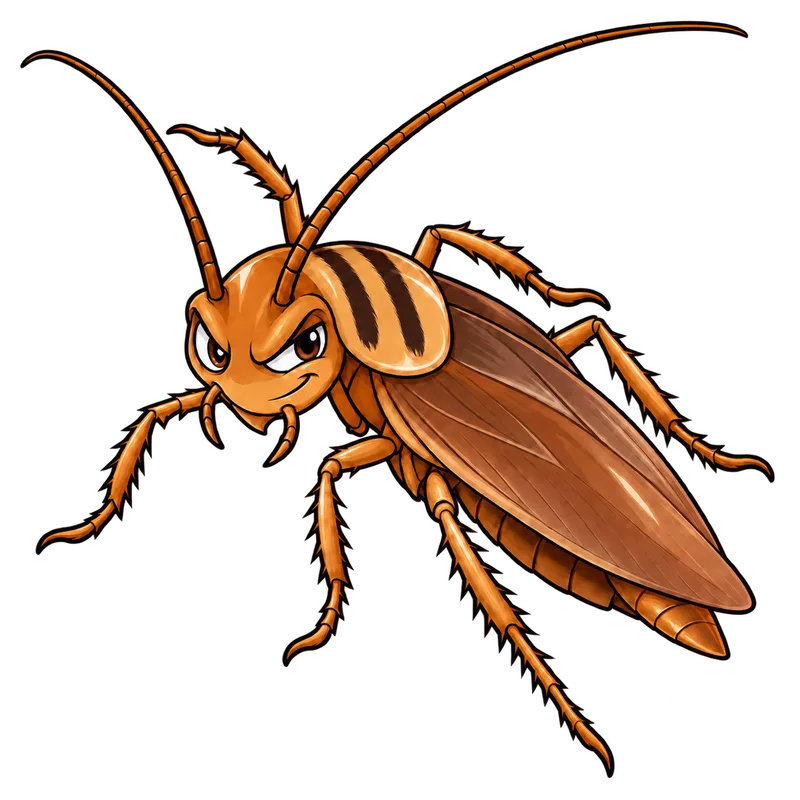
Cockroaches enter a clean house because domestic sanitation removes human food debris but cannot eliminate freestanding moisture, dark shelter, or alternative carbon sources like paper glues. Pests arrive passively in deliveries or migrate actively through shared plumbing chases and structural gaps. Clean homes still supply the essential water and shelter these insects need to survive.
What is actually going on
Imagine coming home from a long week, scrubbing your kitchen counters until they gleam under the overhead light, and then spotting a small, fast-moving bug dart behind the toaster. You might feel a mix of disbelief and annoyance. How on earth can there be cockroaches in a spotless house?
The short answer is that domestic sanitation removes human food debris, but it cannot eliminate freestanding moisture, dark micro-harborages, or alternative carbon sources like paper glues and cardboard, allowing pests to enter passively via deliveries or actively through shared plumbing chases and structural gaps.
The common belief that cockroaches only infest unsanitary structures is a persistent misconception that confuses pest attraction with pest survival. While poor sanitation accelerates population growth by providing abundant food debris, clean homes regularly supply the three fundamental biological requirements for cockroach survival: shelter, water, and non-food organic matter.
Indoor pest cockroaches are primary hitchhikers and structural opportunists. Species like the German cockroach are frequently introduced into pristine environments passively inside corrugated cardboard boxes, grocery sacks, beverage crates, secondhand furniture, and electrical appliances. Corrugated cardboard provides ideal shelter, insulation, and moisture retention during transit, making it a primary transport vector for adult roaches and egg cases.
In multi-family residential buildings, individual unit sanitation cannot isolate a home from surrounding infestations. German cockroaches travel along utility conduits, plumbing lines, electrical wiring, and wall voids, migrating freely between adjoining apartments. A single heavily infested unit can distribute foraging roaches into clean adjacent units through unsealed wall penetrations.
How to tell for sure
You usually need to look at specific physical traits and behavioral clues to figure out what kind of roach you are dealing with. A clean home does not mean all roaches behave the same way, and identifying the exact species usually dictates your next move.
German cockroaches usually measure eleven to sixteen millimeters long, show a light brown or tan color with two dark longitudinal stripes on the pronotum, and concentrate near warm, humid kitchen and bathroom fixtures under sinks or behind refrigerators.
Brown-banded cockroaches measure eleven to fourteen millimeters, show golden brown to dark brown coloring with two transverse pale bands across the body, and usually occupy dry, warm locations high up in living areas like ceilings, picture frames, and furniture.
Peridomestic species like the American cockroach and Oriental cockroach usually enter clean homes actively through structural entry points in search of water or shelter during extreme weather, squeezing through gaps beneath exterior doors, unsealed foundation cracks, and dry floor drain traps connected to sewer lines.
Outdoor accidental invaders like the Pennsylvania wood cockroach or Turkestan cockroach usually live in lawns, leaf litter, or rotting wood and wander indoors by mistake or toward exterior lights, but they usually die indoors and rarely establish breeding populations in a clean, dry home.
What usually comes next
When you spot a roach on that gleaming floor, the temptation to buy a few total-release foggers or aerosol bug bombs is completely understandable. Those spray cans rarely work out the way you want, though, because they fail to reach the deep cracks where insects hide, create real fire risks, and often just scatter the surviving pests deeper into your walls or straight into the neighbor's unit.
You are much better off starting with a good flashlight and checking the dark, tight spots where moisture hangs around. Take a close look under the kitchen sink, peer behind the refrigerator compressor, and check around the back of the stove. Setting out simple glue boards against the baseboards near water pipes will tell you pretty quickly what you are actually dealing with and where they are coming from.
Your main defense should be closing up entry points and drying things out instead of spraying the place down with random chemicals. Grab a tube of silicone caulk to seal around the plumbing pipes under the sink, put a proper sweep on the exterior doors, fix that slow drip in the bathroom faucet, and get into the habit of wiping the kitchen sink dry before you go to bed. Take away their water, and they will struggle to stick around.
If you decide to use commercial baits, look for professional-style gel formulations or enclosed bait stations. Apply the gel in tiny, pea-sized dabs right inside the cracks and crevices where you suspect they live, and never spray surface insecticides near the bait or the roaches will ignore the food entirely. Make sure you read the product label from start to finish before opening anything, because the label is the law and keeps you out of trouble.
When to get help
There are times when do-it-yourself efforts simply will not cut it, especially if you live in a multi-unit building. When roaches keep marching through shared wall voids and utility chases from neighboring apartments, you need a coordinated building-wide treatment plan that only a pest control company can manage.
You should also hand the job over to a professional if you have put out baits and monitored the situation for two weeks without seeing any drop in numbers, or if you are dealing with a heavy infestation in a commercial kitchen, school, or medical facility where strict rules govern pesticide applications.
If anyone in your home starts suffering from severe asthma attacks, breathing trouble, or sudden allergic reactions tied to pest allergens, stop what you are doing and call a doctor, urgent care clinic, or poison control center right away.