
Can American cockroaches fly?
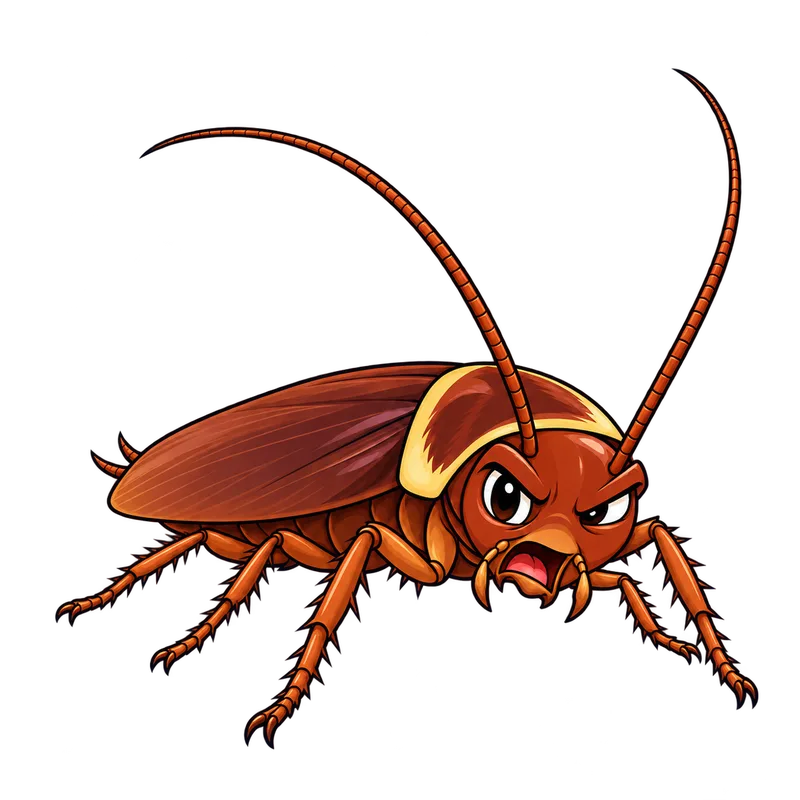
Yes, adult American cockroaches possess fully developed wings and are physically capable of flight, but they rarely fly under normal conditions. When they do take to the air, it usually looks like a controlled descent from a high wall or ceiling down to a lower surface. Flight requires specific conditions, such as ambient temperatures climbing past eighty degrees.
What is actually going on
Picture walking into a dimly lit basement laundry room after a scorching summer rainstorm, flipping on the light switch, and watching a massive two-inch reddish-brown bug launch itself from the top of the water heater and glide straight toward the floor. You might stand there frozen, wondering if you are dealing with a pest that can chase you through the air. The short answer is yes, adult American cockroaches possess fully developed wings and are physically capable of flight, but they rarely fly under normal conditions.
Think of them less like nimble houseflies and more like heavy paper gliders thrown from the top of a bookshelf. When they do take to the air, it usually looks like a controlled, clumsy descent from a high wall or a ceiling down to a lower surface. They do not hover or buzz around a room with any real direction. Instead, they rely on gravity and outstretched wings to break a long fall or travel laterally when the weather turns intensely hot and humid.
You might wonder why you have never actually seen one buzzing around your living room light if they have wings. The reality is that American cockroaches are fundamentally runners. They prefer to scurry across baseboards and hide in dark crevices, using their legs to dart out of sight long before they ever think about spreading their wings. Flight requires very specific environmental conditions, such as ambient temperatures climbing past eighty degrees, which revs up their metabolism and prompts those rare, clumsy flight bursts or downward glides.
Nymphs, which are the immature stages of the insect, lack functional wings entirely and cannot leave the ground at all. When an adult does decide to glide, it is usually because heat, heavy rain, or rising water in outdoor sewer lines has forced it out of its normal hiding spot and up a vertical pipe in search of relief.
How to tell for sure
Telling pests apart matters because misidentification leads to wasted time and useless treatments. Adult American cockroaches usually measure one and a half to two inches long, sporting a reddish-brown body with a distinct pale yellow border around the front edge of their head shield. Both males and females have full wings that cover the entire length of their abdomen.
People often confuse them with other common species, and that is where the confusion about flying usually starts. German cockroaches have full wings as adults, but they cannot fly at all. If you see a small, light brown roach scurrying across your kitchen counter, it is grounded. On the other hand, Asian cockroaches look almost identical to German roaches with their two dark parallel stripes behind the head, but Asian roaches live outdoors and readily fly toward lit windows at night.
You might also spot male Brown-banded cockroaches flying when disturbed, while the females of that same species have shorter wings and stay on the ground. Oriental cockroaches are dark brown, and neither sex can fly. If you are trying to figure out what you are looking at, check the size and markings first, keeping in mind that wings do not automatically equal an aerial threat.
What usually comes next
Deciding what to do next starts with figuring out where they are sneaking in and blocking their route. Because American roaches usually live outdoors in mulch beds, stacked firewood, and drainage pipes before wandering inside, your best first step is sealing up the gaps they use to cross the threshold.
Check your plumbing and moisture levels closely because these bugs thrive in damp conditions. Fix leaky pipes, insulate sweating water lines, and make sure your floor drain traps stay filled with water so dry pipes do not act as open entryways straight from the sewer. Caulk foundation cracks and install tight-fitting door sweeps on exterior entries.
Skip total release foggers, often called bug bombs, because they leave messy chemical residues on surfaces, pose a fire hazard, and fail to reach the dark wall voids where roaches actually hide. Instead, place simple sticky traps flat against wall corners and behind appliances to monitor activity, and apply baits or fine dust powders strictly inside hidden harborage zones.
When to get help
There are moments when a weekend do-it-yourself approach is simply not enough and you need to call in backup. If you are dealing with a massive infestation coming from public storm drains or municipal sanitary sewer systems, never attempt to apply chemicals down there yourself. Doing so is ineffective, unauthorized, and risks contaminating local water supplies, meaning large scale sewer intrusions require intervention by municipal authorities or licensed pest management professionals.
Health concerns also warrant a careful approach. American cockroaches mechanically carry disease-causing bacteria like salmonella from sewers and garbage onto kitchen counters and food storage areas. Furthermore, their shed skins, saliva, and droppings release potent proteins that trigger severe allergic rhinitis and bronchial asthma in sensitive individuals.
If you or someone in your household experiences persistent skin irritations, unexplained symptoms, or worsening respiratory issues, reach out to a licensed physician or poison control service for guidance. In shared buildings such as apartment complexes or commercial spaces, pest control applications are strictly regulated by law and must be handled by certified applicators who follow mandatory notification rules and proper reentry intervals.