
How do you get rid of cockroaches in an apartment?
Getting rid of cockroaches in an apartment requires using slow-acting gel baits and sealing shared utility runs, gaps, and pipe penetrations with silicone caulk. Because apartment buildings share walls and plumbing chases, treating just one unit does not work, so you must also let your landlord know to coordinate treatments for surrounding units.
What is actually going on
Imagine walking into your kitchen late at night, flipping on the overhead light, and watching a half-dozen small, light brown bugs scatter in every direction, diving behind the toaster and down the gap beside the stove. You buy a can of surface spray, wipe down the counters, and figure that takes care of it, only to find them right back a few days later. In an apartment building, treating your own kitchen like an isolated ecosystem simply does not work because your apartment is not actually isolated. Domestic species like the German cockroach use utility plumbing chases, electrical conduits, heating ducts, and unsealed gaps around pipes as a structural highway system. When you spray one unit without sealing those entry points or treating the neighboring spaces, the surviving bugs just retreat into the wall voids and march right back through the shared plumbing penetrations the moment the chemical residue wears off.
Getting rid of them requires shifting your focus from quick-fix reactive sprays to a coordinated strategy known as Integrated Pest Management, which combines strict sanitation, physical exclusion, and precision baiting. The goal is not just to kill the few bugs you can see scuttling across the backsplash, but to wipe out the hidden breeding populations living deep inside the walls and appliance motors. That means identifying the exact species you are dealing with, finding their primary harborage spots, and using slow-acting baits that the roaches will unwittingly carry back to share with the rest of the nest.
How to tell for sure
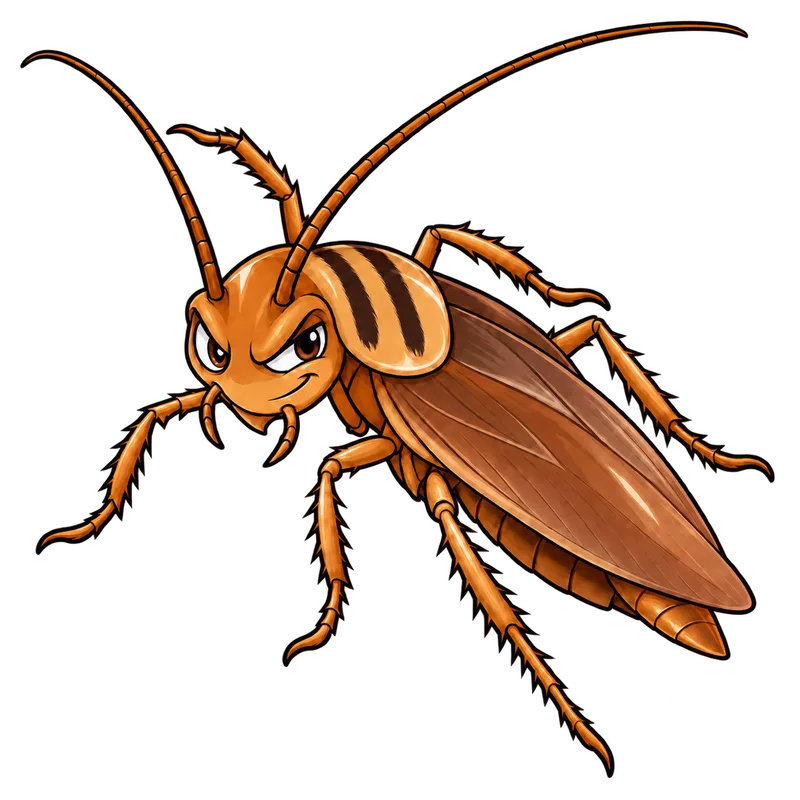
Before you buy a single product, you usually need to figure out which species has moved in, because a treatment that works for one will fail completely for another. If you are dealing with the German cockroach, you will usually find adults measuring about half an inch long, colored light brown to tan, with two dark parallel stripes running down the shield right behind the head. They love warm, humid spots near water, so you will usually concentrate your search in kitchen cabinet corners, sink voids, behind stoves, and inside the motor compartments of dishwashers and refrigerators.
If you live in a drier, warmer upper floor and notice roaches high up on walls, behind picture frames, or inside closets, you are usually looking at the Brownbanded cockroach. They measure about half an inch long, lack those two dark stripes on the head, and feature light transverse bands across their wings and abdomen. American cockroaches, by contrast, are massive, reddish-brown giants up to two inches long that usually wander up from basements, floor drains, or utility tunnels. Once you spot the physical traits and notice where they gather, you can set out small sticky glue traps along wall-floor junctions to track population density and pinpoint the main nesting areas.
What usually comes next
You have figured out who is living with you and where they like to hide, which means it is time to make a real plan instead of just guessing. Step away from the aerosol foggers on the grocery store shelf because those bug bombs cannot reach the tight wall cracks where most of the population actually lives. All those aerosol propellants do is force the surviving bugs deeper into the drywall and push them right through the gaps into your neighbor's apartment.
Skip the random spraying and look into slow-acting gel baits with ingredients like fipronil or hydramethylnon, squeezing tiny pea-sized drops right into the crevices near their favorite spots. These baits work because they take their time, giving the scouting adults a chance to eat the poison and carry it back to the main nest where the rest of the colony feeds on them. Pair this baiting routine with some basic home repairs by sealing up pipe penetrations and baseboard gaps with silicone caulk, and get rid of those stackable cardboard delivery boxes that give them free housing and food. If you share a building wall with other people, let your landlord or property manager know so they can line up treatments for the surrounding units at the exact same time.
When to get help
There comes a time when weekend store-bought fixes stop working and you need to call in professional exterminators or local housing authorities. If you start seeing live roaches crawling around your kitchen counters in the middle of the afternoon, that is usually a sign of a massive, overcrowded infestation that has nowhere else to go. When people in your home suddenly develop nighttime wheezing, stubborn coughs, or unexplained asthma flare-ups, those symptoms point to heavy airborne allergen loads that demand serious cleaning and pest removal.
If you are renting an apartment, local laws and your lease often restrict what kind of chemicals you can use, meaning shared building areas usually need a licensed pest control operator to handle them. When building management drags their feet on fixing the structural wall gaps and shared utility runs, your best move is calling the local health department or housing division to schedule an inspection and force a whole-building cleanup.