
Do palmetto bugs fly?
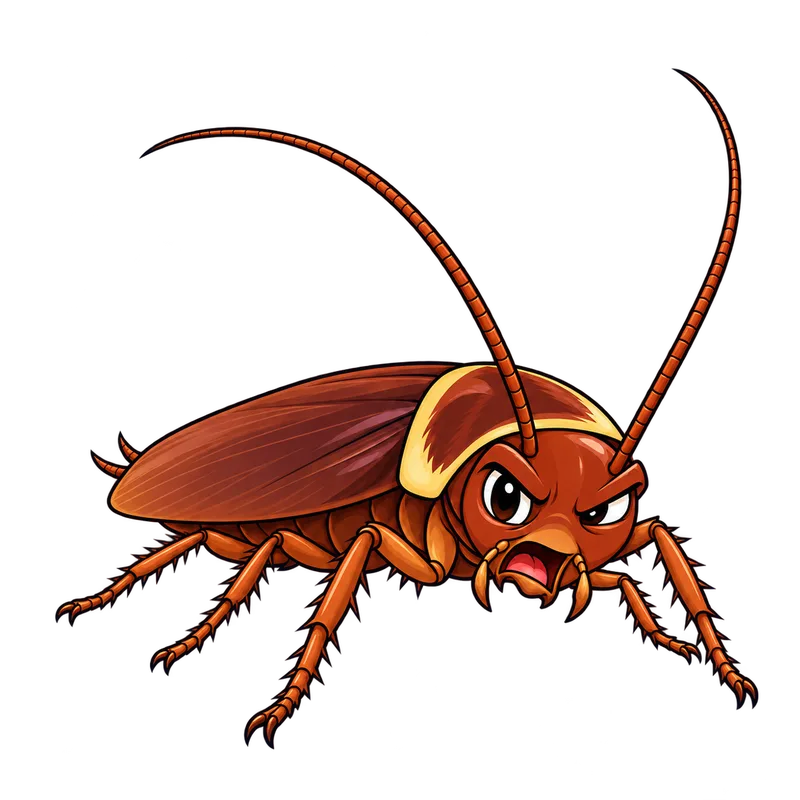
Yes, adult palmetto bugs can fly, though they usually manage only a clumsy, downward glide rather than soaring through the sky. Their ability to take to the air depends on their life stage and the temperature, meaning wingless nymphs cannot fly and chilly evenings will keep adults strictly on the ground.
What is actually going on
Picture this: you are sitting on the porch on a warm summer evening, reading a book or scrolling through your phone, when a large, glossy brown insect suddenly launches itself from the nearby tree, banks awkwardly through the humid air, and lands with a heavy, alarming thud right near your shoe. You jump, instantly wondering if you just witnessed a flying nightmare. So, do palmetto bugs actually fly? The short answer is yes, adult palmetto bugs can fly, or at least manage a clumsy, downward glide, though they certainly do not spend their days soaring through the sky like beetles or moths.
To understand why this happens, it helps to look at what these creatures actually are. In everyday language across the American South, the term palmetto bug is just a regional nickname for the American cockroach. Unlike those tiny, strictly indoor German roaches that mostly scurry across kitchen counters and rarely take to the air, adult palmetto bugs possess fully developed wings that stretch across their reddish-brown bodies. When the weather gets hot and sticky, these outdoor-dwelling adults become much more active, and they will use those wings to glide down from trees, exterior walls, or high perches, especially if they are drawn toward outdoor porch lights or open windows.
Why does it always feel like they are aiming right for you, though? They are not actually hunting you down out of malice. Their flight is notoriously clumsy and poorly steered, usually acting as an awkward downward descent toward a dark hiding spot or a bright light source. They spend most of their lives living outdoors in mulch beds, leaf piles, and sewer systems, but when summer heat spikes or heavy rains flood their hiding spots, they go looking for a new place to stay. If that new place happens to be your house, they are just as likely to scramble in through a gap in the door sweep as they are to flutter in through an open entryway.
If you are staring at a large insect on your baseboard and trying to figure out what you are dealing with, you usually have to look closely at its body and wing structure. Adult palmetto bugs grow quite large, often measuring around one and a half to two inches long, with a smooth, chestnut or dark reddish-brown shell. Their wings lie flat and broad across their back, extending past the tip of the abdomen. If you spot one sitting still, you are looking at an adult that possesses the anatomical equipment for flight, even if it prefers to rely on rapid running when it is indoors.
You also have to consider the life stage of the insect, because youth changes the rules entirely. Immature palmetto bugs, known as nymphs, are completely wingless and possess only small, unarticulated wing pads if they are close to adulthood. A wingless nymph cannot fly under any circumstances. If you find a smaller, dark, wedge-shaped crawling bug, it cannot take to the air. Furthermore, temperature plays a major role in their behavior. If the evening is cool or chilly, their flight muscles slow down dramatically, meaning they will strictly crawl rather than attempt any aerial acrobatics.
People often confuse these outdoor roaches with other household invaders, but their sheer size and wing formation give them away completely. If you are ever genuinely unsure what kind of insect you are staring at, especially if you happen to find only damaged body parts or tiny young ones, you usually need a ten-power magnifying glass or a proper identification by a local agricultural extension office to be entirely certain. Relying on a hurried glance in a dim hallway can easily trick you into mistaking a large outdoor roach for a harmless ground beetle or another casual visitor.
How to tell for sure
When you have confirmed that your uninvited guest is indeed a winged adult roach that managed to find its way inside, you face a straightforward choice. You can either treat the single indoor sighting as a random fluke caused by a muggy summer night, or you can address the structural gaps that let it cross your threshold in the first place. Because these insects breed outside in damp organic debris, thick mulch beds, and municipal drainage lines, simply swatting the one you see on the wall rarely fixes the underlying issue.
The smartest practical move you can make right now is to block their favorite entry routes. Check the water seal in your basement floor drains and utility sinks, because a dried-up U-bend trap turns your home plumbing straight into an open tunnel for sewer-dwelling roaches. Pair that upgrade with a heavy-duty door sweep on your exterior entryways and a close look at your porch lighting. Swapping out bright, ultraviolet-heavy white bulbs for warm yellow LED or sodium-vapor lamps on exterior doors stops acting like a neon invitation for night-flying insects, keeping them away from your doorway before they ever get the chance to glide toward it.
What usually comes next
There are moments when a simple weekend fix is no longer enough and you need to call in outside help. If you keep seeing adult or young palmetto bugs day after day despite maintaining a spotless home and sealing up your doorways, the problem is likely coming from a deep structural void, an unsealed crawl space, or a shared neighborhood drainage line that requires a licensed pest management professional to treat properly. Commercial buildings, apartment complexes, and properties with complex plumbing systems also call for professional oversight to handle large outdoor populations safely.
When to get help
Health considerations can also force your hand. The shed skins, droppings, and microscopic body fragments of these insects break down into household dust and become airborne, triggering severe allergic reactions and chronic asthma attacks, particularly in children. If you or someone in your home experiences persistent breathing trouble, wheezing, or allergy symptoms tied to indoor exposure, do not try to guess the cause or treat the reaction at home. Talk to a doctor, an allergy specialist, or your regional poison control center for proper medical guidance.