
How do you prevent cockroaches in a house?
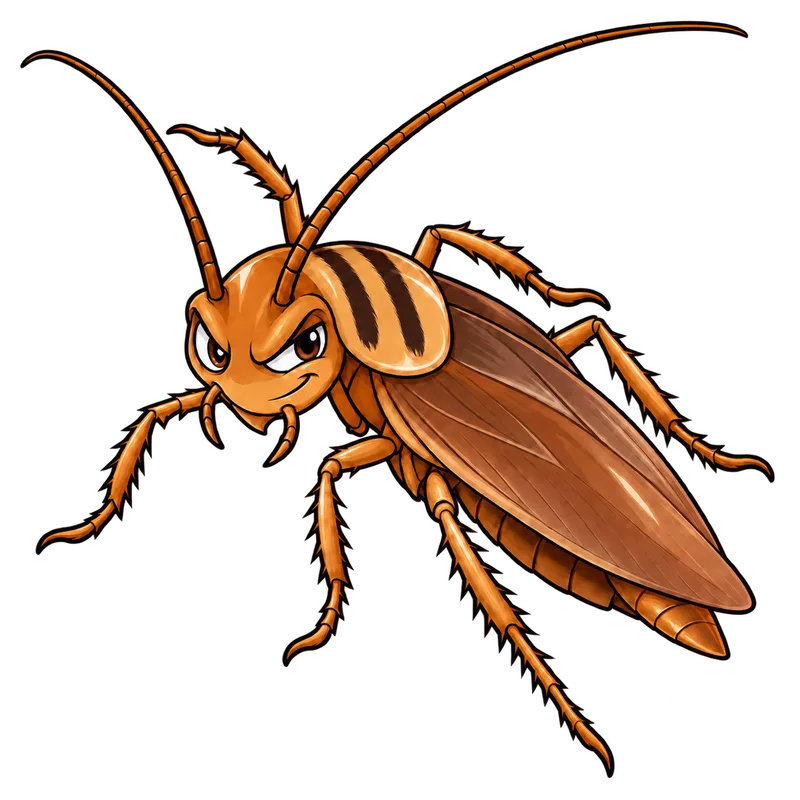
Preventing cockroaches in a house requires cutting off their access to water, food, and dark hiding places through strict sanitation, sealing entry points with caulk and copper mesh, and using gel baits correctly. Avoid total release foggers, because the spray only drives the insects deeper into your walls.
What is actually going on
You are standing in the kitchen late at night, flicking on the overhead light just in time to see a quick, flat shadow scramble beneath the refrigerator. You freeze, hoping it was just a stray beetle that wandered in through an open screen door. But then you notice the faint, musty smell near the baseboards, and you realize you have a much more stubborn guest settling in.
Preventing cockroaches in a house is not about spraying a toxic fog once a month and hoping for the best. It is about systematically making your home as hostile to them as a desert. Cockroaches do not appear because your kitchen is filthy, though messy counters certainly help roll out the red carpet. They arrive because your house offers three things they need to survive: tight, dark cracks to hide in, a steady supply of moisture, and easy meals. If you want to keep them out for good, you have to cut off those three lifelines through a mix of strict sanitation, physical exclusion, and targeted monitoring rather than broad chemical sprays that mostly just scatter the population into your bedroom walls.
The most common mistake people make is relying on total-release aerosol foggers, often called bug bombs. These devices fill the open air of a room with a synthetic spray, but the mist never reaches the deep, dark voids where cockroaches spend up to ninety percent of their lives. Instead, the chemicals irritate the insects, driving them out of the kitchen and into your closets or living room. Effective prevention means thinking like a cockroach, which usually means figuring out where they are sneaking in and sealing those pathways permanently.
How to tell for sure
Before you can stop these pests, you usually need to know what kind you are dealing with, because their habits vary wildly. If you live in a typical home, you are usually looking at one of a few common culprits. The German cockroach is small, measuring about half an inch long, and features two dark stripes right behind its head. They love warm, humid indoor spaces like kitchens and bathrooms, and the females carry their egg cases around until they are ready to hatch, which helps their populations explode faster than almost any other indoor species.
If you find pests in upper rooms, away from water sources, you might be dealing with the brown-banded cockroach. These prefer dry, warm areas above eighty degrees and often hide behind picture frames, clocks, and light switches, gluing their egg cases directly to furniture undersides. On the other hand, if you live in a damp basement or near floor drains, you might spot larger, darker insects like the Oriental or American cockroach. These prefer cool, wet sub-surface spaces and occasionally wander up through dry plumbing traps.
You also have to consider outdoor invaders that wander inside by accident. Turkestan, Asian, and Pennsylvania wood cockroaches live outdoors in mulch, woodpiles, or leaf litter. The males often fly toward porch lights at night and slip through open doors. They might scare you when they scuttle across the living room rug, but they usually cannot establish self-sustaining breeding populations indoors because the air inside your home is simply too dry for them.
What usually comes next
Once you figure out what you are dealing with and wipe up the stray crumbs, you still have to change the actual environment. German cockroaches can last for weeks without a single bite to eat, but they will perish in just a few days if you cut off their water. Fixing that slow drip under the sink and wiping up the moisture trap beneath the fridge will discourage them much faster than any hardware store spray.
As for blocking their entry points, grab a tube of silicone caulk and some copper mesh instead of an insecticide can. Seal up every gap around plumbing lines, baseboards, and wiring penetrations. If you decide to use gel baits, you have to place them where they will actually be eaten. Squeezing large globs of bait in plain sight on a counter is a waste of time, especially if the kitchen still has plenty of natural food scraps lying around. Picture it this way. If a diner serves a massive buffet right next to a lone plate of greens, you are heading straight for the buffet. If you scrub the kitchen first and get rid of competing food sources, that tiny dab of bait becomes their only real option.
Put out the bait in small, pea-sized drops right inside the dark crevices where the insects actually hide. Never spray standard household cleaners or surface sprays directly over your gel baits, because the chemical fumes ruin the food attractant and make the bait useless. If you use dry mineral powders like boric acid or silica aerogel in empty wall voids behind electrical covers, puff them in as an ultra-thin, invisible layer with a bulb duster. Piling white powder in thick, visible drifts along the baseboards does not help. The roaches will just walk around it instead of wading through it.
When to get help
There comes a point when you have to hand the keys over to a professional. If you live in an apartment building or a shared townhouse complex, treating just your own kitchen rarely solves the issue. These pests move easily through shared plumbing pipes, wiring channels, and wall spaces between neighbors. If the unit next door has a thriving population, everyone needs treatment at the same time, or the roaches will simply move right back through the drywall as soon as your local efforts wear off.
You also want to call in a licensed pest control operator for heavy infestations inside deep wall voids, stubborn German cockroach numbers that completely ignore baits, or situations that call for commercial-grade gear. If you notice signs of a heavy infestation triggering chronic asthma, allergic reactions, or skin flare-ups in your family, talk to a doctor right away, because cockroach proteins are powerful asthma triggers, especially for young children. When hiring a technician for shared buildings or businesses, verify that they follow local licensing rules, notice requirements, and safe reentry times.