
Cockroach egg case vs droppings: what are the visible differences?
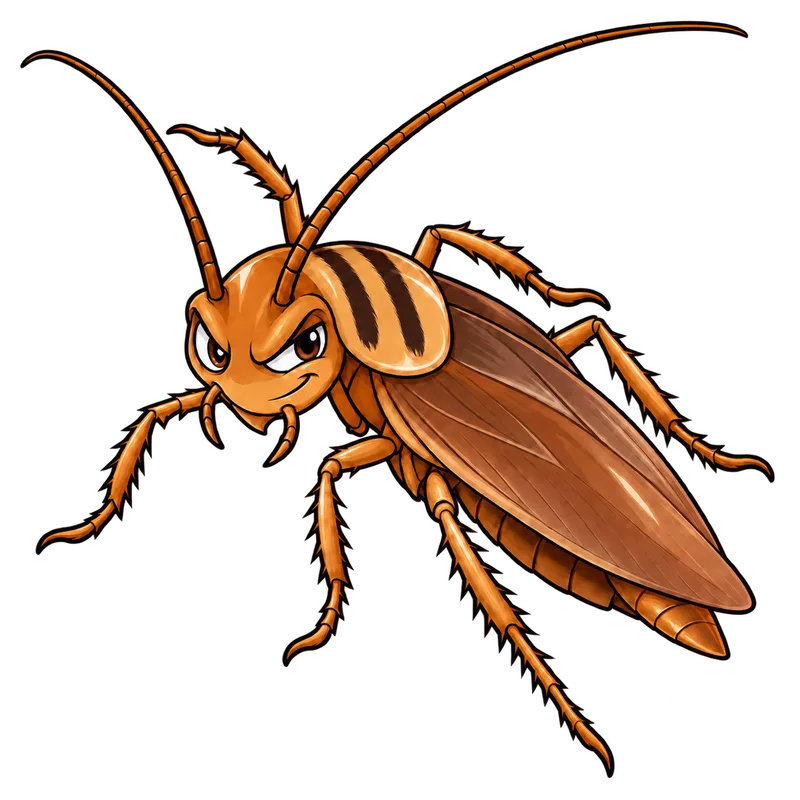
Cockroach egg cases are structured, three-dimensional brown or tan capsules measuring one-quarter to three-eighths of an inch with distinct ridges, while droppings are unstructured black specks resembling coarse pepper or cylindrical pellets. Egg cases shelter developing embryos or open when hatched, whereas droppings are metabolic waste left behind wherever roaches travel and congregate.
What is actually going on
You are standing in the kitchen, wiping down the counters after dinner, when you pull out the silverware drawer and notice a cluster of tiny black specks in the back corner. Or maybe you are cleaning behind the refrigerator and spot a small, rigid, brown capsule tucked into a crevice. It is easy to confuse the two if you have never had to look closely at them before, but they tell two very different stories about what is happening in your home.
Cockroach egg cases and droppings are distinct physical signs of an infestation, yet they represent entirely different stages of pest activity. Droppings are simply metabolic waste left behind as roaches feed, travel, and gather in dark spaces. An egg case is a sturdy, protective protein capsule that a female roach produces to shelter her developing embryos until they are ready to hatch.
People often assume that finding either one means an infestation is already well established, and usually, they are right. However, knowing the difference between a capsule full of future insects and the waste left by current ones helps you understand the scale of the problem. One shows that reproduction is actively happening in your space, while the other marks the high-traffic highways and hangout spots where roaches spend their time.
How to tell for sure
When you are trying to figure out what you are looking at, size and shape give the game away immediately. Cockroach egg cases are three-dimensional, structured capsules measuring anywhere from one-quarter inch to three-eighths of an inch in length. If you look at an egg case under a magnifying glass, you will usually see distinct transverse ridges along the sides that look like tiny accordion folds, along with a seam running down the top where the nymphs eventually emerge. They often resemble a tiny, ridged tan coin purse, a dried bean, or a small dark pill, depending on the species.
Cockroach droppings, on the other hand, are completely unstructured and lack any kind of internal compartments, ridges, or seams. For smaller indoor species like the German cockroach, droppings look precisely like someone spilled coarse black pepper or flicked fine dark ink onto the surface. In tighter harborage areas like drawer slides and cabinet hinges, these specks can accumulate into dark smudges or spots. Larger roaches, such as the American cockroach, leave behind larger, solid, cylindrical pellets that can sometimes trick you into thinking you have a mouse in the house.
Behavioral clues also help separate the two. A female German cockroach usually carries her egg case protruding from her abdomen until just hours before it hatches, meaning you are more likely to spot a dropped one only when it is empty or near the end of its incubation. Other species glue their egg cases to hidden, elevated surfaces like the undersides of shelves or behind picture frames. Droppings, however, are left wherever roaches congregate and travel, often accompanied by dark fluid smears that will smear if you wipe them with a damp cloth.
What usually comes next
Finding these clues means you need to stop guessing and start inspecting the surrounding area with a bright flashlight and a magnifying glass. Check the vertical zones from floor to ceiling, focusing on warm, dark cracks behind appliances, under sink plumbing, and around electrical junction boxes where roaches love to hide. If you find an egg case, look closely at the top seam. If it is plump and completely sealed, you are dealing with an active clutch that has not hatched yet. If it is lightweight, papery, and flared open at the top, the nymphs have already emerged and are likely hiding nearby.
Your next practical move is to map out the extent of the activity by placing sticky traps flush against wall baseboards and inside cabinet corners. This confirms where the insects are traveling without relying on guesswork. Avoid the temptation to grab a broom and sweep up dry droppings, as this scatters the waste and sends microscopic allergen particles into the air, which can trigger severe breathing trouble and asthma attacks. Instead, use a vacuum fitted with a fine particle filter to physically capture loose debris, and wash stained surfaces thoroughly with hot water and detergent to remove the chemical signals that draw more roaches to the same spots.
When to get help
While light cleaning and targeted baiting can handle minor issues, certain situations call for an outside expert. If you are spotting live cockroaches scurrying about during broad daylight, that is usually a sign of a heavy, overcrowded infestation that has outgrown simple household fixes. Multi-unit housing setups, such as apartments or townhomes, also require professional intervention because roaches travel easily along utility pipes and wall voids between neighboring units, making isolated treatments ineffective. Commercial settings like restaurants, schools, and healthcare facilities must rely on licensed pest management professionals to maintain compliance with local regulations and public health standards. If anyone in your home experiences persistent clinical asthma symptoms, unexplained skin rashes, or severe allergic reactions related to indoor allergen exposure, consult a qualified physician or urgent care service immediately.