
Palmetto bug vs American cockroach: is there a useful distinction?
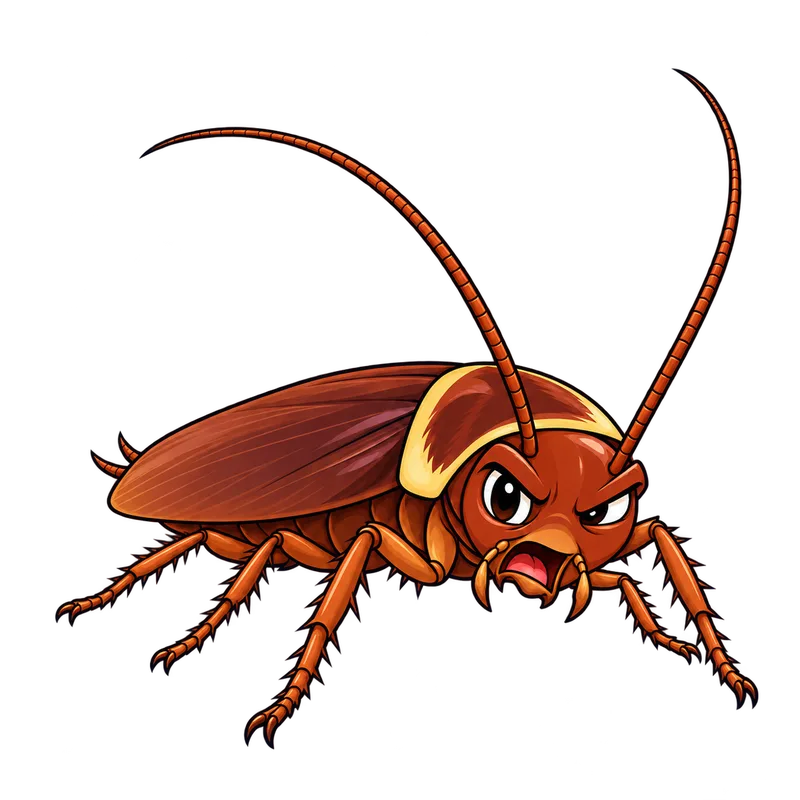
There is no useful entomological distinction between a palmetto bug and an American cockroach because the former is just a regional nickname for the latter used across the southeastern United States. The name simply softens the reality of encountering the 34 to 54 mm long reddish-chestnut brown insect, but the distinction matters because using a friendly local name can lead to ignoring a real infestation.
What is actually going on
Imagine stepping into your basement late at night, flicking on the light, and watching a massive, reddish-brown insect scuttle across the concrete floor and vanish behind the water heater. If you live in the South, someone is bound to tell you not to worry because it is just a palmetto bug. People prefer that name because it sounds breezy and outdoor-oriented, as though the creature belongs in a botanical garden rather than your hallway.
So, is there a useful distinction between a palmetto bug and an American cockroach? Entomologically speaking, no. Palmetto bug is simply a regional euphemism used across the southeastern United States to soften the reality of encountering a large, multi-legged intruder. Taxonomically, that creature is the American cockroach. Calling it a palmetto bug does not change its biology or its habits, but the nickname often lulls homeowners into a false sense of security.
The distinction matters because lumping every large insect under a friendly local name often leads to the wrong management choice. When an American cockroach wanders into your kitchen, it usually means there is an active breeding population nearby, perhaps harbored in a damp crawl space, a municipal sewer line, or an untrapped floor drain. Conversely, true woodland species like wood roaches sometimes wander indoors by accident, especially when males fly toward porch lights or hitch a ride on firewood, but they cannot survive long inside a dry home. Knowing what you are actually looking at prevents you from ignoring a real infestation or reaching for harsh chemicals when an incidental invader is already doomed.
How to tell for sure
Field identification comes down to looking closely at physical anatomy rather than relying on where you found the bug. The American cockroach usually measures anywhere from 34 to 54 mm long, making it the largest common structure-infesting roach in North America. It sports a reddish-chestnut brown color, and its pronotal shield, which is the protective plate right behind the head, features a distinct pale yellow or light margin framing a dark, bell-shaped pattern. Both adult males and females have fully developed wings that stretch past the tip of the abdomen, though they generally prefer a clumsy, downward glide over powered flight when startled.
Other large species often share the palmetto bug label in the South, which adds to the confusion. The smokybrown cockroach is a uniform dark mahogany or pitch black with no light border on its shield. The Australian cockroach looks similar to the American species but carries a striking bright yellow stripe along the outer margin of its front wings. Meanwhile, the Pennsylvania wood cockroach is much smaller, usually staying under an inch in length, with pale white or clear edges along its thorax and wings.
Looking at terminal cerci, which are the paired appendages at the very rear of the abdomen, under a modest ten-power hand lens usually separates the American cockroach from less common lookalikes like the brown cockroach. On an American cockroach, the final segment of that appendage is slender and measures twice as long as it is wide. Beyond physical traits, consider the environment. If you find dozens of large roaches emerging from a basement floor drain or a dark utility chase, you are dealing with peridomestic breeders. If you find a single small wood roach sitting on a pile of firewood brought in from the yard, it is usually just an incidental visitor.
What usually comes next
Deciding what to do next requires following a structured path rather than reacting out of panic. The most reliable approach is an integrated pest management framework, which starts with positive identification, moves to inspection, addresses exclusion and sanitation, and only applies targeted chemistry when necessary.
If you confirm an American cockroach presence, your first practical step is locating the moisture source and blocking their entry routes. These insects thrive in warm, high-moisture microhabitats, so check beneath sinks, around sump pump pits, and inside damp utility chases. Pour water down seldom-used floor drains to ensure the traps stay full, which stops them from using municipal plumbing lines as an indoor highway. Seal gaps around foundation cracks and utility penetrations with caulk or copper mesh, and install tight-fitting door sweeps.
Regarding treatment, skip total-release aerosol foggers completely. Those devices fail to penetrate the deep wall voids where roaches hide, and they create unnecessary chemical exposure on your living surfaces along with a genuine fire hazard near pilot lights. Instead, apply insecticidal baits or dusts strictly into hidden cracks and crevices where the insects actually rest. If you are using chemical products, remember that the product label is federal and state law, meaning every application must follow the manufacturer instructions to the letter.
When to get help
Certain situations outgrow DIY measures and require calling in a licensed pest control professional, an agency, or a medical clinician. If you spot cockroaches foraging in open daylight, it usually signals a high-density population that has outgrown its dark harborages, meaning the infestation is far larger than what you see at night. Persistent roach emergence from main sanitary drain lines or shared walls in a multi-unit apartment building also demands professional intervention, as coordination across multiple properties is necessary to cut off travel routes.
Health concerns can also elevate the situation quickly. Cockroach debris, including cast skins, saliva, and dried feces, releases potent airborne allergens that can trigger severe asthma attacks and chronic rhinitis, especially in children. Anyone experiencing severe respiratory distress, wheezing, or acute skin reactions needs to seek help from a qualified physician, an allergist, or an urgent care facility right away.
On the structural side, legal mandates apply in commercial facilities, food processing plants, and public schools, where pesticide applications are strictly regulated. Furthermore, if your pest investigation reveals bats roosting in your attic or wall voids near structural entry points, do not attempt to trap or harm them. Bats are protected by federal and state wildlife laws, and any exclusion work must follow strict state wildlife agency guidelines.