
What should you ask before combining cockroach bait and spray?
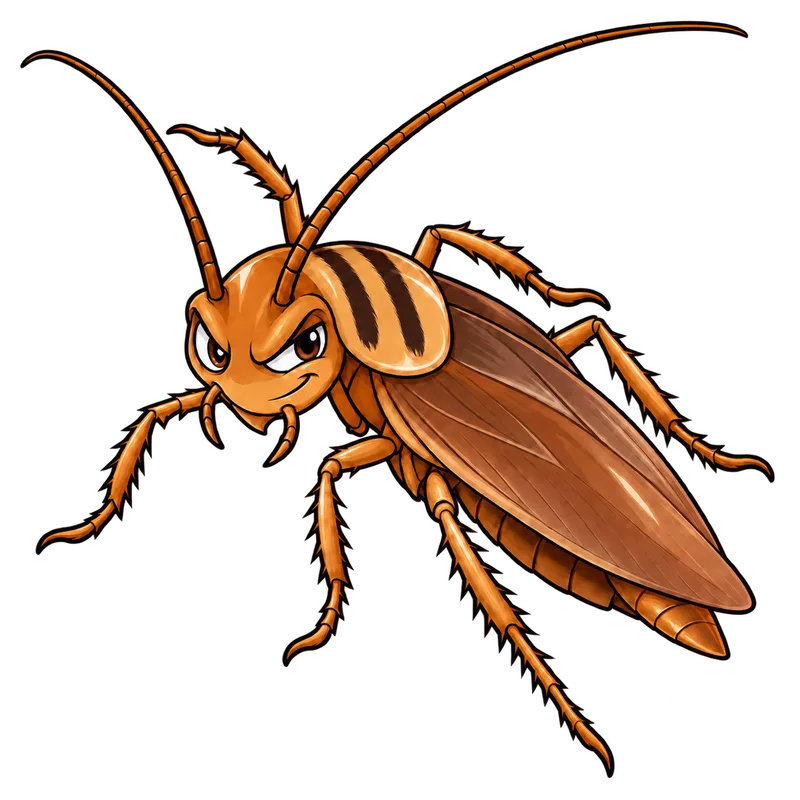
Before combining cockroach bait and spray, you must ask whether the liquid spray is a repellent synthetic pyrethroid that will contaminate the bait matrix or drive cockroaches away. Applying repellent sprays over or near baits neutralizes bait attractiveness and prevents the insects from feeding.
What is actually going on
Picturing the kitchen late at night helps set the scene. You flick on the light and watch a half-dozen small, light-brown roaches scatter across the counter. Frustrated, you grab a can of surface spray from under the sink and a tube of gel bait you bought online, figuring that doubling up on treatments will finish the job twice as fast. You start laying down dots of gel near the cabinets and immediately follow them up with a generous mist of spray to cover the whole area. It feels like a thorough, aggressive plan, but you have accidentally neutralized your own weapons.
Before combining cockroach bait and spray, you must ask whether the spray is a repellent synthetic pyrethroid or liquid formulation that will contaminate the palatable bait matrix or drive cockroaches away from treated bait placements, because applying repellent sprays over or near baits neutralizes bait attractiveness and prevents fatal feeding. Most over-the-counter and professional liquid residual sprays rely on synthetic pyrethroids. These active ingredients act as contact nerve toxins that possess inherent repellency. Cockroaches detect these chemicals or their organic carrier solvents and actively avoid crossing or touching treated surfaces.
When you apply a liquid or aerosol spray over or near gel baits, paste baits, or bait stations, the aerosolized droplets and volatile solvents coat the food matrix. This contamination ruins the olfactory and gustatory attractants designed to make the roaches want to eat the bait in the first place. Because toxicant baits must be ingested to function, repellent contamination causes complete bait rejection. Furthermore, baiting relies heavily on secondary transfer, which is the process where foraging adult roaches ingest the bait, return to their hidden harborage voids, and pass the active ingredient to hidden nymphs through waste consumption and cannibalism. Repellent sprays disperse roach aggregations, scatter individuals deeper into structural voids, and disrupt this crucial social feeding loop.
How to tell for sure
Correct species identification is usually the prerequisite for all cockroach control because harborage preferences and foraging behaviors vary dramatically across different types. German cockroaches usually measure about a half-inch long and feature two dark, parallel stripes right behind the head, preferring warm, humid indoor areas near water and food sources like kitchens and bathrooms. Brown-banded cockroaches are similar in size but display golden-brown coloring with light transverse bands across their wings and bodies, preferring warm, dry, elevated areas like ceilings, clocks, and electronics.
American cockroaches grow much larger, stretching from 1 to 2 inches long with a reddish-brown look, and they usually hang out in damp, dark basements, crawlspaces, and floor drains. Oriental cockroaches run glossy dark brown to black and tend to stay in cool, wet ground-level zones or outdoor mulch. A confident identification cannot always be made at home when telling adult Asian cockroaches apart from German cockroaches without watching how they fly outside, and sending a sample to a university extension entomologist or licensed specialist is usually needed for odd outdoor invaders hitching a ride in imported potted plants.
What usually comes next
Make your next move easier by checking the active ingredient on your spray can before you touch the bait. If the label shows synthetic pyrethroids like permethrin, deltamethrin, cyfluthrin, cypermethrin, or bifenthrin, keep that spray far away from any spot where you plan to set bait. Instead, save liquid sprays for exterior doors or subfloor spaces, and stick to gel baits put down in tiny, pea-sized dots along indoor travel paths and hiding corners.
If you want to use a liquid partner product safely, look for non-repellent chemical tools such as Insect Growth Regulators that work by stopping developing nymphs from breeding without setting off avoidance habits. Under federal and state laws, the pesticide product label is the governing legal document, and you must never apply sprays or baits in a way that goes against label instructions or causes off-label product contamination. Clean up grease, food crumbs, and standing water before you put out bait, because taking away competing food sources forces roaches to find and eat the gel, speeding up population collapse.
When to get help
Big structural infestations need expert attention when weekend DIY attempts fall flat. Call a licensed pest management professional or certified structural applicator when dealing with multi-unit building infestations, like an apartment complex where pests wander freely along shared plumbing chases and electrical conduits, making single-unit treatments useless.
You should also bring in a pro if roaches are nesting inside electrical appliances, microwaves, or circuit breaker boxes where liquid sprays bring short-circuit and fire hazards, or if local strains show genetic glucose aversion where taste receptors turn up their noses at standard sugar baits. For skin bites, skin marks, bad allergic reactions, or serious asthma trouble triggered by cockroach allergens, get yourself or anyone else affected straight to a licensed clinician, urgent care facility, or regional poison control center.