
Why do Florida homeowners call some cockroaches palmetto bugs?
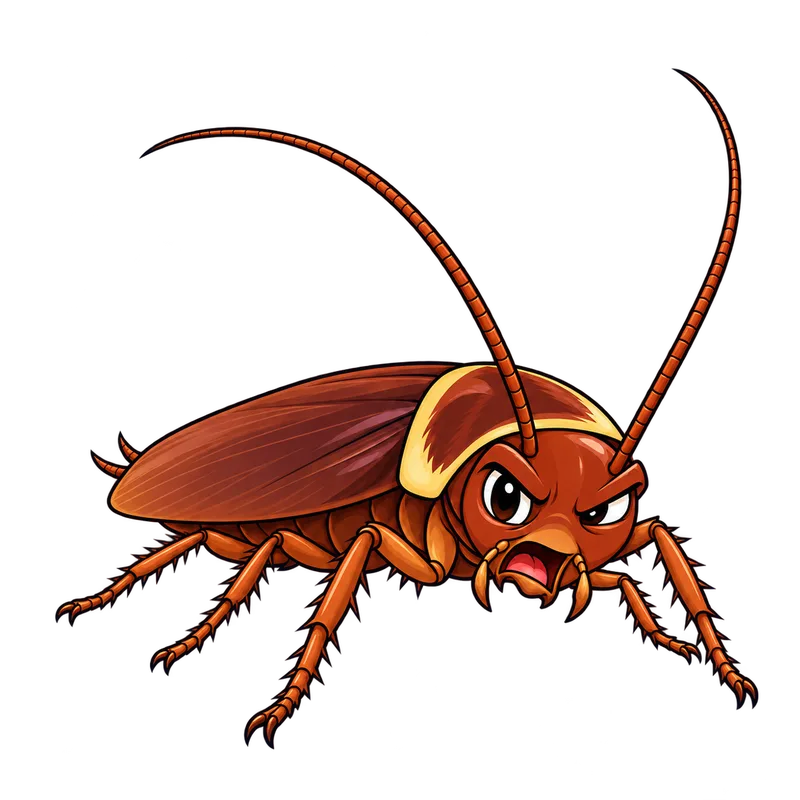
Florida homeowners call some cockroaches palmetto bugs because it is a polite regional nickname that avoids the social stigma of admitting to a giant insect in the house. The term is an umbrella label for large outdoor species like the two inch American cockroach that thrive in subtropical leaf litter and palm trees.
What is actually going on
Picture stepping out onto the back porch in Orlando on a muggy July evening, reaching for the garden hose, and watching a two-inch reddish-brown insect launch itself from a nearby cabbage palm straight toward the patio light. If you live in Florida, you probably call that creature a palmetto bug. But if you were to hand it to an entomologist, they would tell you it is an American cockroach.
The name palmetto bug is simply a polite regional nickname. People in the American Southeast prefer it because calling a giant insect by its actual zoological classification carries a social stigma most homeowners would rather avoid. It sounds much friendlier to blame a native palm tree for dropping an unwanted guest than to admit you have a massive cockroach sitting on your baseboard.
Scientifically speaking, the term does not point to a single bug. It is an umbrella label for several large, outdoor-dwelling cockroach species that naturally thrive in subtropical leaf litter, storm drains, and the crown of saw palmettos. Along with the American cockroach, the glossy black Florida woods cockroach and the mahogany smokybrown cockroach frequently share the title. These insects spend most of their lives outdoors feeding on decaying organic matter. When heavy summer rains flood their natural harborages or extreme heat dries them out, they wander indoors looking for moisture and shelter.
How to tell for sure
Telling these outdoor wanderers apart from true indoor pests usually comes down to size and history. A full-grown palmetto bug is enormous, measuring anywhere from an inch and a quarter to two inches long. If you find a tiny, half-inch roach scuttling behind your kitchen toaster, you are likely looking at a German cockroach, which is a strictly indoor domestic pest that breeds inside wall voids.
If you manage to catch a close look at the adult insect, check the shield right behind its head, which entomologists call the pronotum. An American cockroach usually displays a faint yellowish ring around that shield. A smokybrown cockroach has a solid dark mahogany shield without any pale borders. The Florida woods cockroach usually looks like a heavy, wingless, dark brown tank and will often release a distinctly foul odor if you disturb it.
You should also expect these outdoor visitors to pop up in places you might not anticipate. They are usually solitary hitchhikers rather than the vanguard of an army. If you spot one lone giant on your laundry room floor after a torrential downpour, it usually means the creature washed up through a drain or slipped under a poorly sealed door to escape the rising water outside.
What usually comes next
When a palmetto bug startles you by gliding across the living room wall, your first instinct is often to reach for an aerosol fogger or spray down every baseboard in the house. That reaction is usually a mistake. Because these insects breed outdoors in mulch beds, leaf piles, and palm fronds, spraying the inside of your living room does little to stop more of them from wandering over from the yard.
Instead of treating the interior like a battlefield, your best practical move is to focus on exclusion and moisture control. Walk around the perimeter of your house and check the weather stripping on your doors, especially the garage entry. Seal up any gaps wider than an eighth of an inch around utility pipes and foundation cracks using silicone caulk or copper mesh.
Take a close look at your landscaping habits as well. Pulling organic wood mulch and pine straw at least a foot or more away from your exterior walls removes the damp, dark microclimate where these roaches love to congregate. Fixing a leaky outdoor spigot or clearing clogged roof gutters will do more to discourage visits than any indoor pesticide treatment ever could.
When to get help
While a stray palmetto bug is usually just an annoying reminder of where you live, certain signs demand a shift in strategy. If you regularly spot multiple immatures or adults inside your living spaces, or if you notice a persistent, musty odor in your crawl space or attic, you might have an established harborage tucked away in a structural void.
You should also remember that large cockroaches are more than just a nuisance. They mechanically carry bacterial pathogens like Salmonella on their bodies, and their cast skins and droppings release potent allergens that can trigger severe asthma attacks, particularly in children. If family members begin experiencing unexplained respiratory issues, wheezing, or skin reactions, consult a healthcare clinician right away.
When these outdoor invaders stop being occasional accidental guests and start establishing ongoing breeding sites inside your walls, call a licensed structural pest control operator. They can design a targeted management plan that addresses the actual outdoor sources without turning your home into a chemical fog.