
How should a South African homeowner identify a cockroach before treatment?
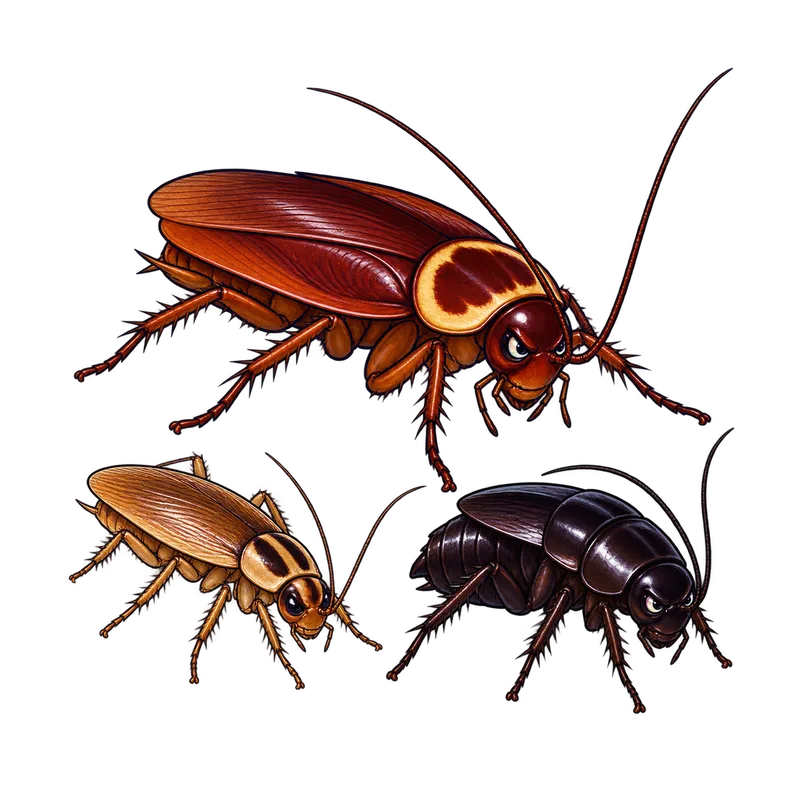
A South African homeowner should identify a cockroach by looking closely at its size, color, and specific markings with a bright flashlight. For example, the common German cockroach measures about 11 to 16 mm long, is tan to light brown, and features two dark, parallel lines running down the shield behind the head.
What is actually going on
Picture walking into the kitchen late at night, flicking on the light, and watching a dark shape streak across the counter and vanish into the gap beside the dishwasher. Grabbing a can of spray from the grocery store shelf feels like the obvious next move, but that reflex usually results in wasted money and a growing insect population. Treating a pest without knowing which species has moved in is like trying to fix a car engine by throwing wrenches at it. Different household intruders require completely different strategies because they live in entirely separate parts of the house, eat different things, and react in opposite ways to standard controls.
Before reaching for any treatment, the very first step is figuring out what is actually crawling around the skirting boards or hiding behind the pantry door. Domestic cockroaches are not interchangeable pests. Treating a warm, dry bedroom infestation with a wet kitchen bait will not work because the insects have different habits. Local critters such as garden crickets or ground beetles also tend to wander indoors, and treating them like household roaches means using the wrong tools entirely.
How to tell for sure
Telling them apart starts with a close look at size, color, and markings, usually with the help of a bright flashlight and a steady hand. The most common indoor invader, the German cockroach, usually measures about 11 to 16 mm long, which is roughly the size of an adult fingernail. They are tan to light brown and feature two dark, parallel lines running down the shield right behind the head, looking like two pencil lines drawn on a tiny helmet. Females of this species carry their egg cases right on the end of their abdomens until just a day or two before the eggs hatch, which is a dead giveaway.
The Brown-banded cockroach is of a similar small size but prefers warm, dry, high-elevation zones like living rooms, bedrooms, and the inside of electronic appliances, rather than damp kitchen sinks. Instead of parallel stripes, adults show a solid dark center on the shield and two pale bands across the wings and body, and they might glue an egg case that looks like a small dried apple seed into the corner of a picture frame.
Larger species are harder to miss. The American cockroach grows up to 54 mm long, about the size of an adult thumb, with a reddish-brown body and a pale yellow margin around that front shield. Oriental cockroaches sit in the middle of that size range at 25 to 32 mm, appearing dark brown to glossy black, and usually hang around damp basements and floor drains. In South Africa, homeowners also frequently spot native outdoor creatures like king crickets, known locally as Parktown prawns, or armoured bush crickets. Those large, heavy-bodied jumpers have powerful hind legs for leaping and live outside in garden soil rather than nesting in kitchen voids, unlike true cockroaches that run flat and low to the ground like tiny armored cars.
What usually comes next
Once the insect is positively identified, the practical decision is to stop spraying broad liquid chemicals across open surfaces and switch to targeted physical management. Total-release aerosol foggers, often called bug bombs, are notoriously ineffective. They fill a room like smoke, settling on countertops and floors while missing the deep wall cracks where the insects actually live, and they often just scatter the colony into neighboring rooms.
Instead of general spraying, start by clearing out the actual harborages. Grab a vacuum cleaner fitted with a proper filter to physically remove live insects, cast skins, and egg cases without blowing microscopic allergens into the air. Dry sweeping is a bad idea because it launches fine protein dust and droppings into the room where family members can breathe them in. Seal up gaps along baseboards and around plumbing pipes with silicone caulk, and fix any leaking taps to take away the moisture they need to survive. When chemical controls are genuinely necessary, small amounts of gel bait placed directly inside cracks and crevices near nesting sites work far better than surface sprays.
When to get help
Some situations go beyond what a weekend DIY approach can handle safely. If the infestation has spread across multiple rooms, or if cockroaches are wandering around openly in broad daylight, the population is likely too large for simple traps. In multi-unit buildings like apartment blocks, insects travel freely through shared wall voids and utility chases, meaning individual treatments in one flat will never solve the underlying problem.
Electric appliances and circuit breaker boxes also require professional attention. Spraying liquid insecticides near internal electronics creates a serious risk of short circuits and electrical shock, so licensed pest control operators must be brought in to use non-conductive baits or dry dust formulations. Anyone dealing with persistent breathing difficulties or allergy symptoms triggered by indoor pests should also consult a clinician, as chronic exposure to cockroach proteins is a well-documented asthma trigger.