
What is a palmetto bug in Florida homes?
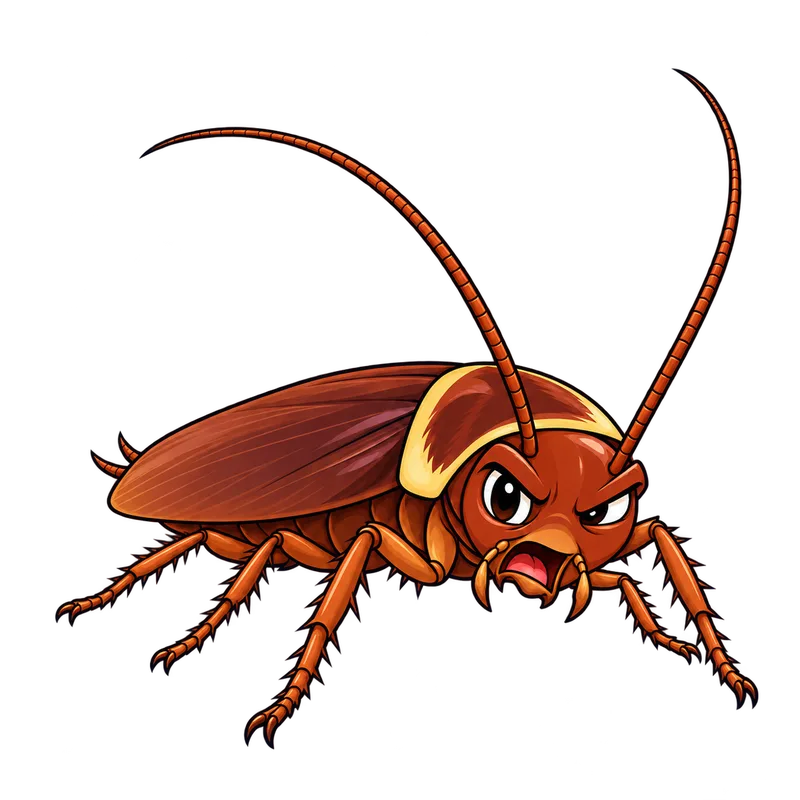
A palmetto bug in Florida homes is a regional nickname for a massive, reddish-brown insect known scientifically as the American cockroach. This large outdoor scavenger typically measures one and a half to two inches in length and enters houses opportunistically during severe weather or dry spells.
What is actually going on
Picture walking into your Florida guest bathroom late at night, flicking on the light, and spotting a massive, reddish-brown insect sprinting across the tile toward the baseboard. Your first instinct is probably to wonder how a beetle that size managed to wander inside. When you mention it to a neighbor the next morning, they nod and tell you not to worry about it, because it is just a palmetto bug.
To answer what is actually going on, that creature is most likely an American cockroach. In Florida and the wider American South, palmetto bug is simply a regional nickname rather than a formal biological species name. Entomologists classify these large insects as peridomestic pests. Unlike domestic indoor pests that spend their entire life cycle breeding inside kitchen cabinets and wall voids, these outdoor-dwelling scavengers maintain robust breeding populations in palm fronds, mulch beds, tree hollows, and municipal sewer networks.
They do not live to infest your pantry. Instead, they enter homes opportunistically when outdoor climate conditions turn hostile. A sudden afternoon flood can saturate their outdoor soil harborages, forcing them upward and inward. Alternatively, a dry, scorching spell drives them toward domestic water sources. They are basically outdoor neighbors crashing on your ground floor during bad weather, rather than permanent roommates settling in for the long haul.
How to tell for sure
Telling a palmetto bug apart from other indoor pests usually comes down to size, color, and where you find it. An adult American cockroach is remarkably large, often measuring around one and a half to two inches in length, and sports a reddish-brown color with a lighter, yellowish marking behind its head. If you spot a tiny, pale brown roach scurrying near your stove, you are likely dealing with a German cockroach instead, which is a strictly indoor pest that hitches rides in grocery bags and boxes.
You might also hear people call these large insects water bugs, but that name causes a bit of botanical and zoological confusion. True water bugs are actually aquatic insects that swim in ponds and streams, whereas cockroaches are terrestrial scavengers. People call them water bugs because they exhibit strong hydrotaxis, meaning they are magnetically drawn to high-humidity microhabitats.
That hydrotaxis explains why you usually encounter them near plumbing chases, laundry rooms, or crawling out of drains. If your allergy test ever comes back positive for a cockroach allergy even though you never see roaches indoors, a medical plot twist might be at play. Cockroaches share identical muscle proteins, like tropomyosin, with shellfish and house dust mites. A basic skin prick test often picks up that shared protein, meaning your immune system might actually just be reacting to a past shrimp dinner or dust mites rather than a house full of insects.
What usually comes next
When you spot one of these large invaders scuttling across the floor, your first thought is probably to grab a can of bug spray or a total-release fogger. Total-release aerosol foggers usually fail to solve the root cause, however, because the mist rarely penetrates deep into the wall voids or outdoor mulch beds where the insects actually live. Furthermore, those foggers coat exposed kitchen surfaces with chemical residues while leaving the exterior entry points wide open.
A better approach focuses on structural exclusion and moisture management rather than heavy indoor chemical applications. Start by inspecting your plumbing. If a guest bathroom goes unused for weeks, the water in the curved pipe beneath the drain evaporates, removing the liquid barrier that normally blocks sewer gases and crawling pests. Pouring a couple of liters of water down seldom-used floor drains bi-weekly keeps that P-trap filled and shuts down an underground highway.
Outside, you can modify the landscape to make your home less inviting. Pull organic leaf mulch and wood chips at least two feet away from your exterior walls, and establish an inorganic border using crushed stone or gravel directly against the foundation. Prune tree limbs and palm fronds so they maintain a three-foot clearance from your roof. Finally, consider your porch lighting. Bright white lights act like a beacon drawing flying insects right to your door frame, so swapping to yellow bug lights or warm-white LEDs helps dim the runway.
When to get help
While an occasional outdoor roach wandering through a gap in the weather stripping is a minor nuisance, certain situations require stepping back and calling in reinforcements. If you repeatedly spot immature nymphs or egg cases indoors, or if you regularly see these insects during broad daylight, you likely have an established population rather than casual wanderers. In those cases, a licensed pest control operator should be brought in to assess the perimeter and handle professional treatments.
Pesticide handling carries real exposure risks that demand respect. Over ninety percent of human pesticide exposure during spraying occurs through the skin. If you or a professional apply any perimeter treatment, federal law requires strict adherence to the product label instructions. Handling concentrated formulations requires proper personal protective equipment, including chemical-resistant nitrile or neoprene gloves, eye protection, and appropriate respirators when specified by the label.
Health considerations also matter, particularly for households with sensitive occupants. Cockroach allergens shed in body fragments and frass can trigger acute asthma attacks and chronic allergic rhinitis. If household members experience persistent wheezing, breathing difficulties, or severe respiratory symptoms, consult a board-certified allergist or clinician immediately rather than attempting self-diagnosis or managing the issue alone.