
Why might roach bait fail when food and water remain available?
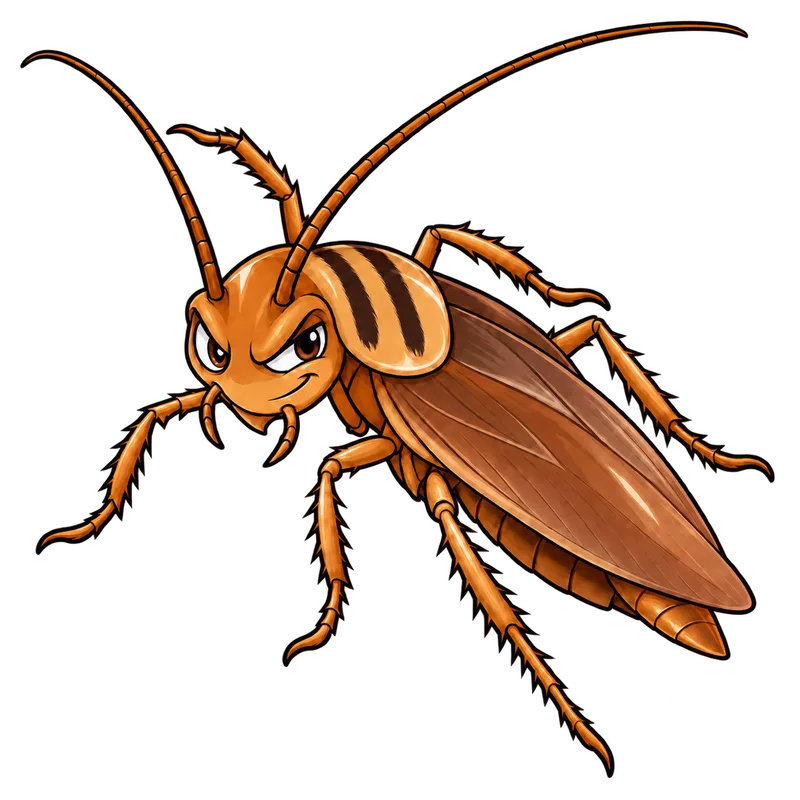
Roach bait might fail when food and water remain available because cockroaches will choose accessible leftovers, grease splatters, or standing water over the bait every single time. The outcome depends on whether the insects find nearby open-air food sources or free-standing moisture, as well as whether high humidity ruins the gel.
What is actually going on
Picture coming home after a long week, turning on the kitchen light, and watching a couple of medium-sized brown bugs scurry from the toaster to the baseboard. You pull out a tube of gel bait you bought online, squeeze a few thick lines near the sink, and wait for the problem to vanish. A week later, the roaches are still there, practically throwing parties around your supposed trap. It feels like the poison is completely broken, but the problem is usually a mismatch between what the insect wants and what you have provided.
When a kitchen offers an open-air buffet of grease splatters behind the stove, unwashed cookware in the sink, and crumbs beneath the refrigerator, your fancy bait loses its competitive edge. Cockroaches are omnivorous opportunists, and they do not operate on a strict meal schedule. If local fats and carbohydrates are sitting right out in the open, a foraging roach will choose those familiar leftovers over a carbohydrate-heavy gel matrix every single time. It is much like standing in front of a hot, greasy diner breakfast while someone offers you a bland fiber cracker.
Water availability creates a similar hurdle. German cockroaches require regular access to moisture, and without it, they will perish within days. If you have slow plumbing leaks, standing water in sink traps, appliance drip pans, or even a dog bowl left full overnight, the pests can easily satisfy their hydration needs. When free-standing water is abundant, water-rich gel baits lose their unique pulling power. Worse yet, high ambient humidity or leaking moisture can cause gel placements to absorb water, run down walls, or grow mold. Once a bait turns moldy or watery, cockroaches will reject it entirely.
Beyond food and water competition, the way the bait is applied often works against you. Cockroaches are thigmotactic, meaning they possess a strong biological preference to keep their bodies pressed against solid surfaces. They travel strictly along structural edges, wall-floor junctions, and cabinet corners rather than strolling casually across the middle of an open floor. If you apply bait even a few inches away from these hidden travel routes, the insects simply will not encounter it during their nocturnal travels.
Chemical contamination is another hidden trap. If you co-apply a liquid synthetic pyrethroid spray or an aerosol fogger near your gel placements, the repellent residue will coat the area and cause total bait avoidance. The roaches smell the chemical barrier and refuse to cross it. On top of these environmental factors, genetic resistance can play a role. Certain populations have developed glucose aversion, a heritable trait where their taste neurons interpret glucose as bitter rather than sweet, leading to instant bait rejection. If your local population carries this trait or has built up physiological resistance from past chemical exposures, standard baits will stall out completely.
How to tell for sure
Figuring out why the bait is not working usually begins with a careful look around the room and at the bugs themselves. If you spot roaches eating greasy kitchen grime or trash while walking right past your gel dots, competing food is almost always the issue. Take a good look at those bait spots a few days after you put them down, and check if the gel has dried into a hard crust from the heat or turned runny and moldy from dampness. Both extremes mean the bugs will not touch it.
Knowing what kind of roach you have is just as important, because the wrong bait in the wrong spot is a recipe for failure. The German cockroach is the usual indoor suspect, growing to about half an inch long with two dark lines right behind its head, and you will find them hiding in warm, damp spots near appliances and pipes. On the other hand, if you notice Brown-banded cockroaches with light stripes across their wings and no lines on their backs, they like dry, high places such as upper shelves, picture frames, and ceilings. They care less about standard kitchen crumbs and need bait placed much higher up on the walls.
Roaches wandering in from outside complicate things even more. Pests like Asian or Turkestan cockroaches often crawl inside from mulch, yard debris, or damp window wells. Since they are breeding outside your foundation walls, indoor gel bait is not going to solve the issue. You can usually tell them apart by their habits, like flying toward outdoor porch lights or stumbling into the garage and dying on their backs without setting up house in your kitchen.
What usually comes next
Fixing a failed baiting setup means stepping back and rethinking your strategy from the ground up. Clear away that competing feast first. Scrub every bit of grease from the stove and range hood, sweep the floor every day, put all open pantry items into sealed plastic containers, and empty the trash every single night. Dry up any leaky pipes under the sink, wipe down the counters before you go to sleep, and pick up the pet food bowl overnight.
Once the room is actually clean, change the way you put out the product. Instead of squeezing out large, thick dollops or long lines, use lots of tiny, pea-sized drops. Big blobs tend to crust over on the outside while staying wet inside, which wastes the product and makes it dry out too fast. Put these small dots right against the corners where the floor meets the wall, inside cabinet hinges, and around plumbing pipes where roaches like to walk. Never use household sprays, all-purpose cleaners, or aerosol bug bombs anywhere near your bait placements. If you suspect the bugs are dodging sweet baits or notice they are ignoring a particular brand after you have cleaned up, switch to a different active ingredient or try a protein-based formula.
When to get help
There are times when a do-it-yourself approach hits a wall and calling in a professional is the smartest move. If you see roaches crawling around in plain sight during the day, it usually points to a massive population where the hiding spots are completely packed, pushing the bugs out into the open. Apartment buildings and townhomes also make things tricky, because roaches easily crawl through shared walls, plumbing pipes, and electrical lines from next door, making single-unit treatments pointless.
Heavy infestations bring real health worries that demand your attention. Roaches leave behind shed skins, droppings, and saliva that carry strong allergens capable of triggering asthma attacks, breathing trouble, and skin irritation, particularly in kids. They can also spread bacteria across your food prep surfaces. If anyone in your home suffers from serious breathing trouble, strong allergic reactions, or accidental chemical exposure, get in touch with a doctor, an urgent care clinic, or poison control right away. For heavy infestations in shared housing or commercial spaces, call a licensed pest control operator who can handle whole-building treatments, deal with chemical resistance safely, and follow local rules.