
How do you inspect a refrigerator area for German cockroaches?
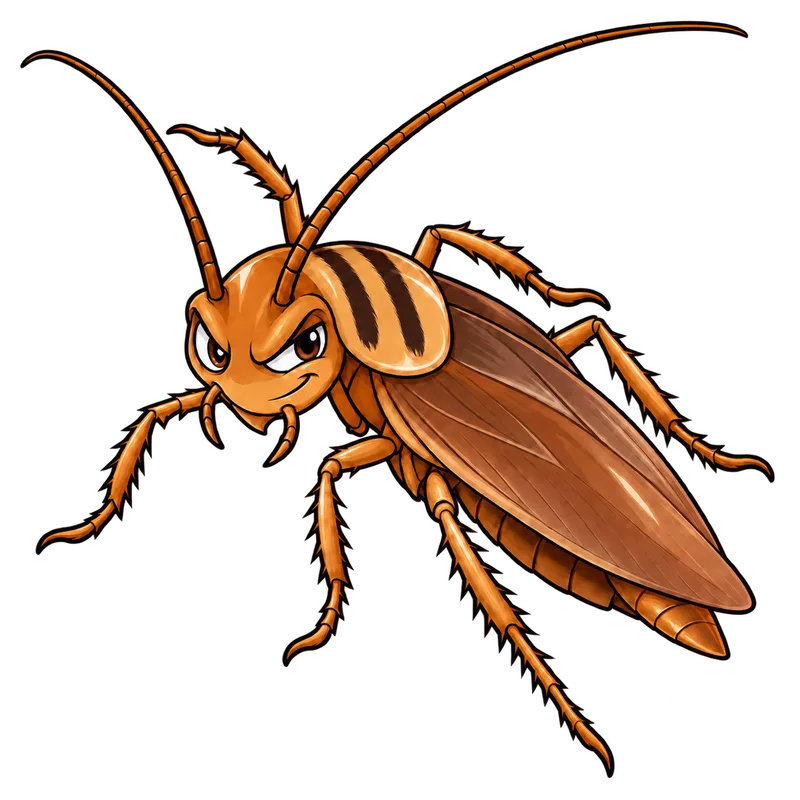
Inspecting a refrigerator area for German cockroaches requires a systematic examination of the warm, dark, and damp spots right around the appliance. You need to look behind the rear motor housing, inside the folds of the magnetic door gaskets, and around the leveling legs beneath the front kick panel.
What is actually going on
You are standing in the kitchen, peering behind the fridge because you noticed a small, pale-brown insect scurry away when you dropped a piece of ice. You pull out a flashlight, drop to your knees, and wonder how a simple kitchen appliance turned into a five-star resort for unwelcome guests.
Inspecting a refrigerator area for German cockroaches requires a systematic, multi-step examination of the warm, dark, and damp spots right around the appliance. A modern refrigerator is basically an indoor ecosystem built to order for these pests. The compressor motor and condenser coils vent a steady, comfortable warmth, while the automatic defrost system sends melted frost straight into an evaporator drip tray right above the motor. Add a steady supply of grease film, stray crumbs, and organic dust drifting down from the kitchen, and you have warmth, moisture, and food gathered in one tight footprint.
German cockroaches prefer tight spaces where their bodies can touch surrounding surfaces on top and bottom at the same time. This behavior drives them straight into tiny gaps. Instead of wandering out in the open, they squeeze behind the rear motor housing, tuck themselves into the accordion folds of the magnetic door gaskets, and cluster around the leveling legs beneath the front kick panel.
How to tell for sure
Before you start poking around, you need to know what you are looking at. Adult German cockroaches usually measure between one-half and five-eighths of an inch long. They are light brown or tan, and they usually feature two dark, parallel longitudinal stripes running down the shield-like segment right behind the head. While they do have wings, they usually do not fly.
If you spot a female, she might be carrying a light-tan, bean-shaped egg case protruding from her abdomen. Unlike other species that drop their eggs right away, the German cockroach usually carries this capsule containing dozens of eggs until just hours before the nymphs hatch.
You should also look for secondary clues that confirm an active hideout. Check for fecal spotting, which looks like tiny smatterings of dark brown or black ink dots or coarse black pepper clustered near motor vents or baseboards. These spots are packed with chemical signals of safety to other roaches. You might also find cast skins left behind as nymphs grow, or catch a distinct, musty odor if the population has grown large.
What usually comes next
Once you finish your visual check, you have to decide how to map and measure the activity without scattering the population into the rest of your kitchen. The most reliable next step is deploying dated adhesive sticky monitors, which most people just call glue boards.
You want to slide these cardboard traps flat against the wall and floor junctions right behind or beneath the refrigerator. Make sure the trap openings sit square against the edge of the wall because roaches usually scurry along structural boundaries instead of crossing open floor spaces. Leaving a trap in the middle of a clean kitchen floor will not catch anything, which might trick you into thinking the problem is solved when it is actually getting worse. Leave the monitors in place for a couple of days to check what is crawling around, confirm the species, and locate the main hiding spots before you decide on a treatment plan.
If you need to clean up live insects, shed skins, and loose egg cases, use a vacuum cleaner equipped with a high-efficiency particulate air filter. Standard vacuums just blow fine allergen dust and tiny particles right back out into the room air, which can trigger severe asthma and allergic reactions.
When to get help
There are times when a check and basic cleanup are simply not enough, and you need to bring in outside support. If you live in an apartment building, a condominium, or any multi-unit dwelling, finding German cockroaches behind your fridge usually means they are traveling along shared plumbing lines, electrical conduits, and wall voids from a neighboring kitchen. In those cases, treating just your own appliance will not stop the broader migration, and building management or a professional pest control operator needs to step in.
You should also hand the job over to a licensed professional if the infestation keeps growing despite correct monitoring, or if deployed gel baits remain entirely untouched due to behavioral resistance. Commercial kitchens, daycares, schools, and healthcare facilities always require certified applicators to handle pest management according to strict local regulations.
Finally, if building occupants experience acute asthma attacks, persistent bronchial distress, or severe allergic reactions related to indoor allergens, consult a qualified clinician or medical specialist right away. Keep in mind that pesticide applications must always follow product container labels down to the letter, and total-release aerosol foggers should be avoided entirely because they tend to scatter roaches deeper into wall voids rather than solving the problem.