
What does a baby Oriental cockroach look like?
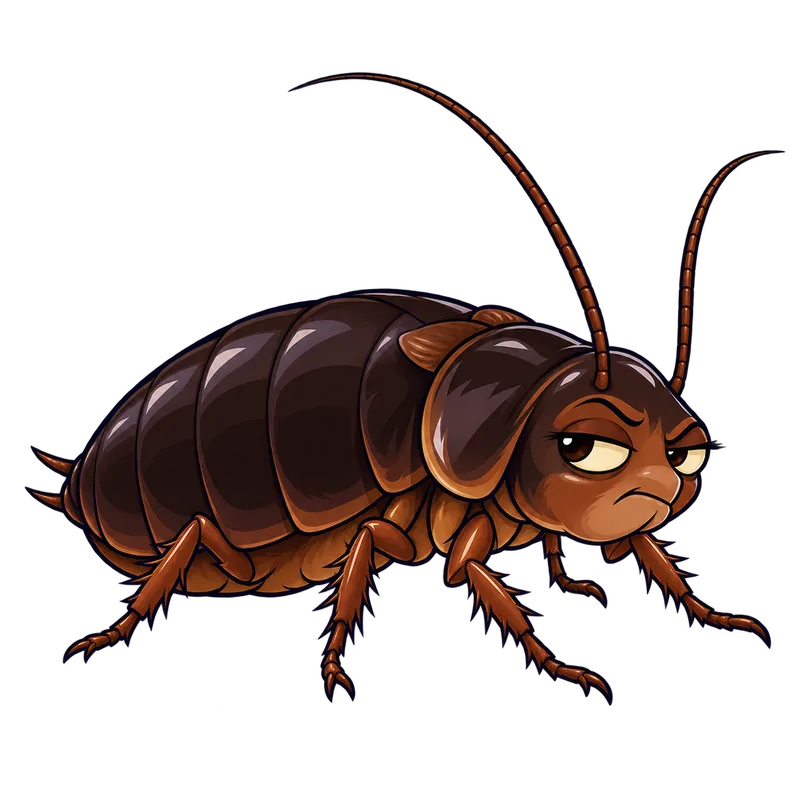
A baby Oriental cockroach looks like a tiny, flattened, oval-shaped pod that is dark reddish-brown to glossy black in color. These wingless nymphs are about the size of a grain of rice or an apple seed when they first hatch.
What is actually going on
Picture walking down into the basement late at night to switch on the laundry light, and catching a glimpse of a small, dark, shiny insect scurrying near the floor drain. If you wonder whether you are looking at a stray beetle or something worse, you are dealing with a classic basement visitor. A baby Oriental cockroach, properly called a nymph, looks like a tiny, flattened, oval-shaped pod ranging in color from dark reddish-brown to glossy black.
When they first hatch out of their tough egg cases, they are remarkably small, roughly the size of a grain of rice or an apple seed. As they grow through several developmental stages over many months, they gradually expand until a late-stage nymph reaches about an inch in length. They never look like the slender, tan roaches people often associate with apartment kitchens. Instead, they look stocky, smooth, and entirely wingless, which explains why folks in the United States often call them water bugs, while older terminology in places like the United Kingdom refers to them as black beetles.
You might wonder why a baby roach would be wandering around a damp cellar if they usually hide in dark spaces. They are creatures of moisture and cool temperatures, thriving in places where humidity stays high and air runs cold. When heavy autumn rains saturate outdoor mulch beds or sudden temperature drops push them away from damp soil, these nymphs look for the nearest dry gap under a door threshold or slip right through a crack in the foundation concrete.
How to tell for sure
Telling an Oriental cockroach nymph apart from other pests usually comes down to noticing what it lacks. Unlike German cockroach nymphs, which carry distinct light stripes running down their backs, an Oriental nymph is usually uniformly dark brown or black right out to its edges. It also lacks the cross bands found on brown-banded roaches or the translucent borders common on wood roaches.
You can usually confirm the identity by checking three clear physical traits. First, the body is completely flat and oval, with long antennae and six spiny legs built for running along the ground rather than flying. Second, you will usually find no wings or visible wing pads at all, because these immature insects do not develop functional wings during their long growth cycle. Third, location matters just as much as appearance. If you spot one crawling sluggishly near a basement floor drain, a sump pump pit, or beneath a leaky sink pipe rather than darting across a warm kitchen counter, you are almost certainly looking at an Oriental nymph.
There is also the occasional surprise encounter with a pure white specimen. Finding a pale, cream-colored nymph might make you think you discovered an albino mutant, but it is simply a normal insect that shed its rigid outer shell just hours before. The soft new skin usually darkens and hardens into the familiar glossy black armor within a short time.
What usually comes next
Deciding what to do after finding a nymph depends entirely on whether it was a solitary wanderer or a sign of an established population. If you spot one near a damp drain, your most practical first step is to tackle the moisture sources that draw them indoors in the first place. Run a dehumidifier in the basement, fix any dripping pipes under the laundry sink, and clear out organic drain scum using a stiff brush.
You should also look closely at the exterior perimeter of the house. Pull back heavy mulch, woodpiles, and decaying leaf litter so there is a clear, dry barrier directly against your foundation. Caulking gaps around utility pipes and installing tight door sweeps will generally keep more of them from strolling inside when the weather turns wet. Placing sticky glue traps flat along floor-wall junctions near suspected entry points will help you monitor whether more insects are showing up.
If you decide to use chemical treatments, remember that you must always follow the product label instructions exactly as written. Never attempt to pour insecticides down municipal storm drains or public sewers, as doing so creates environmental risks for local water supplies.
When to get help
While managing moisture and sealing cracks handles most minor issues, certain situations call for reinforcements. If you repeatedly find nymphs indoors over several weeks, it usually points to an active breeding ground hidden away in sub-slab voids, floor drains, or the main sewer line where DIY methods cannot reach.
That is the right moment to call a licensed structural pest control operator. A professional can conduct a thorough inspection using flushing agents and specialized baiting systems designed to target the source of the infestation safely.
Keep in mind that cockroach shed skins and droppings carry potent allergens that can trigger asthma attacks and respiratory irritation in sensitive household members, particularly children. If anyone in the home experiences severe allergy symptoms, or if you have questions about unexpected skin reactions, consult a clinician or your local poison control center right away, as cockroaches do not feed on human blood or inflict venomous bites.