
What does a German cockroach nymph look like in a kitchen?
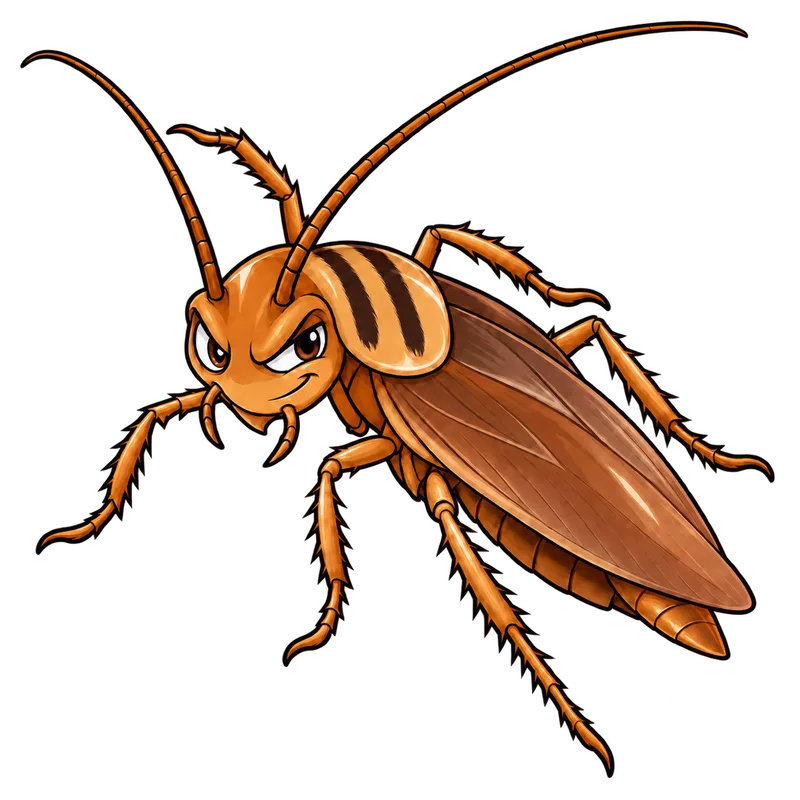
A German cockroach nymph looks like a small, oval, wingless insect ranging from dark brown to glossy black with a crisp, light-colored stripe running right down the center of its back. If you happen to spot one that is stark white or pale ivory, it is simply a nymph that has recently shed its outer skin to grow and will return to its normal dark color within a few hours.
What is actually going on
Picture walking into the kitchen late at night for a glass of water. You flick on the overhead light, and a tiny, dark shape darts across the counter and vanishes under the toaster before you can fully register what it was. If you managed to get a closer look, you would see a small, wingless insect that looks remarkably like a miniature running beetle, except for one distinct feature: a crisp, light-colored stripe running right down the middle of its back. That is a German cockroach nymph, and seeing one usually means there are several others tucked away in the warm, dark recesses of your cabinetry.
These little bugs do not just appear out of nowhere. They hatch from egg capsules carried by adult females until the very last second, tumbling out into the world as tiny versions of their parents. Because a single female can produce dozens of offspring in her lifetime, what starts as a solitary nymph darting past the coffee maker can quietly multiply into a much larger population if the conditions are right. They need warmth, moisture, and shelter, which makes the average kitchen a permanent luxury resort for them.
You might wonder why you are only seeing them now if they have been breeding for weeks. Nymphs hate the light and prefer to stay hidden until the house goes dark. When you start spotting them during daylight hours, it usually means their hiding spots behind the refrigerator or under the sink are getting too crowded, forcing them out into the open.
How to tell for sure
Identifying a German cockroach nymph comes down to a few specific physical traits. They are generally small, oval, and range from dark brown to glossy black. The dead giveaway across all their growth stages is usually that pale or tan stripe running right down the center of the back, contrasting sharply against their darker bodies.
People often get confused by what they find during a kitchen cleanout, leading to a few common mix-ups. Every now and then, you might spot a stark white or pale ivory insect and worry you have found a strange mutant. That is usually just a nymph that has recently shed its outer skin to grow. It hardens and returns to its normal dark, striped color within a few hours. You might not see the nymphs themselves during the day, but you will often notice their droppings. Look closely at the hinges of your upper cabinets or the corners beneath the sink. If you see tiny dark specs that look like someone sprinkled coarse black pepper, you are usually looking at cockroach waste. While other roach nymphs feature horizontal bands across their bodies rather than a single vertical stripe, true German nymphs stick to that center line.
What usually comes next
When you confirm you are dealing with a German cockroach nymph, your best practical move is to stop relying on random aerosol bug sprays and start focusing on systematic management. Grabbing a can of surface spray usually just pushes the insects deeper into the wall voids and scatters them across other rooms, making the problem harder to trace. The pesticide product label is federal law, so never apply any treatment in a manner inconsistent with its instructions.
Instead, start by looking closely at where moisture and crumbs collect. Clean up all grease and food residue daily, store pantry goods in airtight containers, and fix any leaky plumbing under the sink so they lose their water supply. Once the kitchen is genuinely clean and dry, gel baits formulated specifically for roaches can be placed in tiny dabs directly into the cracks and crevices where you suspect they hide. Combining these baits with sticky monitoring traps helps you track where the insects are traveling and lets you see whether your efforts are actually shrinking the population over time. You should never rely on total-release foggers, as they fail to penetrate deep harborages and merely drive the pests further into the structure.
When to get help
There are moments when a DIY approach will simply not cut it, and knowing when to step back is part of being smart about your home. If you live in an apartment or a multi-family building, treating your own kitchen while ignoring the shared plumbing lines and adjoining units will usually result in the roaches coming right back via the wall voids.
You should also bring in a licensed pest management professional if the infestation persists despite your best sanitation efforts, or if you suspect the local cockroach population has developed chemical resistance. On the health side of things, cockroaches carry food poisoning bacteria like Salmonella on their bodies, and their shed skins and droppings are notorious for releasing allergens that trigger severe asthma, especially in children. If anyone in the home develops persistent respiratory issues, rashes, or other medical symptoms, consult a healthcare professional or poison control center immediately rather than trying to diagnose the problem through pest control alone.