
Why are small cockroaches in a house?
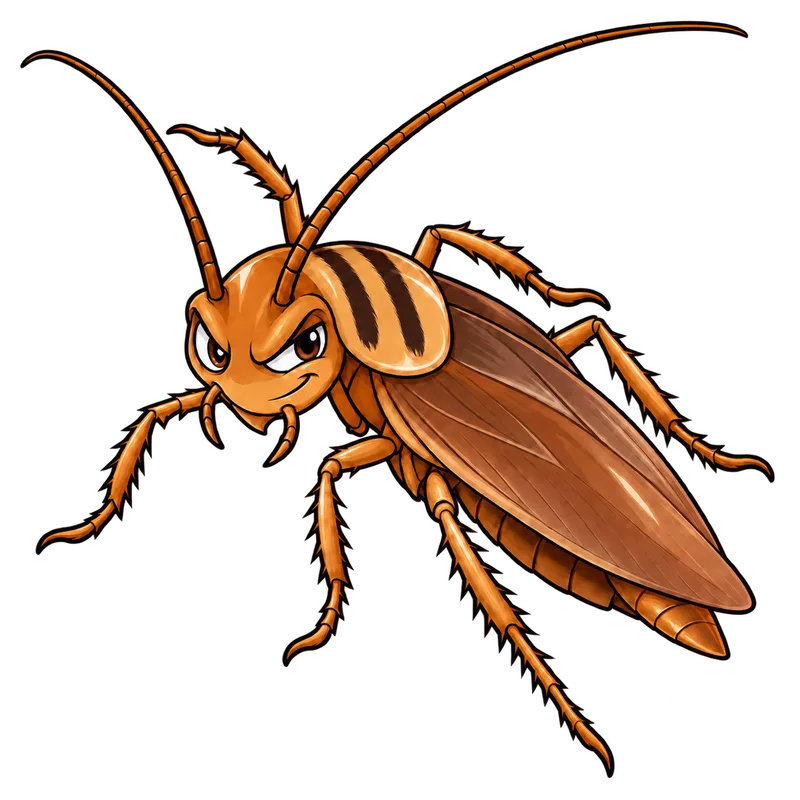
Small cockroaches appear in a house because they are either indoor-adapted species nesting nearby to feed and breed, or they are wingless nymphs of larger outdoor species that wandered inside looking for moisture or warmth. Whether they are permanent pests or accidental outdoor wanderers depends on if they are living inside your walls year-round.
What is actually going on
Imagine walking into the kitchen late at night to grab a glass of water, flipping on the overhead light, and spotting a tiny, fast-moving insect darting behind the toaster. You might immediately wonder where it came from, especially if the counters are wiped clean and the floors are swept every evening. Small cockroaches appear inside houses because they either belong to indoor-adapted species that nest nearby to feed and breed, or because they are wingless immature nymphs of larger outdoor species that wandered indoors looking for moisture, warmth, or refuge from harsh weather.
Distinguishing between these possibilities usually comes down to whether the insects are living inside your walls and cabinets year-round or simply making a mistake by crossing your threshold from the yard. True domestic pests, such as the German cockroach, complete their entire life cycle indoors. They thrive in the warm, humid microhabitats provided by kitchens and bathrooms, where water leaks, food crumbs, and dark crevices sit within easy reach. A single mated female carrying an egg capsule can produce dozens of offspring at once, meaning a few accidental sightings can quickly turn into a hidden population explosion behind your appliances.
On the other hand, finding small, dark insects near a ground-floor doorway or a basement window often points to peridomestic intruders. Early-stage nymphs of American or Oriental cockroaches hatch from egg cases deposited in damp soil, floor drains, or crawlspaces before migrating upward through pipe penetrations. Similarly, outdoor lookalikes like wood roaches or Turkestan cockroaches occasionally wander inside during seasonal temperature shifts. They do not intend to stay and usually perish quickly in the dry air of a heated or air-conditioned home, but their sudden appearance can cause an unnecessary panic.
How to tell for sure
Identification always comes before control. To figure out what you are looking at, grab a bright flashlight and, if possible, a ten-power magnifying lens to inspect the physical features of the insect. Size matters here, but so do body shape and specific markings.
If the insect is minute, measuring less than one-eighth of an inch, and looks soft-bodied and pale, you are usually dealing with booklice or psocids rather than cockroaches. These tiny creatures feed on microscopic mold spores in damp paper, cardboard boxes, or new plaster construction. If the creature is a quarter to three-quarters of an inch long, teardrop-shaped, and covered in silvery scales with three long tail filaments, it is usually a silverfish or firebrat that feeds on starches and wallpaper paste.
When you are sure you have a cockroach, check the shield right behind its head, which experts call the pronotum. If it is roughly half an inch long and shows two dark stripes running lengthwise on a tan body, you are looking at a German cockroach. Should it show a dark bell pattern with pale edges or yellowish bands across its belly, you likely have a brown-banded cockroach, which loves dry, warm upper rooms instead of wet kitchen sinks. If the bug has wings and flew toward your porch light before ending up inside, it is usually an outdoor Asian cockroach or a male wood roach rather than an indoor pest.
What usually comes next
Once you have identified the pest, your next practical move depends entirely on whether you are dealing with a self-sustaining indoor infestation or an occasional outdoor wanderer. If you spot a true indoor reproducer like the German cockroach, reaching for an aerosol fogger or bug bomb is usually a mistake. Total release aerosols tend to panic the population, scattering the insects deeper into wall voids and adjacent rooms while leaving your cabinets exposed.
Instead, the most effective approach relies on a step-by-step strategy that starts with strict sanitation and moisture reduction. Fix leaking plumbing, wipe sinks dry at night, and store all food items in airtight plastic or glass containers. Eliminate cardboard boxes and paper clutter that provide dark, absorbent harborage.
From there, targeted chemical controls such as gel baits containing slow-acting active ingredients work best when placed directly inside the cracks and crevices where cockroaches hide during the day. If the insects are merely outdoor invaders wandering through foundation gaps, focus your energy on structural exclusion by caulking entry points, installing door sweeps, and maintaining a clear, mulch-free perimeter around your home.
When to get help
Severe or persistent infestations require stepping beyond do-it-yourself methods. If you are seeing cockroaches during broad daylight, noticing a distinct musty odor in your cabinets, or finding widespread dark fecal spots near appliance motors, the population has likely outgrown simple baiting and demands a licensed pest management professional. Multi-family housing situations also complicate things, because insects migrate freely through shared utility chases and wall voids between adjoining apartments, making coordinated building-wide treatment essential.
There are also important health and safety boundaries to keep in mind. Cockroach debris, including shed skins and dried fecal dust, contains potent allergens that can trigger severe asthma attacks and allergic rhinitis, particularly in children. Furthermore, pests that travel between damp filth and food preparation surfaces can mechanically vector harmful bacteria. Pest control professionals and technical guides do not diagnose medical conditions, skin rashes, or respiratory illness. Anyone experiencing acute asthma symptoms, unexplained skin marks, or suspected adverse reactions should consult a qualified clinician, an urgent care facility, or a regional poison control center immediately.