
Why is a smoky brown cockroach nymph in the house?
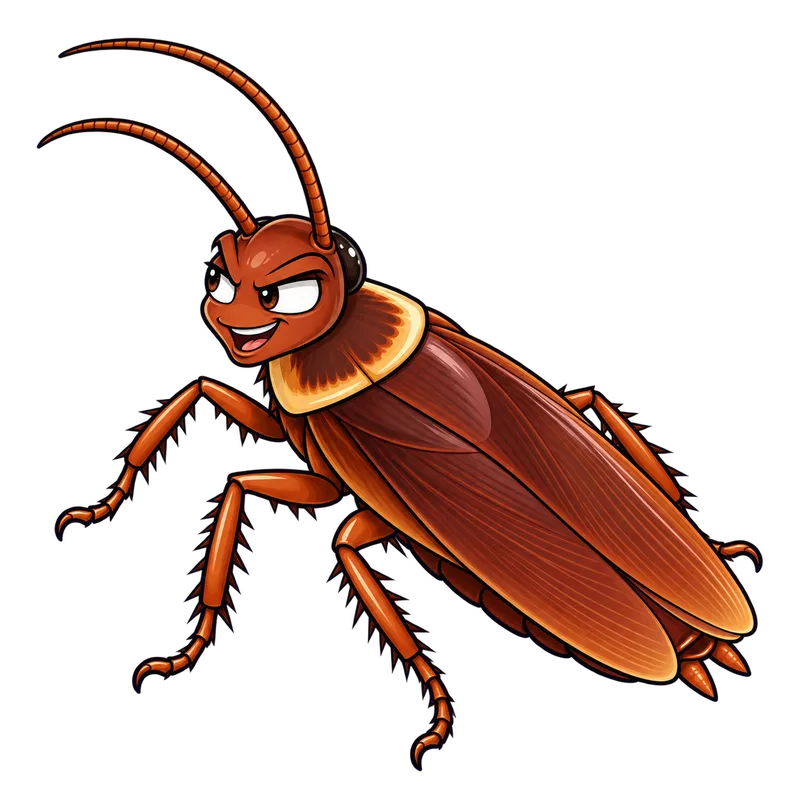
A smoky brown cockroach nymph usually crawls indoors from an adjacent outdoor shelter like mulch or woodpiles seeking moisture, or it hatches from an egg case brought in on firewood or shipping boxes. These outdoor roaches often wander inside by accident when summer heat or heavy rain floods their natural hiding spots.
What is actually going on
Picture walking into the kitchen late at night, flicking on the light, and spotting a fast-moving, shiny dark bug scuttling across the baseboard. You manage to trap it under a glass, only to realize it is a cockroach nymph, which is just the wingless immature stage of the insect. Finding one of these creatures in the house usually means it crawled indoors from an adjacent outdoor shelter such as mulch, leaf litter, woodpiles, or tree hollows, seeking moisture or dark cover.
Alternatively, it might have hatched indoors from an egg case passively brought in on firewood or corrugated cardboard shipping boxes. A smoky brown cockroach nymph is essentially a peridomestic visitor, meaning it lives primarily outdoors in warm, humid microhabitats rather than completing its entire life cycle inside human structures. Unlike domestic species that thrive permanently around indoor kitchen plumbing, these outdoor roaches often wander inside by accident. Nymphs lack fully developed wings and cannot fly, so they must crawl every inch of the way. When summer heat bakes the outdoor soil or heavy rain floods their natural hiding spots, they experience severe dehydration and follow cool air currents right through structural gaps.
Some people worry that a single nymph points to a massive, hidden infestation behind the walls. In reality, because these are outdoor roaches, finding one often represents a temporary invasion rather than a breeding colony. Young nymphs are highly susceptible to drying out, and once they cross the threshold, they are looking for ambient moisture and dark shelter. If your home has dry air and no accessible organic debris or plumbing leaks, an invading nymph typically cannot survive for long.
How to tell for sure
Telling a smoky brown cockroach nymph apart from other indoor pests comes down to looking closely at its physical features. A smoky brown nymph usually has a solid, dark mahogany-to-black body, and its pronotum, which is the plate-like shield covering the head from above, shows a solid dark color without any pale margins or longitudinal stripes.
This detail is important because it rules out other common household pests. For instance, the German cockroach features two distinct parallel dark stripes right behind its head, while other peridomestic species often display pale yellow rings or light borders on their shields. Immature smoky brown roaches also possess flattened body profiles that allow them to squeeze through extremely narrow cracks.
Observing these markers usually requires a good light source and sometimes a standard magnifying glass. If you only spot a fast-moving dark shape under the refrigerator, identification remains uncertain until you can examine the specimen closely. When in doubt, placing sticky glue traps flush against walls and near exterior doorways helps capture specimens for a definitive check.
What usually comes next
Deciding how to respond to a smoky brown cockroach nymph usually points toward non-chemical exclusion and environmental modification rather than grabbing a spray can. Since these nymphs crawl indoors from the outside, the most practical decision involves cutting off their entry points and eliminating the moisture drivers that attract them.
Start by sealing the perimeter. Caulk cracks in foundation walls, install tight-fitting door sweeps at the base of exterior doors, and repair torn window or vent screens. A missing or worn door sweep acts like an open invitation to a flat, flexible nymph. Next, look at your landscaping. Maintain a vegetation-free border three to five feet wide around the foundation by removing leaf litter, decaying mulch, and woodpiles away from the building exterior.
Managing moisture is just as important as blocking physical gaps. Fix any leaking plumbing, ensure soil grades properly away from foundations, clean clogged rain gutters, and run dehumidifiers in damp basements or crawl spaces to keep relative humidity low. If you choose to use chemical controls, avoid total-release aerosol foggers because they fail to reach the deep cracks where nymphs hide. Instead, rely on targeted gel baits or containerized bait stations placed securely in hidden crevices where roaches rest.
When to get help
There are moments when do-it-yourself exclusion and basic trapping are not enough to solve the problem. You should consider calling a licensed pest management professional if nymph sightings persist after two to three weeks of perimeter sealing and moisture control, or if monitoring traps consistently capture multiple nymphs and adults across different rooms. Persistent catches usually signal an active outdoor breeding source right against the structure or an overlooked indoor harborage.
Multi-family buildings, commercial facilities, and schools also require professional intervention, especially since these properties are often subject to strict regional pesticide application laws and shared structural wall voids.
For health concerns, remember that cockroaches carry bacterial pathogens and shed molecular proteins that trigger allergic rhinitis and severe bronchial asthma, particularly in children. If anyone in the household experiences skin reactions, suspected insect bites, severe asthma attacks, or allergic symptoms, consult a qualified clinician, urgent care facility, or regional poison control center right away.