
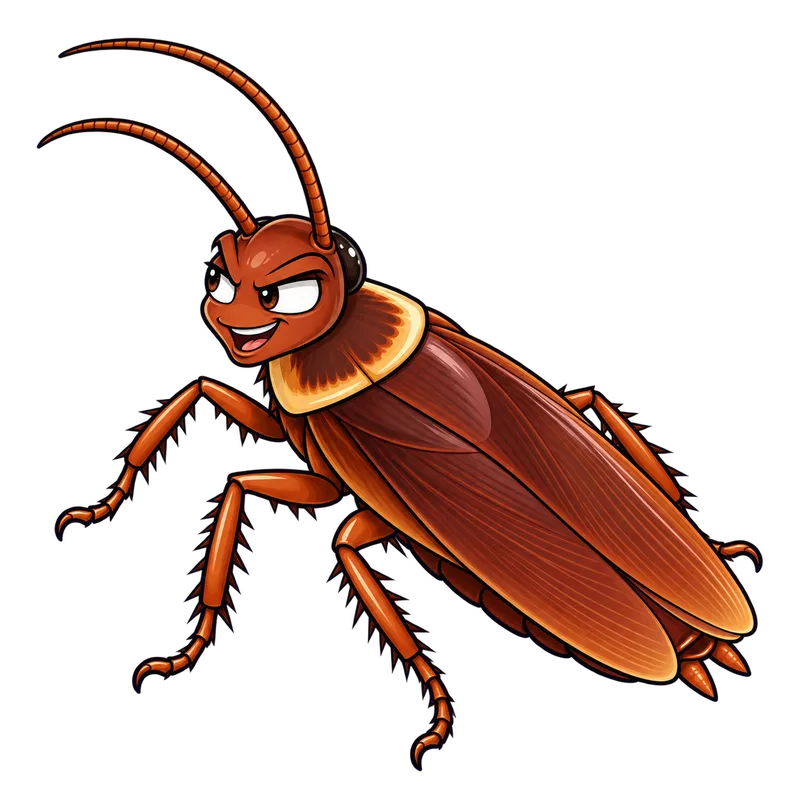
Brown cockroach
combinações Periplaneta/Validiblatta brunnea: confirmar
- Size
- Medium to large, longer than 5/8 inch
- Color
- Reddish chestnut to brown
- Habitat
- Basements, crawl spaces, floor drains, and boiler rooms
- Diet
- Opportunistic omnivore consuming food, paper, and organic debris
- Life cycle
- Egg, nymph with multiple molts, and sexually mature adult
The brown cockroach is scientifically known as Periplaneta brunnea, a title that often gets mixed up with various other medium-to-large brown roaches found around structures. If you are trying to figure out whether you are looking at this species or its much larger cousin, the American cockroach, you will need a 10x magnification hand lens to inspect the tail appendages known as cerci. In the brown cockroach, the very last segment of this tail feeler is short and stubby rather than elongated. Both males and females sport fully developed wings that reach the end of the abdomen or push past it, colored in a solid reddish chestnut without any pale streaks at the base of the front wings. Its broad head shield, or pronotum, features a moderately conspicuous pale border that lacks the stark yellow edge of the American cockroach and the solid black look of the smokybrown cockroach.
Habitat & behaviour
You will usually run into this insect in warm, dark, and exceptionally humid places. Indoors, it favors basements, sump pumps, floor drains, and steam tunnels, while outdoors it hangs out in decaying mulch, leaf litter, and around foundations. Like other roaches, it is strictly nocturnal and strongly thigmotactic, meaning it spends daylight hours jammed into tight cracks where its flattened body can press against surrounding surfaces. If you spot one crawling across your kitchen floor in broad daylight, it usually means the hidden harborage has become severely overcrowded or disturbed. It will eat almost anything containing starch or protein, from spilled pantry crumbs and garbage down to book bindings, wallpaper paste, and envelope glue.
Visual variations
Development happens through a simple three-stage shift, skipping the resting pupa phase entirely to move from an egg straight to a nymph and then an adult. The egg stage happens inside a dark, hardened, bean-shaped capsule measuring roughly three-eighths of an inch long. Females carry this packet sticking out of their rear end for about 24 hours before gluing it securely into a hidden, moist crevice. Newly hatched nymphs are tiny, wingless, and grayish-brown, looking like miniature versions of the grown insect without the flying gear. They go through several growth stages by shedding their old skin, leaving them looking ghostly and pale white for a few hours until the new armor hardens and colors up. Unlike certain other roach species where the females are stuck with tiny wing pads or no wings at all, both male and female brown cockroaches grow full, functional wings once they reach adulthood.
Why it matters
Finding a whole colony living inside your walls or basement brings clear sanitation concerns and health risks. These insects track bacteria across your countertops and dishes on their feet, but the more hidden trouble comes from the debris they leave behind. Shed skins, dried droppings, and saliva all carry strong protein allergens that float into the air and often trigger stuffy noses and severe asthma attacks, especially in kids. Beyond health worries, they can chew up paper records, starched fabrics, and books just to get at the starchy glues holding them together. Because they depend so heavily on hidden moisture and protected structural gaps, keeping them under control usually means sealing up entry points, fixing leaky pipes, and drying out damp areas instead of just spraying the baseboards.
Similar species
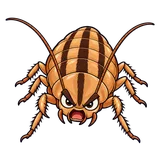 Three-lined cockroachLuridiblatta trivittata
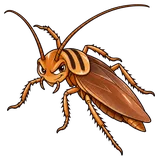 German cockroachBlattella germanica
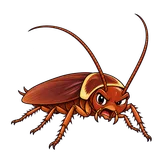 American cockroachPeriplaneta americana
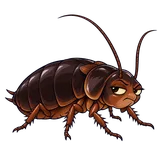 Oriental cockroachBlatta orientalis
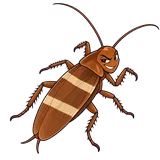 Brown-banded cockroachSupella longipalpa
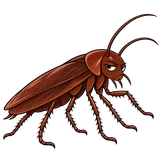 Smokybrown cockroachPeriplaneta fuliginosa