
What does a smoky brown cockroach nymph look like?
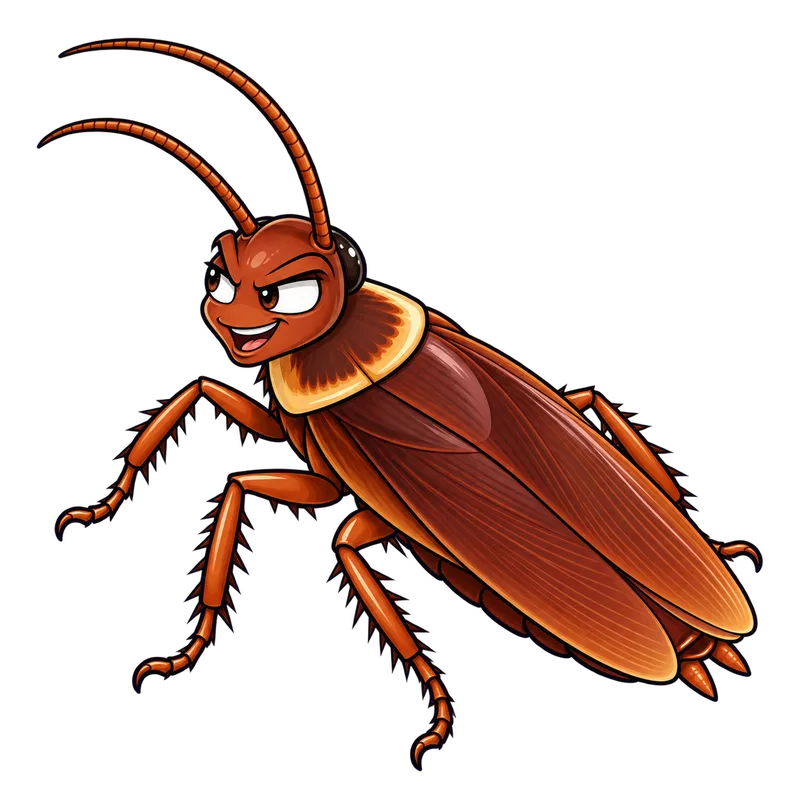
A smoky brown cockroach nymph is an immature, wingless version of a medium-to-large roach that is oval and flat like a watermelon seed. Standard training guides leave out the exact color patterns for these specific nymphs, though freshly molted versions look stark white or ivory before tanning into a deep brown or black.
What is actually going on
Picture yourself walking into the basement on a Tuesday evening to grab an extra roll of paper towels, flicking on the light, and spotting a small, fast-moving bug scurrying behind the water heater. You manage to trap it under a glass to take a closer look, but now you are staring at a dark, wingless little bug and wondering what on earth it is. If you are trying to figure out whether you are looking at a smoky brown cockroach nymph, the short answer is that you are probably looking at an immature, wingless version of a medium-to-large roach, but the exact color patterns of these specific nymphs are surprisingly absent from standard training guides, leaving us to rely on broader clues.
When people picture baby pests, they usually imagine something soft and worm-like, but cockroaches do not work that way. They skip the larval and pupal stages entirely. Instead, they hatch from eggs as miniature versions of their parents. These immatures are called nymphs. They are oval, flat like a watermelon seed, have long thread-like antennae, and possess six bristly legs.
Because they grow by shedding their rigid outer skin, a process called molting, they change in size across several stages before they reach adulthood. Every time a nymph squeezes out of its old skin, it goes through a brief phase where it looks stark white or ivory. If you happen to catch one right after it has shed, you might mistake it for an albino mutant or a completely different insect. Give it a few hours in the air, though, and its new skin will tan and harden into a deep brown or black.
How to tell for sure
Telling one cockroach nymph from another can feel like splitting hairs, especially since juveniles often look quite different from the adults they eventually become. Adults of the smoky brown species usually sport a solid, glossy dark brown to black shield just behind their head, known as the pronotum, without any pale bands or weird stripes. Regarding their nymphs, however, the diagnostic guides usually leave out specific visual markers, meaning you cannot rely on a simple chart to give you a definitive answer on the spot.
You can usually narrow down the possibilities by looking at what else it is not. If the nymph has two distinct dark stripes running down the back of its head shield, you are likely looking at a German cockroach, which loves to live right inside kitchen cabinets. If it has pale cross-bands, it might be a brown-banded cockroach. Smoky brown roaches are generally classified as peridomestic, meaning they prefer to live outdoors in damp mulch, woodpiles, or tree hollows, and only wander inside when the weather turns harsh.
If you only have a naked-eye view, you can usually note its general size and the absence of wings. To check for finer details, such as tiny spine patterns or the fragments of cast-off skin left behind in a dark corner, you typically need a ten times magnification hand lens. When you find a nymph that refuses to match a clear description, or one that is awkwardly stuck in its pale, freshly molted white stage, definitive identification usually requires placing the specimen in a small vial of seventy percent isopropyl alcohol and sending it off to a local university extension service or a pest management professional for a proper microscope check.
What usually comes next
Before you grab a cart full of harsh sprays, you have to decide on your next move, and that choice should always put correct identification ahead of brute force. Pest control methods depend heavily on the specific insect. If you are handling indoor pests like German roaches, you need an aggressive baiting plan inside your living spaces. When you are dealing with outdoor smoky brown roaches that just wandered in from a damp pile of firewood, however, soaking your baseboards with chemicals will completely miss the source of the trouble.
Your most practical move is to focus on keeping them out and cleaning up the yard space right against your foundation. Start by sealing up the small gaps where these bugs squeeze indoors. Grab a tube of caulk or some expanding foam to fill cracks around your foundation, utility pipes, and loose doors. Next, manage the moisture and dark hiding spots that pull them close to your siding in the first place. Clean out your rain gutters, make sure your downspouts push water far away from the house, and pull back thick mulch and rotting leaves to leave a clean, dry strip of three to five feet directly against the bricks.
If you want to track their travel routes without guessing, lay flat sticky traps against baseboards and dark corners in your basement or garage. Cockroaches naturally prefer running along walls where their long antennae brush against solid surfaces, so placing these glue boards like tiny tollbooths along their usual paths helps you see where they sneak inside. Remember that the product label is the law, which means any chemical treatment you choose must follow every written direction on the container precisely. If you decide to use heavy perimeter treatments or need to clear out an infestation starting in municipal sewer lines or tight crawl spaces, that decision belongs strictly to a licensed pest management professional.
When to get help
Cockroaches are more than just an ugly nuisance, since their shed skins, dry droppings, and saliva carry strong allergens that can trigger serious asthma attacks and allergic reactions, especially in young children. If people in your building start showing unexplained breathing trouble or if you spot nymphs walking around indoors in broad daylight, which usually points to a crowded hidden population, it is time to call in professional backup.
You should also reach out to a licensed pest expert when the bugs keep pouring out of hard-to-reach places like wall voids, deep subflooring, or shared utility lines where you cannot safely apply treatments yourself. Keep in mind that control methods must also protect non-target animals, so never place chemical baits or sprays where household pets can lick them, or near protected wildlife habitats and bird nesting sites around your yard. If anyone in your home suffers from insect bites, severe skin rashes, or allergic reactions, skip the pest manuals and talk to a qualified clinician or poison control center right away.