
Are palmetto bugs found in Florida?
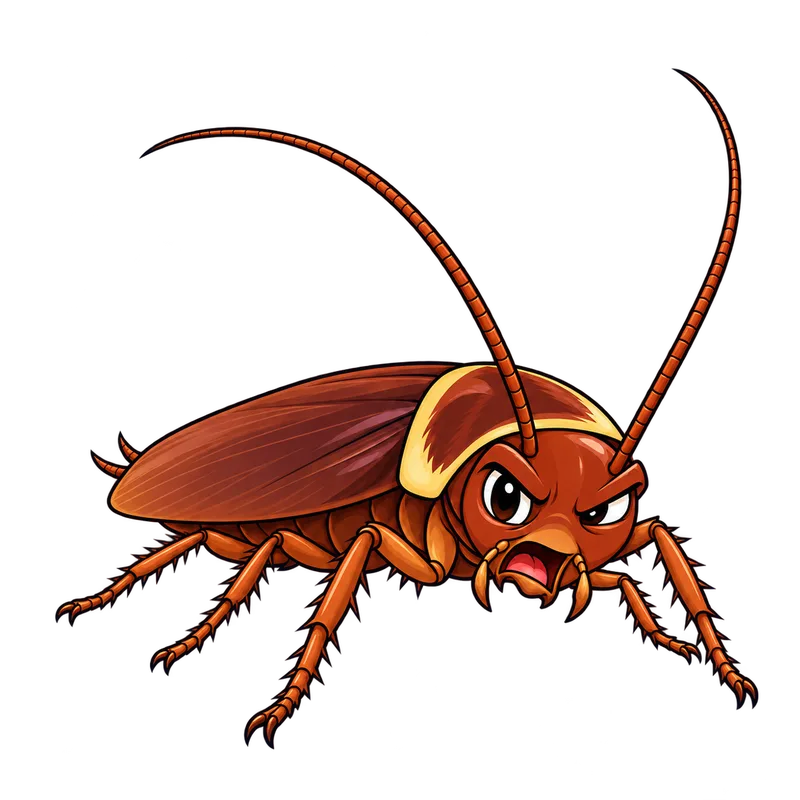
Yes, large outdoor cockroaches known as palmetto bugs are extremely common throughout Florida, even though the term is a regional nickname rather than a distinct scientific species. Entomologists classify these creatures as the American cockroach, which typically grows over an inch and a half long with a smooth, shiny, reddish-brown body.
What is actually going on
You are standing in your kitchen late at night, barefoot, ready to grab a glass of ice water. You flip on the overhead light, and a massive, reddish-brown insect bolts across the tile floor toward the base of the refrigerator, moving with a speed that defies its bulky frame. If this happened in the American Southeast, your first instinct might be to call it a palmetto bug. But are palmetto bugs actually found in Florida, or is that just a polite local nickname for something much more common?
To answer directly, yes, large outdoor cockroaches that locals call palmetto bugs are extremely common throughout Florida, even though the exact term is more of a regional nickname than a distinct scientific species. Entomologists generally classify these creatures as the American cockroach, known formally as Periplaneta americana. While scientific guides and textbooks rely on precise taxonomic names, everyday speech in warm, humid regions prefers a softer label. Calling a massive, flying-capable cockroach a palmetto bug is simply a way to soften the blow when one wanders into your living room.
These peridomestic insects, meaning pests that naturally live and breed outdoors around human structures rather than strictly inside walls, thrive in the subtropical Florida climate. They love mulch beds, leaf litter, and municipal sewer systems where warmth and humidity remain high. When outdoor conditions shift, perhaps due to heavy seasonal rainfall, flooded drainage pipes, or prolonged drought, these large bugs go looking for new moisture.
That search is usually what brings them inside. They do not need your house to complete their life cycle, unlike smaller indoor pests such as the German cockroach. Instead, they treat your home like a convenient shelter or a water station. They squeeze through unsealed gaps around doors, march in through foundation cracks, or climb straight up through dry plumbing traps, finding their way into laundry rooms and kitchens purely by accident.
Telling these outdoor wanderers apart from other household pests usually comes down to size and color. The adult American cockroach is quite large, typically growing over an inch and a half long, with a smooth, shiny, reddish-brown body and a lighter yellowish marking behind the head. They have fully developed wings, and while they usually prefer to run, adults can glide short distances if startled. This distinguishes them instantly from smaller, dark brown or banded indoor species that cluster thickly inside kitchen cabinets.
People also use the term water bug interchangeably with palmetto bug, though this often causes confusion. True water bugs are aquatic insects belonging to an entirely different insect order, possessing piercing mouthparts and living entirely underwater in ponds. The urban water bug you find scuttling across a basement floor is just another regional nickname for a large cockroach.
Another common point of confusion involves terminology from different parts of the country, such as the historical label Croton bug. That name actually refers to the German cockroach, which is a much smaller, indoor-adapted pest that favors tight, warm spaces near kitchen appliances and requires human structures to survive. If you are dealing with a giant, flying-capable intruder that appeared out of nowhere near your front door, you are usually looking at a peridomestic outdoor invader rather than an established indoor infestation.
How to tell for sure
Skip the guesswork when you spot an unfamiliar insect, and never try to diagnose a pest problem from a bite mark or a rash. Cockroaches rarely bite people directly, and skin irritations usually result from airborne allergens rather than a physical nip. If you need a positive identification, drop an intact specimen into a small sealed jar and bring it to your county extension office or a licensed pest professional instead of squinting at a crushed shell on the floor.
When a giant intruder startles you in the hallway, the natural urge is to grab a household spray can and douse every dark corner. But leaning entirely on surface sprays usually fails to solve the root problem, since it completely ignores how the bug made its way inside. Your best move is to stop treating the symptoms and start blocking the entryways.
What usually comes next
Begin your check at the plumbing, since these bugs love traveling up through dry floor drains in utility closets and guest bathrooms where the protective water barrier has evaporated. Pouring a cup of water down those forgotten drains instantly restores the block against the sewer. From there, walk the outside perimeter of your house. Old door sweeps, unsealed gaps around pipes, and hairline cracks in the foundation are basically welcome mats for crawling insects.
Applying a durable silicone caulk to those gaps and screwing down fresh door sweeps will keep out more unwanted guests than an entire afternoon spent spraying baseboards. If you do choose to use chemical solutions, such as professional-grade gel baits tucked away near entry points, read the product label and follow every instruction to the letter. Never brew your own pesticide mixtures or use products outside of what the label allows. When the outdoor pressure is simply too high or the gaps in your old house are too complex to fix yourself, hiring a licensed pest control operator is the smartest way to regain your peace of mind.
When to get help
Spotting a solitary outdoor wanderer in a humid climate is usually just part of living in the region, but seeing them constantly is a different story. If you keep finding large numbers of these peridomestic roaches indoors despite sealing your doors, priming the floor drains, and drying out damp areas, you likely have an active nest hiding nearby or a hidden break in your sewer line that needs a professional to track down.
Health worries are another good reason to call in outside help. As these insects shed their skins and leave behind droppings, they release strong allergens into the air that can trigger asthma attacks and stubborn nasal allergies, especially in young children. These proteins are chemically similar to the allergens found in dust mites and shellfish, meaning an allergy to one can sometimes trigger a reaction to the other. If anyone in your home suffers from sudden breathing trouble, ongoing wheezing, or severe allergy symptoms, reach out to a doctor, allergist, or urgent care clinic right away. Avoid any traditional remedies or exposures involving cockroach extracts if you already manage asthma, as they can provoke serious medical reactions.