
What do baby cockroaches look like?
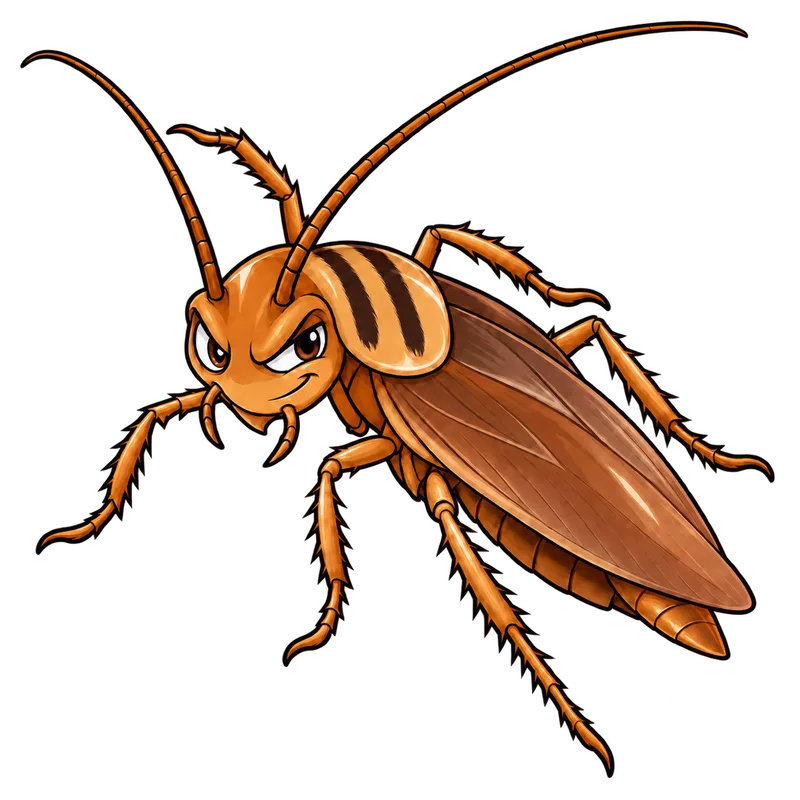
Baby cockroach nymphs look like miniaturized, wingless versions of adults with flat, oval bodies, six spiny legs, and whipping antennae. A newborn German cockroach nymph is no larger than a sesame seed or a matchstick head. Depending on the species, they may show two dark racing stripes behind the head or light horizontal bands across the back.
What is actually going on
Picture turning on the kitchen light at midnight, pulling open the silverware drawer to grab a spoon, and spotting a tiny speck darting into the corner. It is too small to be a full-grown pest, but it definitely has places to be. If you are wondering whether that little sprinter is a baby cockroach, you are looking at an immature insect known as a nymph. Nymphs look like miniaturized, wingless versions of adult cockroaches. They have the same flat, oval body shape, six fast-moving legs covered in tiny spines, and long, whipping antennae that sweep the air ahead of them.
The main reason people get confused by them is that baby roaches do not go through a caterpillar-to-butterfly transformation. Instead, they grow up through a series of stages by shedding their old skins. A female cockroach starts the cycle by producing a bean-shaped egg capsule, which can hold anywhere from twelve to fifty eggs depending on the species. When those eggs hatch, out pop tiny nymphs that already know how to run, hide, and search for crumbs.
You might raise an eyebrow at this and wonder how a bug so small manages to hide in plain sight. The truth is, early-instar nymphs are astonishingly tiny. A newborn German cockroach, which is the most common indoor pest, starts out no larger than the head of a wooden matchstick or a single sesame seed. Because they are so flat, they can squeeze into hairline cracks behind baseboards, underneath cabinets, and inside the hollow plastic casings of your kitchen appliances. They eat the exact same food as the adults, meaning bits of grease, stray cereal crumbs, and moisture from a dripping pipe are all it takes to keep a whole family tree thriving right under your sink.
How to tell for sure
Identification comes before control, and sorting a baby cockroach from other household insects usually depends on a few specific body markings. If you catch one and get a close look, usually with a good flashlight or a magnifying glass, look for the following diagnostic clues.
First, check the head and thorax area. If you are dealing with a German cockroach nymph, you will usually see two dark, parallel stripes running lengthwise down the shield just behind the head, almost like a pair of tiny racing stripes. If the nymph belongs to the brownbanded species, you will typically spot two light-colored horizontal bands crossing its back, looking a bit like pale seatbelts. American and oriental cockroach nymphs lack these distinct stripes or bands, starting out as grayish-brown or reddish-brown and gradually turning a shiny mahogany color as they grow.
Next, check the rear end of the bug. Every true cockroach nymph features a pair of short, jointed spikes known as cerci sticking out from the back of the abdomen. This specific detail sets them apart from bugs like silverfish, which sport three long, thread-like tails, or bed bugs, which do not have those rear appendages at all.
Third, do not freak out if you happen to spot a completely pale, stark-white insect racing across your floor. Folks often mistake these for bizarre albino pests, but they are usually just standard nymphs that have recently shed their outer shell. Within a few hours, contact with the air hardens and darkens their brand-new skin, returning them to their usual shades.
What usually comes next
Spotting a nymph indoors is typically an indicator that you are dealing with a reproducing crew instead of a stray traveler that wandered in through the back door. Adult roaches might occasionally hitch a ride indoors inside cardboard boxes or used furniture, but finding wingless babies proves they hatched and grew right on your property.
Your wisest move here is to concentrate on deep cleaning and drying up moisture instead of rushing out to buy random aerosol cans. Nymphs simply cannot make it without water and food debris, which means scrubbing the kitchen, wiping away grease behind the range, and repairing that weeping pipe beneath the sink will starve them out. You can also slip sticky glue cards flush against baseboards near appliances to figure out where they hang out most. If you opt for store-bought baits or sprays, bear in mind that the product label is strict law. Never brew your own chemical mixtures, and always stick to the safety and application steps exactly as printed on the container.
When to get help
While regular tidying handles small-scale issues, certain scenarios demand outside help. You ought to contact a licensed structural pest control expert if your cleaning routines and traps fail to cut down the number of nymphs, or if you reside in an apartment building where pests wander easily through shared walls. Commercial spaces, schools, and severe invasions needing restricted-use chemicals likewise demand professional skill.
Keep in mind that roach debris, covering discarded skins and dried waste, carries potent allergens capable of setting off asthma and allergies, particularly in kids. If you or anyone in your home suffers from bad allergic reactions, skin irritations, or trouble breathing, reach out to a doctor or poison control center immediately.