
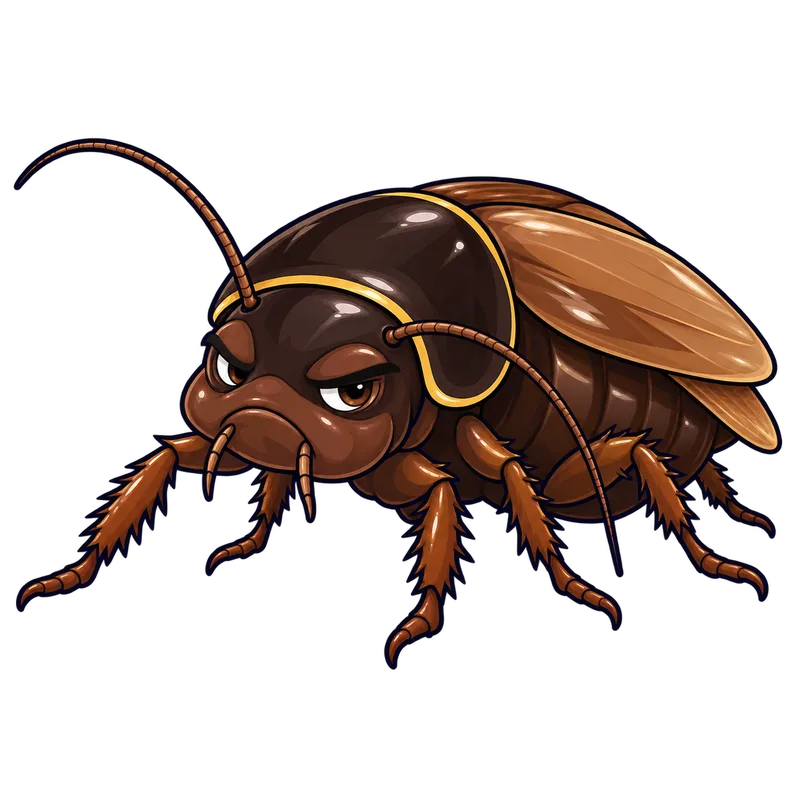
Surinam cockroach
Pycnoscelus surinamensis
- Size
- Not established
- Color
- Dark throughout
- Habitat
- Soil of indoor potted plants and greenhouses
- Diet
- Living plant tissue and root systems
- Life cycle
- Gradual metamorphosis from egg case to nymph to adult
The Surinam cockroach, known scientifically as Pycnoscelus surinamensis, is an insect that gives away its presence not by crawling across kitchen counters, but by digging around the roots of your prized indoor ferns. If you are peering into a greenhouse or inspecting the soil of an office lobby palm at arm length, you are looking at a creature built for the dirt rather than domestic filth. Adult females feature short wings that do not fully cover the abdomen, and the entire body is dark. The pronotum, which is the shield just behind the head, is solid dark without any pale margins, stripes, or central designs.
Habitat & behaviour
This species is a tropical and subtropical creature that cannot survive outdoor winters in colder northern regions. In temperate areas, you will find it exclusively indoors within heated spaces like commercial greenhouses, enclosed shopping mall atrium plantings, and indoor arboretums. Most homeowners run into them when they bring home a new potted plant from a nursery or a contracted interior landscaping service, as the bugs hitch a ride right inside the soil.
Unlike the German cockroach that scuttles across kitchen counters searching for grease and crumbs, the Surinam cockroach burrows deep into potting substrate. It stays hidden in the damp soil and organic mulch during daylight hours, coming out at night to feed directly on living plant tissue and root systems. Many populations are parthenogenetic, meaning females can reproduce without male fertilization, and they carry their bean-shaped egg cases attached to their abdomens until the nymphs are ready to hatch.
Visual variations
Like all cockroaches, this insect goes through incomplete metamorphosis, meaning it skips the pupa stage entirely and moves from egg to nymph and then to adult. You will never find worker or soldier castes in these groups because these bugs are solitary creatures rather than social colonizers.
The life cycle starts when the female produces an ootheca, which is just the scientific term for a dark, bean-shaped egg case. Instead of dropping her eggs or gluing them to a surface and walking away like an American or Oriental cockroach would, the female Surinam cockroach hauls her egg case around with her, keeping it tucked against her abdomen until the young are ready to emerge. When the tiny, wingless nymphs finally hatch, they look like miniature copies of their parents, minus the wings. If you happen to catch one right after it molts, or sheds its outer shell, it will look ghostly white for several hours before its new skin hardens and darkens into the usual shade. Adult females eventually show up with those characteristic short wings that leave the very tip of the abdomen exposed to the air.
Why it matters
Finding one of these bugs usually means you brought home a horticultural hitchhiker rather than a housekeeping failure. They do not set up permanent breeding colonies in structural wall voids, kitchen pantries, or humid bathrooms. However, because they burrow straight into soil and chew on underground parts, they pose a direct threat to the health of your indoor plants and greenhouse inventory by damaging roots and ornamental foliage.
Just like any other roach, they can still produce protein allergens from their cast skins and droppings that trigger asthma in sensitive people, and they can carry bacteria on their outer shells as they move around. Even so, their primary impact remains botanical rather than structural. If you are trying to tell them apart from lookalikes, do not confuse them with the pale green Cuban cockroach that also hangs out in warm greenhouses, or the German cockroach that sports two dark stripes on its back and prefers kitchens. You should also avoid mixing up the Surinam cockroach with the sawtoothed grain beetle, which happens to share the species name surinamensis but is actually a tiny pantry insect belonging to an entirely different family.
Similar species
 Brown cockroachcombinações Periplaneta/Validiblatta brunnea: confirmar
 Three-lined cockroachLuridiblatta trivittata
 German cockroachBlattella germanica
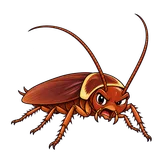 American cockroachPeriplaneta americana
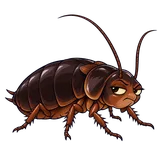 Oriental cockroachBlatta orientalis
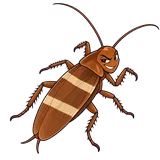 Brown-banded cockroachSupella longipalpa