
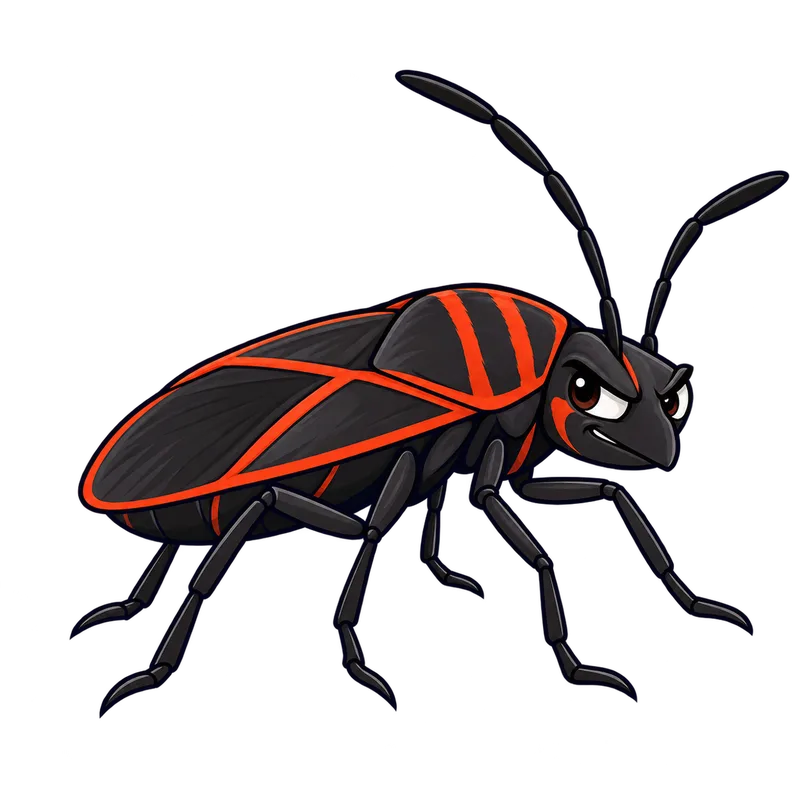
Boxelder bug
Boisea trivittata
- Size
- Not established
- Color
- Not established
- Habitat
- Buildings and seed-bearing female boxelder trees
- Diet
- Boxelder seeds and host tree material
- Life cycle
- Overwinters as adult, active in late summer
You will usually spot a boxelder bug long before you look at it under any magnification, mostly because it has a habit of showing up by the dozen on the sunniest side of your house just as the weather turns cool. The available records do not pin down a precise body length or color breakdown for these insects, which means you cannot rely on a strict measurement when identifying them from standard field notes. Instead, you look at where they gather and what they are doing. They are true bugs belonging to a broad group of seed eating insects, and their entire life centers around finding a warm place to sleep away the winter and a reliable food source when the weather is warm. If you are trying to tell them apart from similar true bugs, you run into a blank spot in the standard documentation, as local extension guides tend to treat them as unmistakable once they start clustering on siding and window frames. You generally have to rely on their distinct seasonal habit of congregating on southern and western exterior walls rather than measuring subtle anatomical lines on their backs.
Habitat & behaviour
The life of a boxelder bug revolves entirely around female boxelder trees and the seeds they drop into flower beds and lawns. They spend the growing season hanging around those specific trees, feeding quietly on the foliage and the fallen seeds without causing any real harm to the health of the plant. They are not the kind of pest that kills a tree or bores deep into structural lumber, which comes as a relief to anyone who worries about losing mature shade trees in the yard. The trouble starts in late summer, usually around mid to late August, when the temperature dips slightly and triggers an urge to find shelter. They crawl up the trunks of nearby trees and march straight toward the nearest man made structure. You will find them blanketing brick walls, stone foundations, and patio doors as they search for tiny gaps, cracks in the mortar, and loose window sashes. Once they squeeze inside your living spaces, they settle into wall voids and attics, waiting for the indoor heat to trick them into thinking spring has arrived early, which is why you might see a sluggish individual crawling across your living room rug in January.
Visual variations
Growing up from a small wingless insect into a fully winged adult happens right out in the yard near those same host trees, even if the step by step timeline is not spelled out in typical garden guides. When you see tiny versions marching across the grass right beside fully grown adults, you are simply looking at different stages of the exact same insect rather than a second pest moving in. There is no complex colony structure here like the rigid castes you might find in an ant hill or a termite nest. Males and females look remarkably similar to the naked eye, and you will not spot any striking physical differences between them beyond the female's specific focus on laying eggs around seed bearing trees. By the time they reach their final winged form, they do have wings that let them flutter short distances from a tree to your house, though they spend far more time walking with purpose or dropping heavily onto a sunny deck than they do buzzing around like bees.
Why it matters
Finding hundreds of boxelder bugs crawling across your siding or dropping onto your kitchen floor is deeply frustrating, but their presence is mostly an annoyance rather than a crisis. They do not bite, they do not sting, and they do not carry any illnesses that pose a danger to people or household pets. They also leave your home framing alone, meaning they will not chew through your drywall or feast on your floorboards the way termites or carpenter ants would. If you sweep them up or suck them into a vacuum cleaner, you might catch a faint musty smell if any get crushed, which is simply their natural defense mechanism kicking in. Keeping them under control is less about waging chemical warfare and more about stopping them before they find a way inside. You can block them out by caulking exterior cracks, sealing gaps around window sashes, and removing female boxelder trees from the yard if you want to tackle the root of the problem. Should you decide to use an outdoor perimeter spray in late August to halt their migration, keep in mind that local rules often prohibit spraying hard surfaces where runoff can enter storm drains, and you must always avoid treating areas where bees and other pollinators are actively visiting flowers.
Similar species
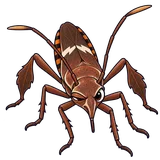 Western conifer seed bugLeptoglossus occidentalis
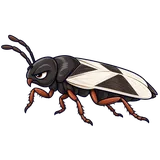 Southern chinch bugBlissus insularis
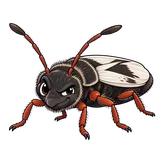 Hairy chinch bugBlissus leucopterus hirtus
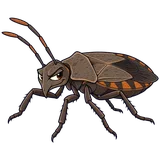 Squash bugAnasa tristis
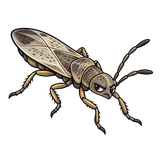 False chinch bugNysius raphanus
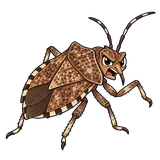 Brown marmorated stink bugHalyomorpha halys