
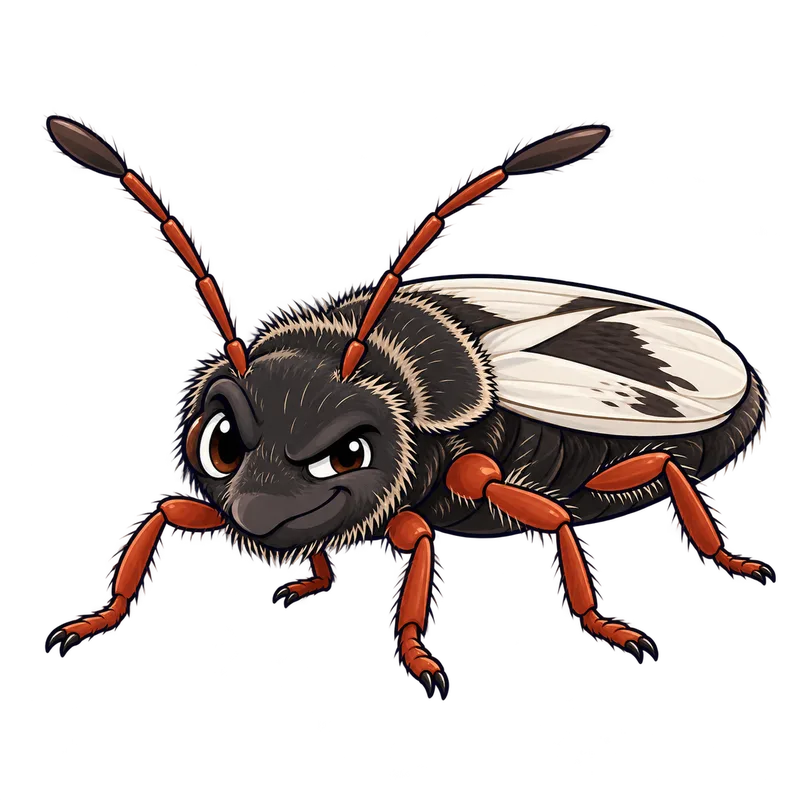
Hairy chinch bug
Blissus leucopterus hirtus
- Size
- One-sixth to one-fifth of an inch long
- Color
- Dark grayish-black with white wings
- Habitat
- Open, unshaded turfgrass areas
- Diet
- Vascular sap of turfgrass stems
- Life cycle
- Two to four generations per year
The hairy chinch bug is a small, true bug that makes its presence known through sheer numbers in the lawn. Fully grown adults measure between 1/6 and 1/5 of an inch long. When you look at one without magnification, you notice its elongate-oval body and a dark grayish-black color. The wings are a dead giveaway once you get close enough to see them. They are predominantly brilliant white with contrasting black markings, featuring distinct small black triangular patches right along the outer margins. Those wings lie folded flat across the back when the bug is at rest.
Identity
Nymphs go through a dramatic transformation in size and coloration as they grow from a tiny 1/20 of an inch up to 1/5 of an inch long. When they first hatch out of their eggs, they are bright yellow or a striking red and pink. They feature a broad, bright white band running straight across the middle of their abdomen, which makes them stand out against the soil or thatch. As they molt and progress through their developmental stages, that bright color fades into a dark reddish-brown and eventually turns black. By the time they reach the late nymphal stage, they look remarkably like the adults except they lack fully developed, functional wings, sporting only short wing pads instead.
If you want to catch them in the act of feeding, you need to look at their mouthparts. Both adults and nymphs possess a slender, piercing-sucking beak extending from the underside of the head. It functions much like a tiny straw. They sink this beak directly into the vascular tissue of grass stems and crowns to drink sap. As they feed, they inject a salivary toxin that clogs the plant's internal plumbing, stopping water and nutrients from reaching the tips.
Habitat & behaviour
Hairy chinch bugs are sunshine-loving insects. They selectively colonize open, unshaded turfgrass areas that soak up full sun all day long, which means you will rarely find them establishing damaging populations in dense, shaded lawn zones. Beyond sunlight, they have a particular weakness for thick thatch. A thatch layer exceeding 1/2 of an inch creates a cozy microhabitat that protects them from the elements and strongly accelerates population outbreaks.
They are highly mobile surface crawlers. Both adults and mature nymphs scramble rapidly across exposed soil and crown areas, which explains how they manage to recolonize lawn sections you thought you had cleared. Their seasonal cycle kicks off in early spring when overwintered adults wake up. First-generation nymphs typically show up in April and May. Development from an egg hidden in a leaf sheath or node joint to a mature adult takes about 4 to 6 weeks under summer temperatures, resulting in multiple generations per year depending on the region. Outbreaks and visible turf injury peak during hot, dry summer weather when the grass is already struggling with environmental heat and moisture stress.
Visual variations
The life stages follow a steady progression, starting with tiny eggs tucked away in plant crevices, leaf sheaths, and crown debris. Out of those eggs step the early instar nymphs, measuring a mere 1/20 of an inch. These hatchlings look bright yellow, red, or pink, and they wear a white band right across their middle that stands out against the soil.
As the nymphs grow through successive molts, they lose those bright red and yellow tones. They shift into darker reddish-brown and eventually deep black bodies. During these later stages, they take on the oval shape of the mature insect, but their backs only display short wing pads instead of full flight gear.
Once they reach adulthood, they measure 1/6 or 1/5 of an inch long with a dark gray to black body. This is where the adult winged form takes over. Their bodies feature brilliant white wings folded flat over the abdomen, stamped with small black triangular patches on the outer margins. Look at them through a lens, and you will see their slender piercing-sucking beak tucked underneath the head between their legs when they are not feeding. There are no soldiers or workers in this species. Males and females look alike in the field, meaning you cannot tell them apart without specialist laboratory equipment.
Why it matters
Finding hairy chinch bugs means your lawn is facing a vascular crisis that creates expanding, irregular patches of yellowing turf. These patches eventually turn brown, dead, and matted, often taking on a purplish shade just before the grass blades die completely. Because the bugs inject a toxin that clogs the grass stems, the damage looks just like drought stress, but the turf will never green back up after a heavy watering.
You do not need to worry about them invading your living room or harming your household pets. Hairy chinch bugs do not bite, sting, or cause allergic reactions in people, nor do they attack structural wood or spread plant pathogens. They are strictly turfgrass pests. Fine fescue and Kentucky bluegrass suffer the most under their watch, especially when planted in full sun.
When you suspect an infestation, precise identification and sampling matter before taking any action. People often make the mistake of counting bugs right in the middle of a dead brown patch, but finding zero bugs there is normal because the insects have already migrated outward to feed on fresh grass. To find them, you need to sample at the outer margin of the damage in apparently healthy, green turf. You can use a simple flotation test by driving an open-ended metal cylinder or a large coffee can 2 to 3 inches into the turf and soil, then flooding it with 1 inch of water. Maintain that water level for 5 to 10 minutes and watch for the bugs to float to the surface. Treatment thresholds generally sit around 15 to 20 immature bugs per square foot in home lawns, and 20 to 25 bugs per square foot in commercial turf. Because commercial populations carry a high risk of developing resistance to standard insecticides, proper identification of the pest and its resistance status dictates whether a licensed applicator must rotate to alternative chemical classes.
Similar species
 Squash bugAnasa tristis
 False chinch bugNysius raphanus
 Brown marmorated stink bugHalyomorpha halys
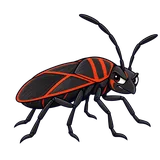 Boxelder bugBoisea trivittata
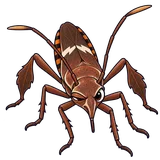 Western conifer seed bugLeptoglossus occidentalis
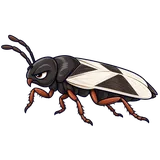 Southern chinch bugBlissus insularis