
Why are stink bugs in the house?
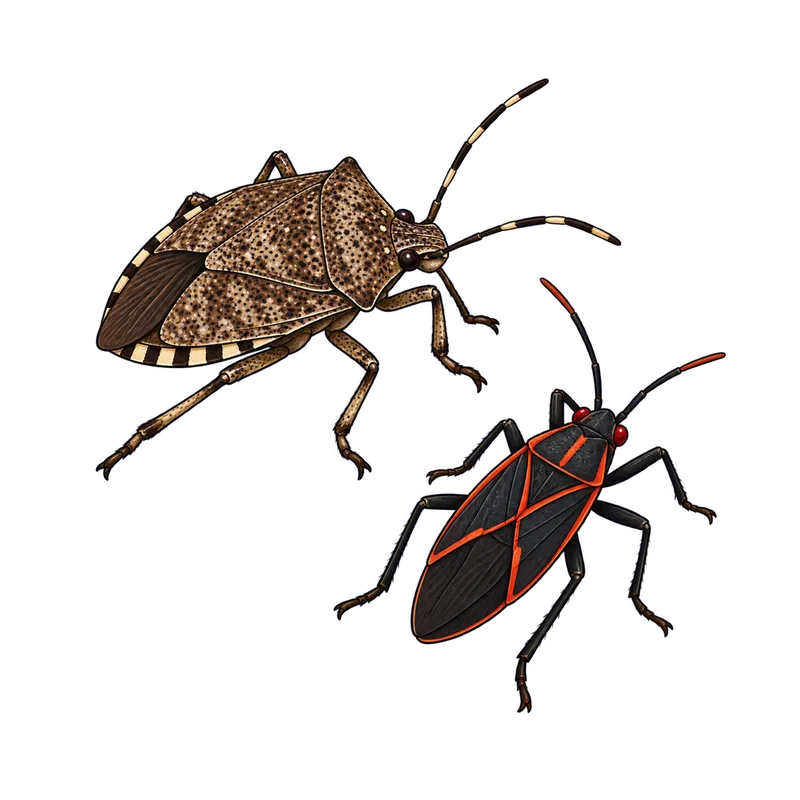
Stink bugs enter houses in autumn solely to find thermal shelter for surviving cold winter temperatures. When outdoor conditions cool down, these five-sided, brownish or grayish insects about five-eighths of an inch long aggregate on warm exterior walls and crawl through tiny structural gaps. They remain inactive in wall voids until indoor heating reactivates them.
What is actually going on
You walk into the living room on a crisp October afternoon, look toward the sunny bay window, and spot a slow, armored insect lumbering across the glass. By the time you grab a tissue to deal with it, another one drops from the ceiling trim, and then you notice a steady, clumsy parade of shield-shaped visitors crawling along the walls. It feels like an invasion out of nowhere, but these bugs are not arriving to raid your pantry or chew your baseboards. They are simply looking for a warm place to sleep through the cold months ahead. As outdoor temperatures drop and daylight hours shrink in late summer and early autumn, adult stink bugs transition away from feeding on agricultural crops and landscape plants. They spend the warmer months outdoors, but the first true chill in the air triggers a survival instinct. They gather in large numbers on sun-baked exterior walls, treating your siding much like a south-facing rock face in the wild. From those warm collection points, they start crawling into every tiny structural gap they can find. Once they exploit unsealed window sashes, attic vents, siding gaps, and utility penetrations, they slip into wall voids and crawl spaces to overwinter. They enter a dormant state known as diapause, which is basically a biological pause button that lowers their metabolism so they can survive without eating a single crumb until spring. They are not breeding, laying eggs, or feeding on your belongings. They are just trying to ride out the winter freeze. The reason you see them moving around inside a heated home during January or February usually comes down to indoor warmth. The artificial heat tricks their systems into thinking spring has arrived early. That premature awakening causes them to stumble out of the wall voids and into your living areas, where they bump into lamps, crawl across television screens, and generally make a nuisance of themselves.
Stink bugs enter houses in autumn solely for thermal shelter to survive cold winter temperatures. When outdoor conditions cool down in September, these insects aggregate on warm exterior walls and seek out tiny openings in the building shell. Once inside, they do not feed, mate, or reproduce. Instead, they remain inactive in wall voids until indoor heating or warm winter spells reactivate them, causing them to wander into living spaces. They are structural nuisance pests rather than destructive invaders, meaning they pose no threat to wood structures or fabrics.
How to tell for sure
Recognizing a stink bug usually takes very little effort because of their unmistakable geometry. Adults typically measure about five-eighths of an inch long and feature a distinct five-sided shield shape. If you look at one from a distance of a couple of feet, you can usually spot the broad, flat back, the six legs, and the mottled brownish or grayish coloring. They move with a slow, deliberate crawl, and when they are disturbed, they tend to pause and release a sharp, pungent odor from glands on their thorax. People often wonder whether these insects might damage wooden furniture or bite household pets, but that belief does not hold up against how they are built. Stink bugs possess piercing-sucking mouthparts that are strictly designed for draining sap and fluids from plant tissue, fruits, and seeds. They do not have mouthparts capable of breaking human skin or chewing through household textiles. If someone in the house wakes up with unexplained red welts or skin irritation, it is usually wise to look elsewhere for the cause rather than blaming the shield-shaped bugs on the wall. Telling the difference between the invasive brown marmorated stink bug and native brown stink bugs usually requires a closer look, especially if you live near commercial orchards or farmlands where multiple species thrive. A hand lens with ten times magnification helps reveal the fine identifying markers, such as distinct white banding on the antennae and alternating dark and light markings along the outer edges of the abdomen. If you cannot quite tell which species you are dealing with, local agricultural extension offices often help identify specimens brought in by homeowners. Confusing stink bugs with other fall invaders also happens quite often. Boxelder bugs, Asian lady beetles, and western conifer seed bugs tend to show up on sunny exterior walls during the exact same autumn window. While their colors and markings differ, their underlying motivation is identical. They are all cold-blooded creatures seeking thermal shelter before winter arrives, and they all respond to the same basic prevention methods.
What usually comes next
When you find yourself sharing living room space with dozens of dormant or stumbling insects, the smartest move is figuring out how to clear them out without turning your home into a chemistry lab. Stashing away the indoor bug spray is usually your best starting point. Hitting random spots with aerosol cans indoors rarely fixes an overwintering pest issue, and it usually leaves dead bugs rotting deep inside wall voids where they attract secondary scavengers like carpet beetles. Instead of grabbing chemical sprays, rely on gentle physical removal. You can sweep stray bugs right into a dustpan or pick them up with a tissue and toss them outside. If you decide a vacuum cleaner is faster for rounding up a bigger cluster, be ready for the machine to blast a heavy wave of that famous defensive odor right back into the room. Using a vacuum with a disposable bag, and walking that bag straight out to an outside trash bin the second you finish, keeps the smell out of your living quarters. If you want to stop the whole cycle for next year, the single most useful thing happens outside long before the first autumn frost hits. Sealing up the building shell with exterior grade caulk, patching torn window screens, and putting tight door sweeps on before September keeps the bugs from getting inside at all. Perimeter treatments sprayed during the opening week of September can cut down entries around stubborn foundation cracks, but they demand strict attention to product label rules, especially avoiding hard surfaces where rain can wash the residue straight into storm drains.
When to get help
Most home invasions of overwintering shield bugs can be handled with basic physical exclusion and careful vacuuming, but certain situations call for outside help. When stink bugs manage to push deep into complex multi-story exterior walls, high roof lines, or tricky soffit structures, calling a licensed pest management professional is usually the safest route. Pros bring the right gear, including extension ladders and specialized sealing materials, to reach high entry points without risking a bad fall. If you are dealing with mystery bites, unexplained skin marks, or severe allergic reactions in the house, do not blame those symptoms on stink bugs. Talk to a qualified clinician, an urgent care clinic, or your local poison control center to get a proper medical check. Stink bugs do not carry human diseases, and assuming they are the cause of a medical problem can delay finding the real source. Outdoor pest control also carries strict environmental rules that sometimes demand professional know-how or careful attention to local laws. Never put perimeter insecticides on concrete driveways, sidewalks, or other hard surfaces where runoff can push chemicals into storm drains or local streams. On top of that, outdoor treatments must never go down when flowering landscape plants are in full bloom, because that puts foraging honeybees and native pollinators in direct danger. Finally, if your efforts to seal outside gaps uncover unexpected wildlife, such as roosting bats, nesting birds, or other protected animals hidden away in your attic or wall voids, stop work right away. Strict wildlife protection laws cover these species across most regions. Do not try to trap or handle protected wildlife yourself, and instead call a licensed wildlife control operator or your state or provincial natural resource agency for help.