
Why do western conifer seed bugs smell?
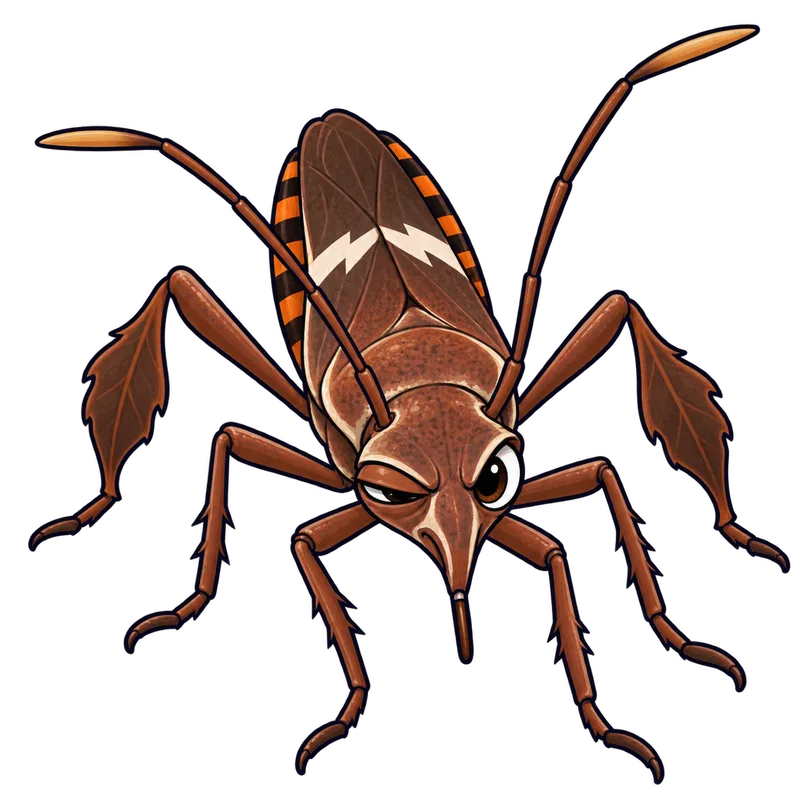
Western conifer seed bugs release a sharp bitter almond aroma on purpose as a chemical defense when they feel threatened, handled, or crushed. Specialized scent glands on the underside of the thorax discharge this volatile liquid into the air to make predators drop them instantly.
What is actually going on
Imagine walking over to draw the living room curtains on a crisp autumn evening, only to accidentally pinch a small brown insect resting in the fabric and suddenly getting hit with a sharp wave of intense bitter almonds. That smell is not a coincidence, nor is it meant to perfume your house. Western conifer seed bugs and their close relatives release that distinct aroma on purpose as a chemical defense against predators.
When an insect feels threatened, handled, or crushed, it discharges volatile liquids from specialized scent glands. In seed bugs, those glands sit on the underside of the thorax, specifically positioned right between the second and third pairs of legs. When the bug is squeezed, tiny openings release the liquid into the air. The resulting aroma usually makes a hungry bird or small mammal drop the bug instantly.
The trouble starts when these insects migrate to the sunny exterior walls of houses in late summer, looking for a warm place to spend the winter. They cluster by the hundreds on siding and window frames, soaking up the heat. When they eventually slip inside through tiny gaps and homeowners try to swat them, the mechanical pressure of the blow triggers those same defensive glands.
Beyond the smell, the defensive fluid contains compounds that can leave stubborn yellow or brownish stains on drapes, carpets, and painted walls. It is an entirely functional survival mechanism for the insect, but it becomes an indoor nuisance the moment human living spaces and bug biology collide.
How to tell for sure
Western conifer seed bugs are large, slender insects, usually measuring about 15 to 20 mm in length, making them easy to spot with the naked eye from a short distance. You can usually identify them by the noticeable, leaf-like expansions on their hind legs, which look a bit like tiny flat paddles attached to the shin. They have a mottled brown body and feed strictly on plant and conifer seeds, which means they possess piercing-sucking mouthparts.
People frequently confuse them with other seasonal visitors, such as boxelder bugs or stink bugs. Boxelder bugs are smaller and display dark bodies highlighted by bright red lines behind the head. Stink bugs tend to have a wider, shield-shaped body and release a much harsher, skunk-like odor from scent glands located on their abdomen rather than their thorax.
If you are dealing with a western conifer seed bug, it usually shows up indoors during the cooler autumn months or during unexpected warm spells in the middle of winter, when indoor heating wakes them up from dormancy. They usually hang around windows, ceilings, and light fixtures, moving sluggishly because they are not actively trying to feed inside your home.
One common belief is that these bugs bite or sting people when handled carelessly. That is actually a misconception. Their mouthparts are built exclusively for extracting plant juices, so they do not bite humans, pierce skin, or transmit diseases, and they certainly do not cause structural damage to your house.
What usually comes next
The single most important decision you can make when you find one of these bugs indoors is to resist the urge to step on it, swat it with a magazine, or crush it against the wall. Smashing an invader guarantees the immediate release of that concentrated bitter almond odor into your room air, alongside a permanent stain on your drywall or upholstery.
Instead of reaching for a paper towel and your shoe, grab a vacuum cleaner with a hose attachment. Gently vacuum up the sluggish bugs from the baseboards, curtains, or window sills. Once you finish collecting them, immediately take the vacuum bag or empty the dust canister straight into an outdoor trash can, tie the bag tightly, and discard it.
Leaving captured bugs inside a vacuum cleaner sitting in a hallway closet is a common mistake. The residual defensive chemicals will linger inside the machine and exhaust a stale, foul odor into your living space the next time you turn the vacuum motor on.
For a lasting solution, your energy is usually better spent on the outside of the house rather than chasing individual bugs indoors. Sealing exterior gaps around windows, doors, and utility lines with silicone caulk prevents them from finding their way inside in the first place, stopping the cycle before you ever have to smell them.
When to get help
While seed bugs are mostly a smelly inconvenience rather than an emergency, certain situations call for outside help. If thousands of bugs are actively infiltrating your wall voids, attic spaces, and soffits year after year, a professional pest management company can step in. They can apply targeted exterior perimeter treatments to foundation walls right before the autumn invasion season begins. Every professional application must strictly follow product label directions and state regulations.
There are also health and sanitation angles to keep in mind. Large numbers of insects dying off inside hidden wall voids can accumulate over time. The breakdown of dead bug bodies, shed skins, and waste products can generate fine allergenic dust. If anyone in your household has severe asthma or heightened sensitivities and starts experiencing unexplained respiratory symptoms from indoor dust, consult a healthcare professional or an allergist.
Furthermore, those accumulated dead bugs inside wall voids often serve as a protein-rich feast for secondary scavengers like carpet beetles. If you notice a secondary infestation of small beetles damaging fabrics or stored items nearby, a professional inspection can help identify the source and restore balance to your home environment.