
How do you get rid of chinch bugs in a lawn?
Getting rid of chinch bugs in a lawn requires confirming they are present, timing treatments carefully, and addressing thick thatch. Management action is justified if counts hit fifteen to twenty-five bugs per square foot using a flotation test. Success depends on watering the turf beforehand, following product instructions, and reducing heavy nitrogen fertilizers.
What is actually going on
You walk out onto the back patio with your morning coffee, look down at the lawn, and notice a dull, straw-colored patch sitting right where the afternoon sun beats down the hardest. At first, you figure the grass just dried out during yesterday's heat. You turn the sprinkler on for a good soak, wait a couple of days, and expect things to bounce back. Instead, the patch keeps spreading, looking less like dry grass and more like a patch of matted shag carpet left out in the heat. That is usually when chinch bugs move in, setting up camp and turning a healthy yard into a brown mess.
Getting rid of them is not a matter of simply dumping an all-purpose poison on the yard and hoping for the best. Controlling an active population requires confirming they are actually there, measuring how many you have, and timing your treatments carefully. These pests are small, but they do heavy damage by piercing grass stems and injecting a salivary toxin that clogs the plant's internal water pipes. Think of a grass stem like a drinking straw that has been pinched shut with glue. No matter how much water you pour into the soil, the plant cannot pull it up to the leaves.
This is why water alone will not fix the problem. If your lawn is simply suffering from lack of rain, a thorough soaking will perk it up within forty-eight hours. If chinch bugs have destroyed the plumbing inside the grass stems, the turf stays brown and dead no matter how much you water. Once you rule out simple drought, you have to look closer at the grass itself to see what is crawling around down in the thatch layer where the soil meets the green blades.
How to tell for sure
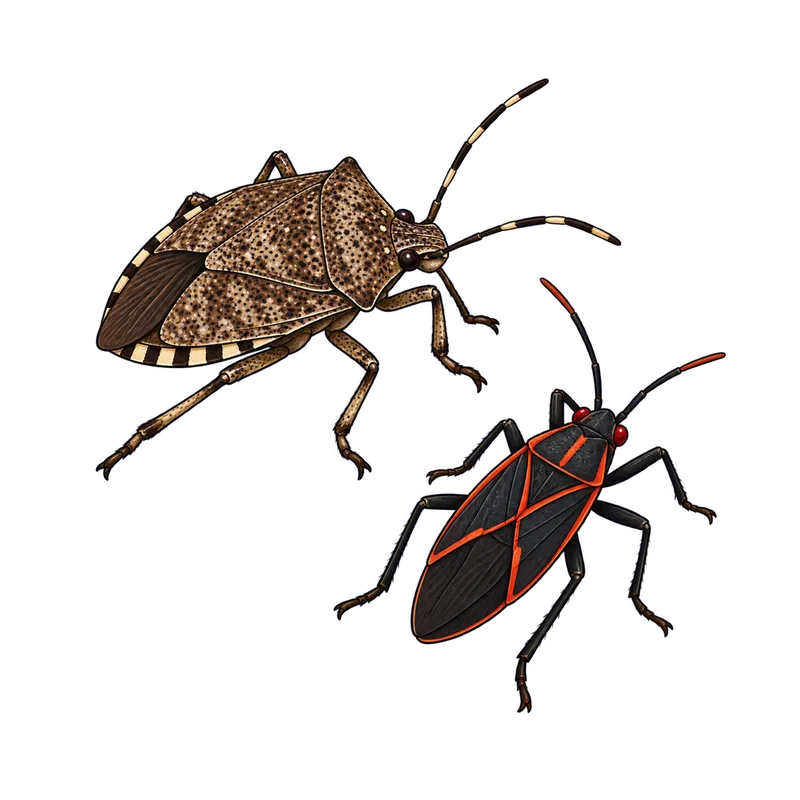
Spotting these insects takes a bit of patience because they prefer hiding out of sight, right at the base of the grass stems where the organic matter builds up. Adult chinch bugs usually measure about a sixth to a fifth of an inch long, featuring dark grey or black bodies with distinctive white wings that fold flat over their backs. If you look closely, you will usually spot a small black triangular patch along the edge of each wing. Nymphs, which are the immature stages, start out tiny and bright red with a noticeable white band across their middles, gradually turning darker orange and brown as they grow.
Do not bother digging around in the middle of the brown, dead patches to find them. Chinch bugs are picky eaters that abandon completely dead grass to feed on fresh vegetation. Searching for them in the middle of a dead spot is like looking for groceries in an empty refrigerator. You usually want to drop your focus right on the outer margin of the damage, where the brown grass meets the living green turf.
To count them reliably, most university extension services recommend the flotation sampling test. Take a bottomless metal cylinder, such as an old coffee can with the top and bottom cut out, and drive it two to three inches into the soil right along that green border. Fill the can with water and keep it topped off for about five to ten minutes. As the ground saturates, any nymphs or adults hiding in the thatch usually float right to the top where you can count them. Management action is usually justified if your counts hit or exceed fifteen to twenty-five bugs per square foot, depending on your region and local extension guidelines.
What usually comes next
Once your flotation test confirms you have crossed the action threshold, your next practical decision is choosing between quick chemical knockdown and long term cultural prevention, though you usually need a bit of both to win. If you decide to use an insecticide, you cannot just spray dry turf on a hot afternoon. You usually need to hydrate the lawn thoroughly twelve to twenty-four hours before treating it. Putting chemicals on drought stressed grass leads to severe chemical burn, and damp soil also helps draw the bugs upward where they make better contact with the treatment.
You also have to pay close attention to how your insecticide works. Some liquid contact sprays require you to keep the lawn dry and unmowed for a few days after application so the product stays on the foliage and crowns. Granular treatments or systemic products often need to be watered in immediately to reach the root zone. If you have been using the same type of product season after season with diminishing results, you are likely dealing with resistant insect strains. Rotating your chemical choices across different mode of action groups, such as alternating pyrethroids with neonicotinoids, is usually necessary to break that resistance cycle.
Beyond the spray bottle, you have to deal with the physical environment that invited them in the first place. Chinch bugs thrive in thick thatch, which is that tangled mat of dead and living stems sitting between your green grass and the soil. If your thatch layer is thicker than half an inch, it acts like a cozy blanket that shelters the bugs and blocks your treatments from reaching them. Spring or fall core aeration and dethatching remove that shelter, while cutting back on heavy, quick release spring nitrogen fertilizers stops the grass from producing the overly succulent growth these pests love to feed on.
When to get help
There are times when a do it yourself approach is no longer sensible or safe, and you should hand the job over to someone else. If your lawn covers a large commercial property, an extensive homeowners association common area, or a high maintenance athletic field, heavy duty equipment and specialized knowledge are required. You should also call in a licensed professional if repeated consumer applications fail due to entrenched pesticide resistance, as they have access to restricted use formulations that are not sold on retail shelves.
Safety concerns around chemicals also draw a hard line. Synthetic pyrethroids are exceptionally toxic to fish and aquatic life, meaning you must never apply them near ponds, streams, or storm drains where runoff can reach natural water bodies. If your property sits right next to a wetland or a neighborhood retention pond, leave the application to a licensed applicator who knows how to maintain safe buffer zones. Neonicotinoids and carbamates also carry strict warnings regarding honeybees and wild pollinators, requiring you to read and follow every detail on the bee advisory box before opening a container.
Keep children and household pets completely off the lawn until liquid sprays have dried entirely or granular treatments have been watered in and dried according to the label. If anyone in your household experiences dizziness, nausea, skin irritation, or respiratory distress after handling or being exposed to lawn chemicals, wash the affected skin immediately, remove contaminated clothing, and contact a clinician or your local poison control center right away. If you notice burrowing wildlife like skunks or raccoons tearing up the damaged turf in search of insects, avoid handling the animals directly and contact your state wildlife agency or local animal control department for guidance.