
Do brown marmorated stink bugs bite?
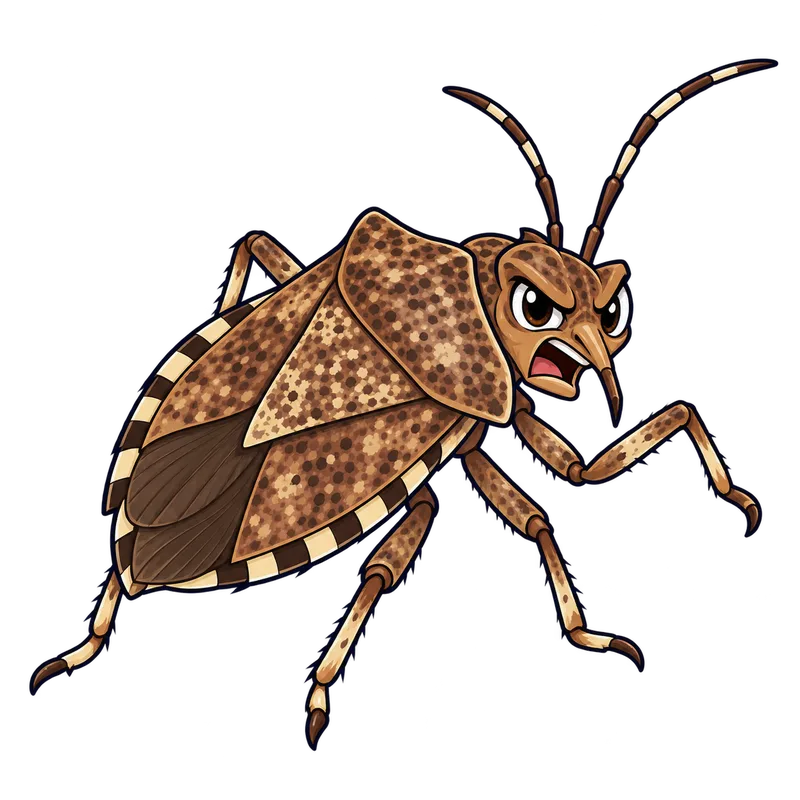
No, brown marmorated stink bugs do not bite humans, pets, or livestock. These plant eaters use their specialized beak exclusively to drink plant juices and have zero interest in animal blood. If one gets trapped tightly against your skin, you might feel a sharp mechanical pinch, but that is simply defensive pressure from a trapped insect.
What is actually going on
You walk down the hallway on a crisp October morning, spot a broad, shield-shaped insect crawling lazily across the living room baseboard, and instinctively pull back your hand. It looks armored, menacing, and large enough to mean business. Your mind races through worst-case scenarios about mysterious night bites or itchy welts waiting for you under the sheets.
The short answer is no. Brown marmorated stink bugs do not bite humans, pets, or livestock, and they certainly do not feed on blood. If you find one pacing along your curtains or clinging to a sunny window screen, you are looking at a vegetarian visitor that has zero interest in you as a meal.
The confusion usually stems from how these insects look and where you find them. Unlike genuine household parasites that hunt for hosts in the dark, stink bugs are plant eaters through and through. They possess a specialized, needle-like beak tucked underneath their bodies, which they use exclusively to pierce fruit skins, stems, and seedpods to drink plant juices. They lack the chewing jaws required to tear animal flesh, and they have no venom glands or blood-sucking adaptations.
Why do they show up indoors by the dozens just as the weather cools down? As summer fades, these insects stop feeding and start looking for a dry, sheltered spot to sleep through the winter months. Your house simply acts as a convenient, heated rock crevice. They squeeze through gaps around window sashes or siding because their biology tells them to find a safe nook for diapause, which is just the insect version of a long winter nap. They do not breed, chew your clothes, or eat your woodwork while they stay with you.
Spotting one of these intruders usually comes down to recognizing a few distinct physical traits. Adult brown marmorated stink bugs measure roughly five-eighths of an inch long and feature a distinct five-sided outline that looks rather like a medieval knight's shield. Their upper bodies display a mottled brown and gray coloring, which is where the marmorated part of their name comes from.
If you take a closer look with a magnifying glass, you usually notice a few dead giveaways that separate this specific invader from native lookalikes. They have clear alternating white and dark bands on their antennae, along with similar light and dark banding along the outer edges of their abdomen. Native brown stink bugs can look remarkably similar at a glance, so telling them apart often requires checking those subtle antennal stripes and the smooth edges of the chest plate just behind the head.
You might wonder what happens if you accidentally trap one against your skin inside a shirt sleeve or under a heavy blanket. If the bug gets squeezed hard enough, it may press that rigid feeding beak defensively against your skin. You can feel a sudden, sharp pinch, but that is purely mechanical pressure from a trapped insect, not a predatory bite or a deliberate attack.
How to tell for sure
Since these bugs do not bite, spread disease, or damage your home structure, your main task is deciding how to handle their seasonal arrivals without turning your living room into an olfactory disaster. The most effective approach is deciding whether to lock them out before they arrive or manage the ones already inside.
If you prefer to keep them outside where they belong, your best move is sealing up the house before the first cool September nights trigger their migration to your walls. Caulking gaps around window frames, repairing torn screens, and adding door sweeps stop most of them from finding an entry path in the first place.
If they have already made it indoors, you can vacuum them up to clear the room quickly, but you need to accept one unpleasant trade-off. The moment a vacuum brush crushes even a single bug, it triggers their defense mechanism, releasing a pungent, lingering odor that smells remarkably like crushed cilantro or defensive musk. Emptying the vacuum bag or canister outdoors immediately after cleanup helps keep that smell from venting back into your living space. Alternatively, simply sweeping them into a dustpan and dropping them into a bucket of soapy water avoids the vacuum issue entirely.
What usually comes next
Most stink bug encounters require nothing more than a dustpan or a vacuum, but certain situations call for outside assistance. If you are dealing with a massive autumn aggregation where thousands of bugs blanket multi-story siding or hide out in inaccessible attic spaces, bringing in a licensed pest control professional makes good sense. Commercial applicators have the specialized equipment and high-potency formulations needed to treat exterior perimeter walls effectively before the bugs push indoors.
Insecticides must never be applied to concrete paths, driveways, or hard surfaces where rain runoff can wash the chemicals straight into storm drains and local waterways. Furthermore, sprays should never be used when pollinators are active around your foundation plantings. Always read and follow the product label instructions carefully, as the label is the law regarding safe pesticide use.
When to get help
If you discover an unexpected skin lesion, a persistent rash, or a painful mark and find yourself wondering if a bug caused it, do not try to diagnose the issue from photographs or general descriptions. Pest insects leave behind a wide variety of marks that cannot be identified reliably by sight alone. Take any unexplained skin reaction to a licensed healthcare clinician or an urgent care center for a proper medical evaluation. If you suspect chemical exposure from misapplied products or accidental ingestion, contact your local poison control service right away.