
How do you get rid of stink bugs on tomatoes?
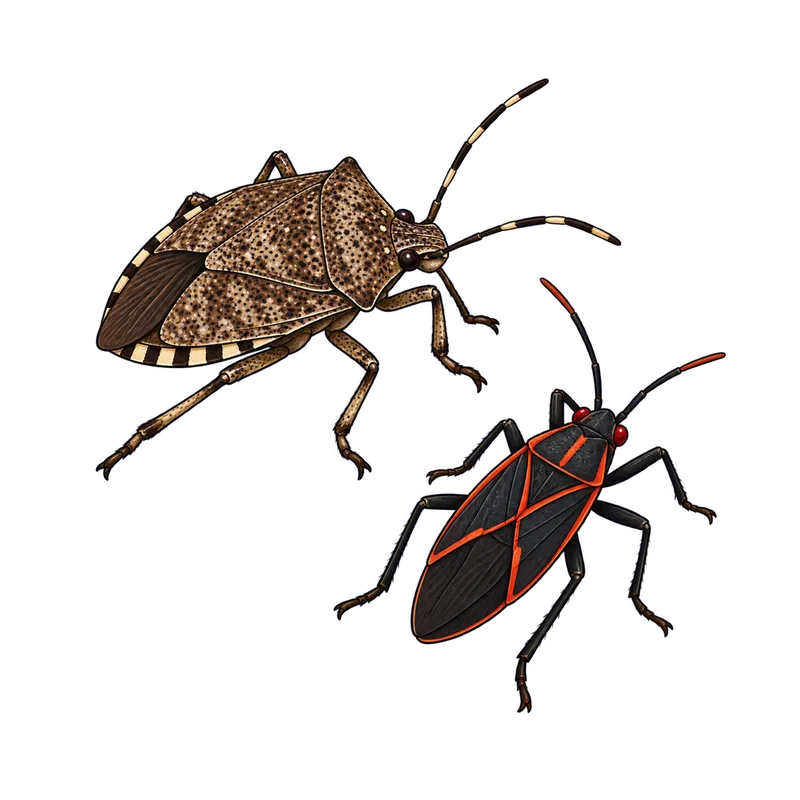
To get rid of stink bugs on tomatoes, you have to combine physical removal, clearing out overgrown weeds, and targeted sprays only when the damage truly calls for it. You can pick adults and egg masses off the plants and drop them into soapy water. When populations explode, you can use a registered insecticide explicitly labeled for tomatoes.
What is actually going on
You walk out to the garden with a red ceramic bowl in hand, ready to pick a few sun-warmed tomatoes for lunch. You spot a gorgeous, plump red globe hanging low on the vine, but as you reach out to twist it free, you freeze. The skin is marred by strange, pale white rings that look almost like ghostly little halos, and when you flip the fruit over, the flesh underneath feels spongy and hard.
You have been paid an unwelcome visit by stink bugs. To get rid of them on your tomatoes, you have to combine physical removal, clearing out the overgrown weeds they hide in, and targeted sprays only when the damage truly calls for it.
Stink bugs and their close relatives like leaffooted bugs do not chew holes in your vegetables. Instead, they possess piercing, needle-like mouthparts that they drive straight through the tomato skin to slurp out the juices inside. As they feed, they inject digestive saliva that breaks down the fruit cells. When the tomato grows and tries to ripen around those puncture wounds, the red pigment fails to develop properly, leaving behind those distinctive cloudy halos.
The frustrating part about these insects is their mobility. They are strong flyers, meaning an adult bug can drop in from a neighboring overgrown field, feed on your prize tomatoes for an afternoon, and fly away before you even spot it. If you rely solely on a single spray of pesticide and walk away, new adults will just move right back in once the residual effect wears off. That is why managing them demands a bit of strategy rather than a quick fix.
Stink bugs belong to the insect family Pentatomidae, and they overwinter as adults in protected spots like dead wood, leaf litter, or wild brush. When spring arrives and temperatures warm up, they emerge to feed and look for mates. Tomatoes, peppers, and various other garden crops draw them in because the succulent tissues offer a rich source of moisture and nutrients.
Females deposit their barrel-shaped eggs in tight clusters of 20 to 70 on the undersides of leaves. Once those eggs hatch, the wingless nymphs begin feeding alongside the adults on stems, foliage, and developing fruit. Because they reproduce multiple times in warmer regions, a modest spring population can balloon into a heavy summer infestation if left unchecked.
How to tell for sure
Before you start waging war, you need to make sure you are actually looking at a pest. Adult stink bugs usually measure about five-eighths of an inch long and carry a distinct, five-sided body outline that resembles a tiny medieval heraldic shield. If you flip over the tomato leaves, you will often find clusters of twenty to seventy barrel-shaped eggs glued neatly to the undersides.
You also want to look closely at the bugs themselves, because not every shield-shaped insect in the garden is your enemy. The spined soldier bug looks remarkably similar to the plant-eating pests, but it is actually a beneficial predator that hunts down caterpillars and beetle larvae. If you spray broad-spectrum chemicals without checking, you usually end up killing your best defenders along with the culprits.
Another clue is timing and location. The brown marmorated stink bug, an invasive species originally from Asia, tends to show up in massive numbers around September, but it usually does that by crawling onto the sunny exterior walls of houses to seek winter shelter rather than munching on your late-season garden produce.
What usually comes next
Once you confirm you have pest stink bugs ruining your harvest, you have to decide whether your current infestation level requires pulling out chemical sprays or if you can manage it with your bare hands. For small gardens with just a few bugs here and there, mechanical removal is usually the smartest first move.
You can simply walk the rows with a bucket of soapy water and pick the adults, nymphs, and egg masses right off the plants, dropping them into the liquid. Some gardeners swear by using a small vacuum cleaner to suck them up quickly. If you choose the vacuum route, use a dedicated shop vacuum or a machine with a disposable bag, because crushing these bugs inside the canister releases a pungent defensive odor that will linger in the exhaust every time you turn the appliance on.
When the population explodes and fruit damage becomes widespread, you might need to step up to a registered insecticide that is explicitly labeled for tomatoes. If you go that route, you must pay strict attention to the pre-harvest interval, which is the legally required waiting period between spraying your crop and picking the fruit. Organic pyrethrins require the spray to dry fully before harvest, while conventional options range from a one-day wait for carbaryl and malathion up to a twenty-one-day wait for imidacloprid.
When to get help
Most home gardeners can handle a moderate stink bug problem with patience and handpicking, but certain situations cross the line into professional territory. If you are managing a large agricultural plot or commercial acreage where invasive stink bug populations overwhelm standard garden methods, you should consult a licensed commercial pesticide applicator who can coordinate a proper management program.
Safety guidelines and environmental rules also demand caution. Never use structural pest control products or indoor bug sprays on edible vegetable crops, as doing so creates serious health risks from toxic residues. Furthermore, when applying outdoor perimeter treatments near concrete driveways or hardscapes, you must prevent runoff from entering storm sewers and waterways. Avoid spraying blooming plants while bees and pollinators are active, and always contact poison control or a clinician immediately if accidental chemical exposure or ingestion occurs.