
Can dogs eat stink bugs?
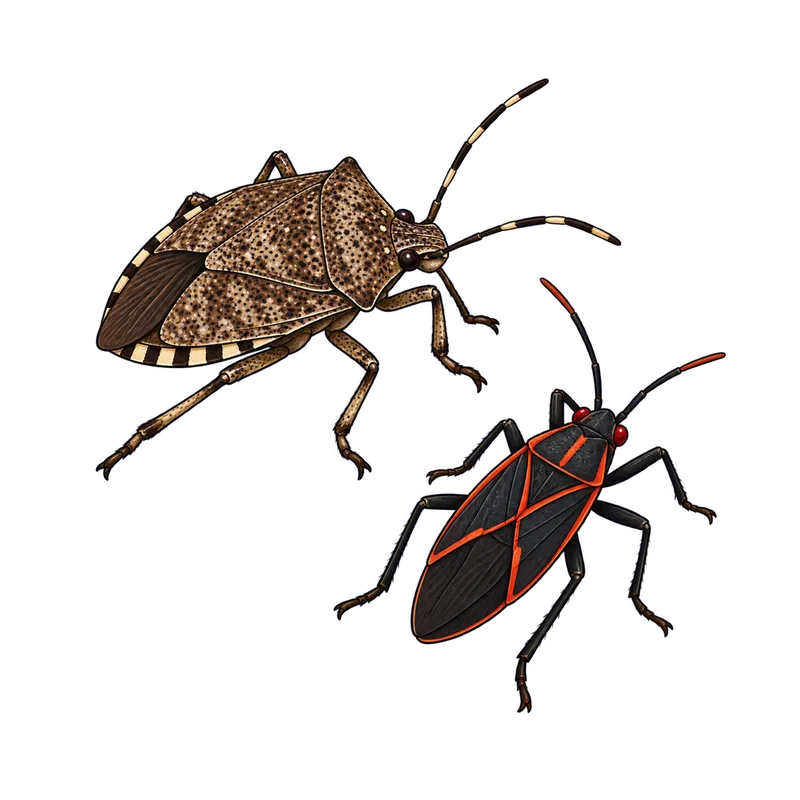
Yes, dogs can eat stink bugs, because veterinary and agricultural sources contain no toxicity data showing dogs are poisoned by a plain bug. However, biting down on one releases foul-smelling organic compounds that irritate the mouth and stomach, leading to drooling or vomiting. The danger depends on whether the five-eighths-inch insect has been exposed to lawn chemicals or insecticides.
What is actually going on
You are sitting on the couch on a cool October evening, and your golden retriever suddenly snaps at something buzzing near the rug. Before you can lunge across the room to stop him, a clumsy, shield-shaped insect disappears into his mouth with a loud crunch. You immediately wonder if your dog just swallowed something toxic. To answer the question directly, agricultural extension and veterinary sources contain no clinical ingestion studies or specific toxicity data saying dogs can be poisoned just by eating a plain stink bug.
That lack of formal studies does not mean you should let your dog treat them like kibble, though. Stink bugs, which measure about five-eighths of an inch long and have a distinctive five-sided outline much like a miniature knight shield, rely on chemical defense mechanisms rather than venom. When a dog bites down on one, specialized scent glands release foul-smelling organic compounds called volatile aldehydes. These defensive secretions taste terrible and can irritate the lining of your dog mouth and stomach, leading to drooling, foaming, or a sudden bout of vomiting.
The real worry usually has nothing to do with the bug itself and everything to do with where that bug has been. If the insect wandered across a garden wall or a window sill treated with broad-spectrum chemical insecticides, your dog might be swallowing a dose of lawn poison along with the bug. Pesticides containing organophosphates or carbamates act as nervous system disruptors, while other common treatments like metaldehyde slug baits carry severe toxicity risks for domestic pets.
You might assume that because an insect crawled in from your organic backyard, it is entirely safe for your pets to crunch on. Yet outdoor pests cross paths with all sorts of chemical residues, fertilizers, and neighborhood treatments. If your dog eats a single bug off the living room floor, the foul taste and minor stomach upset will likely pass on their own. If your dog gorges on dozens of bugs gathered around a treated exterior wall, the risk profile changes entirely.
How to tell for sure
Spotting what your dog just ate usually starts with a glance at the shape and size. Adult stink bugs are roughly five-eighths of an inch long, featuring a broad, flat, five-sided body outline that looks noticeably blocky compared to a round beetle or a slender fly. Common types usually include the invasive brown marmorated stink bug and native species like the green stink bug or the brown stink bug.
If you manage to retrieve the remains from the floor or your dog mouth, you can usually look for barrel-shaped eggs nearby or examine the insect antennae for distinct light-colored banding, which is typical of the marmorated variety. You do not usually need a magnifying glass for a basic field identification, but a 10x magnification hand lens can help if you are trying to separate a plant-eating pest from a beneficial predatory soldier bug.
If you try the smell test, you will know immediately if your dog crunched into a true stink bug. The moment the defensive glands rupture, they release an unmistakable, pungent odor reminiscent of bruised coriander or a trapped skunk. That smell often lingers in the air and can even make your vacuum cleaner exhaust smell foul if you try to clean up an aggregation of them too quickly.
Keep in mind that visual descriptions and DIY identifications have limits, especially when you are trying to figure out if an insect was carrying chemical residues. If you find strange plant damage in your garden or large clusters of bugs on your siding, remember that physical specimens usually require an extension entomologist for definitive confirmation. Never try to diagnose a pet health issue by inspecting the bug alone.
What usually comes next
Your next move after catching your dog crunching on an insect usually boils down to deciding whether to keep an eye on him from the couch or call for backup. If he just grabbed a lone wanderer off the baseboards, you can typically watch him for a few hours to see if he drools a bit or has a mild tummy ache that blows over.
Things change fast if he finds a whole colony hanging out on a wall you just sprayed, or if your yard plays host to regular commercial chemical applications and slug baits. Keeping pets away from treated zones means paying strict attention to the drying times and safety intervals printed right on the product container before letting anyone outside again.
Choosing garden supplies wisely can save you a lot of worry later, especially if you swap out old-school metaldehyde slug baits for safer iron phosphate versions. Reading that label before buying or spreading anything in the dirt is not just a suggestion, since those directions carry legal weight and are written to keep your pets out of the hospital.
When your dog keeps showing signs of distress long after the bug is gone, do not just cross your fingers and wait for it to pass. Clear away any lingering bug parts, settle your dog in a quiet spot, and get ready to reach out to someone who can give you exact medical advice tailored to his size and symptoms.
When to get help
Call a veterinarian right away if your dog starts showing real warning signs of chemical poisoning or intense stomach trouble after an insect snack or a trip through the garden. Keep a close watch for heavy drooling, non-stop vomiting, diarrhea, muscle tremors, wobbliness, extreme weakness, or trouble catching his breath.
If your dog collapses, has a seizure, or cannot breathe properly, get him to an emergency animal clinic without delay. For urgent questions about pet poison cases, you can reach the ASPCA Animal Poison Control Center at 1-888-426-4435 twenty-four hours a day.
People exposed to heavy chemicals need a different set of numbers entirely. Call nine-one-one immediately if anyone passes out or has serious breathing trouble after an accidental exposure. For everyday human poison concerns, ring the National Poison Control Center at 1-800-222-1222, or talk to the National Pesticide Information Center at 1-800-858-7378 when you have general questions about toxicity.
Never try to fix a suspected poisoning with random home remedies you found online. Keep in mind too that dog flea and tick products containing permethrin can kill cats, so never swap or mix pet medications between different species. When you are genuinely unsure about your pet safety, your licensed veterinarian is the person to call.