
How do you get rid of false chinch bugs?
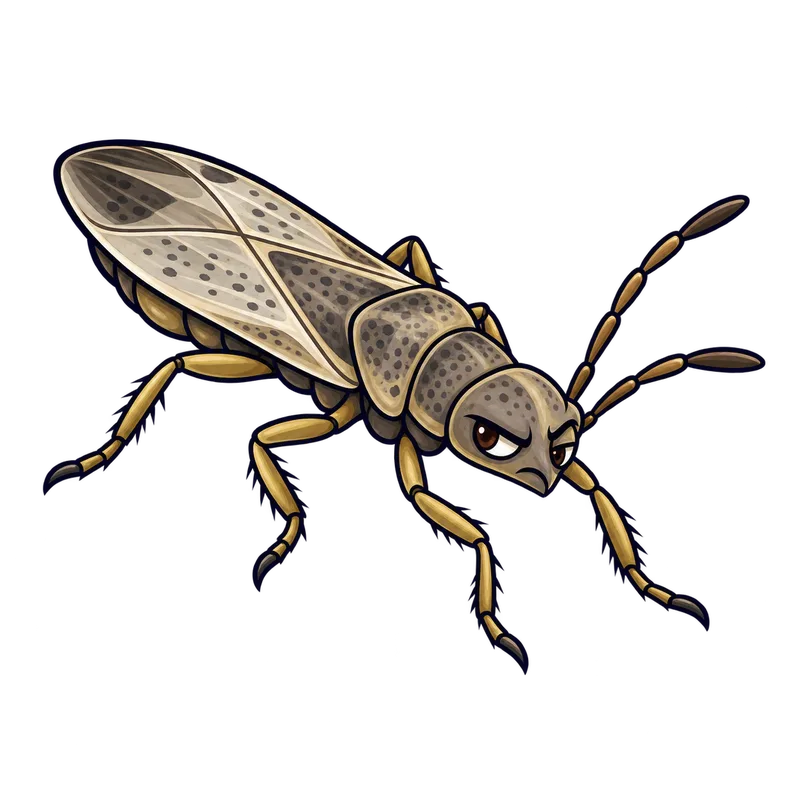
Getting rid of false chinch bugs is usually about waiting out a temporary visit that lasts only a week or two, since chemical sprays are a waste of time. Instead of harsh sprays, keep your doors and windows shut tight, use a garden hose to wash clustered bugs off your exterior walls, and vacuum up any insects that wander indoors.
What is actually going on
You walk out to the back patio on a hot afternoon in early summer, reach for the sliding glass door, and notice the metal track is packed with a moving layer of tiny, dark specks. They look like a handful of coffee grounds that suddenly decided to crawl. By tomorrow, they will probably be clustered by the hundreds on the sun-warmed stucco wall or marching right across your tender vegetable patch.
Getting rid of false chinch bugs is usually less about waging a chemical war and more about waiting out a temporary visit. These slender, grayish-brown bugs are native insects that spend most of their time quietly tucked away in uncultivated pastures and fields. They feed primarily on wild spring weeds like wild mustard. When you get a wet winter and a rainy spring, those weeds grow in abundance, which means the bug population explodes.
The trouble starts when summer heat hits and those wild weeds dry up and die. Left without food or moisture, millions of nymphs and winged adults pack up and move en masse toward irrigated residential landscapes, gardens, and homes in search of water and green foliage. This mass migration is what lands them on your patio. The good news is that these migrations usually last only a week or two, meaning the insects will naturally disperse or die down without requiring drastic measures.
How to tell for sure
Before you start hunting down ways to handle them, you want to make sure you are actually looking at false chinch bugs and not something that requires a different approach. Adult false chinch bugs usually measure about one-eighth to one-sixth of an inch long. They are slender, grayish-brown, and fold their wings flat over their backs in a way that forms a distinct letter X pattern. If you look at them closely, you will notice their wings are mostly clear and lack the dark margin spots found on true chinch bugs.
The young nymphs look quite different from the adults. They are wingless, mottled gray-brown, and lack the bright red body color or white transverse bands that you might see on true chinch bugs or other garden visitors. You also want to rule out bigeyed bugs, which are beneficial predators that look somewhat similar but have much wider bodies and noticeably larger compound eyes. Bigeyed bugs never form massive migrating swarms.
One detail you will discover quickly is that false chinch bugs do not bite or sting humans, and they do not carry diseases. They are strictly plant sap-feeders. However, if you crush them, they emit a sharp, pungent odor similar to a stinkbug, which is why stepping on them indoors is generally a mistake you only make once.
What usually comes next
When a swarm of these insects covers your exterior walls or sneaks under a door frame, the smartest move is simply physical removal instead of breaking out a sprayer. Reaching for a heavy chemical spray outdoors is usually a waste of time and money because new bugs will just march right in from neighboring vacant lots to replace the ones you knocked down.
Focus on exclusion and basic cleanup instead. Keep your windows and exterior doors tightly shut during peak migration times, and check your weatherstripping, especially around sliding patio doors where tiny nymphs love to squeeze through. If they still manage to get inside your living space, skip the indoor bug sprays and just grab a vacuum cleaner. Dump or seal the vacuum bag right away in an outdoor trash can so that sharp smell does not linger in your house.
Outdoors, you can grab your garden hose and use a strong jet of water to wash clustered bugs right off your siding, patio, and foundation walls. If you are worried about your vegetable garden, putting lightweight floating row covers over tender seedlings like radishes, kale, or cabbage creates a physical barrier that keeps the bugs off the leaves while still letting sun and water through. Keeping your yard properly watered also helps plants handle minor sap-feeding without giving up and wilting.
When to get help
While false chinch bugs are mostly a temporary nuisance for homeowners, certain situations call for professional help. If you are managing a commercial orchard or a young planting of stone fruits, almonds, or citrus trees, heavy swarms can cause severe leaf scorching, rapid wilting, and even plant death. In those commercial settings, decisions about targeted agricultural sprays or treatments belong strictly to a licensed commercial pesticide applicator working within state and federal rules.
If you or anyone in your household experiences unexplained skin irritation, rashes, or allergic reactions, do not assume they came from these insects. Always consult a qualified clinician, urgent care center, or regional poison control center for medical symptoms. Similarly, if outdoor pest problems involve wild animals acting strangely or seeking shelter near your home, contact local public health authorities or animal control agencies rather than trying to handle wildlife yourself.