
Are kissing bugs found in Texas?
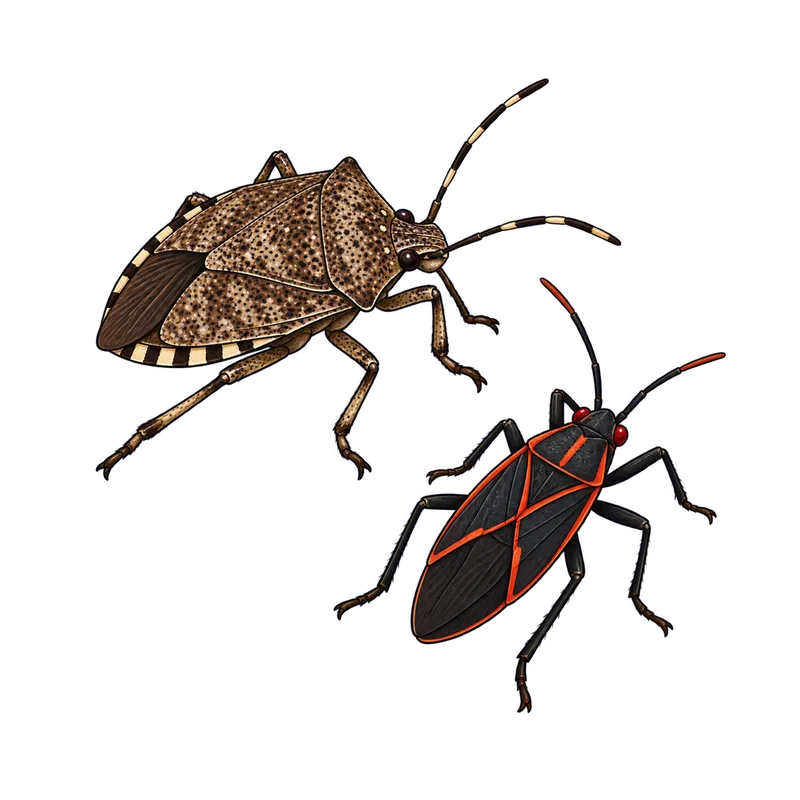
Yes, kissing bugs are found in Texas, as they are native to the state and boast the highest species diversity in the country. The most common visitors measure roughly an inch long and feature distinct cone-shaped heads with striped patterns along their edges.
What is actually going on
You are sitting on the back patio on a warm July evening in Central Texas, listening to the crickets, when a heavy, dark insect flies straight toward the overhead porch light and lands with a sharp thud on the siding. You walk over for a closer look, noticing its cone-shaped head and the faint reddish markings along its sides. A familiar worry creeps in because you have heard the name before. Are kissing bugs actually found in Texas?
The short answer is yes, they are right at home here. Kissing bugs are native to the state, and Texas actually boasts the highest species diversity in the country. Out of the species recognized across the United States, several distinct types are established right here in Texas. The most common visitors you are likely to encounter on a humid summer night measure roughly an inch long and sport those telltale striped patterns along their edges.
The reason people talk about these insects with a mixture of caution and dread comes down to a microscopic parasite they can carry which causes Chagas disease. State surveillance data collected through university and public health programs show that a significant portion of the kissing bugs tested in Texas carry this parasite. That sounds alarming until you look closer at how transmission actually happens. Unlike mosquitoes that inject pathogens directly through their saliva while biting, kissing bugs do something entirely different.
The parasite lives in the hindgut of the insect and is shed exclusively through its feces. Transmission happens only when a person or an animal rubs that infectious excrement into a fresh bite wound, an open skin abrasion, or the mucous membranes of the eyes or mouth. Because North American kissing bugs usually crawl away and defecate after they finish feeding rather than during the act, locally acquired human cases in Texas remain relatively rare. Still, finding them around your house is a good prompt to take sensible precautions.
How to tell for sure
Telling a kissing bug apart from the rest of the six-legged world usually comes down to inspecting a few key physical features, starting with its overall build. An adult kissing bug is usually about the size of a US quarter, ranging from half an inch to over an inch in length. Its head is distinctively long, narrow, and cone-shaped, tapering sharply toward the front tip. If you look at it from the side, you will see a long, thin, needle-like beak tucked flat underneath the head, completely straight and slender.
Coloration usually features a dark brown or black body framed by a flattened outer abdominal border marked with distinctive orange, red, or yellow stripes. Those stripes often trick people into confusing them with harmless insects. Leaf-footed bugs and squash bugs share similar colorful markings, but they usually have broadened, flattened rear legs or wide, shield-shaped bodies. Non-vector assassin bugs look somewhat similar but carry a thick, curved beak designed for subduing other insects rather than piercing skin for blood, and they can deliver a painful defensive stab if mishandled.
One thing you usually cannot spot with the naked eye is whether the insect carries the Chagas parasite. Visual inspection under a magnifying glass can confirm the species, but laboratory molecular testing is required to detect the parasite itself. Nymphs, which are the immature wingless stages, range from the size of a poppy seed to nearly an inch long, and finding them indoors usually suggests a nearby hiding spot rather than a random outdoor visitor.
What usually comes next
When you spot one of these insects on your porch or crawling across the living room rug, your immediate decision usually centers on safe removal without risking exposure. The golden rule here is simple: never touch a kissing bug with bare hands and never crush or squish it under a shoe or a tissue. Smashing the bug ruptures its gut, which can spread infectious waste onto your skin or household surfaces.
Instead, practice the bag-and-invert method. Slip a plastic sandwich bag over your hand like a glove, gently pick up the insect, turn the bag inside out around it, and seal it tightly. If you prefer using a container, slide a rigid plastic vial over the bug using a gloved hand or a piece of cardboard. Once the bug is safely sealed inside, place the container in the freezer for several hours to humanely kill it and preserve it for potential testing by a public health agency or university program.
After you have secured the bug, take a moment to disinfect any hard surfaces it might have touched using a basic household bleach solution made of one part bleach to nine parts water. Wash your hands thoroughly with soap and water even though you wore protection. Deciding to trap and freeze the specimen gives you options for identification without creating a messy hazard in your home.
When to get help
There are moments when dealing with these insects moves past a simple DIY backyard chore and requires outside expertise. If you find multiple kissing bugs inside your living spaces, or discover wingless nymphs tucked into a crawl space or attic, you should contact a licensed pest control professional who relies on integrated pest management principles to locate and secure harborages. Total-release bug bombs from the hardware store are usually a bad idea because they fail to penetrate deep hiding spots and often just scatter the insects further into the house.
Medical concerns require immediate professional attention from a healthcare provider. Anyone who experiences a severe allergic reaction after an insect bite, such as sudden difficulty breathing, facial swelling, widespread hives, or a racing pulse, needs emergency medical care right away. If you suspect you have been bitten under suspicious indoor circumstances or are worried about exposure, consult a qualified clinician or local health department for guidance and potential blood testing. Never try to diagnose an infection based purely on a skin mark or a photograph of a bug.
For specimens found indoors or associated with a known bite, you can coordinate with state health services or local health units for proper submission protocols. If you find bugs outdoors away from people, academic initiatives and community science programs welcome submissions for research and mapping. Let the scientists handle the testing while you focus on sealing up your home.