
What do squash bug eggs look like on leaves?
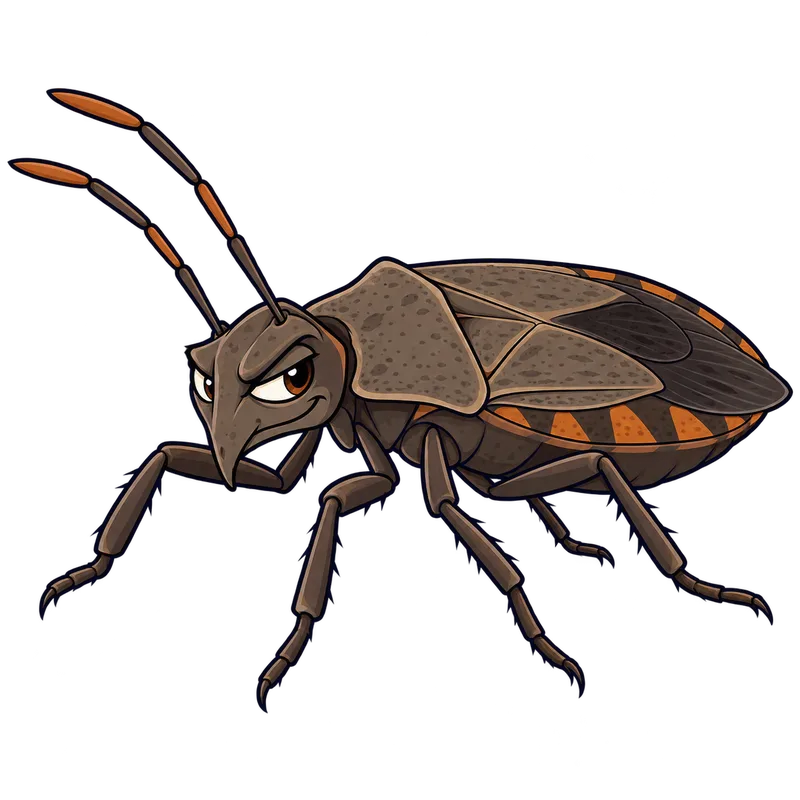
Squash bug eggs look like tiny, oval-shaped objects that resemble miniature bronze beads or polished copper pennies glued in a neat cluster. Female squash bugs cement these tidy, aggregated patches directly onto the undersides of host plant foliage, such as squash, pumpkin, watermelon, and cantaloupe leaves.
What is actually going on
You are standing in the middle of the garden with a cup of coffee, admiring the way your zucchini plants have really taken off after last week's rain. You flip over a broad, rough green leaf to check things out and freeze. Sticking to the underside of the leaf is a neat little patch of tiny, oval-shaped objects that look a bit like miniature bronze beads or polished copper pennies glued in a cluster. You are looking at squash bug eggs.
Female squash bugs do not scatter their eggs around randomly or drop them singly like an afterthought. They take the time to cement them in tidy, aggregated clusters right on the host plant foliage. When you first spot them, they might not jump out at you, but once you know what to look for, those patches stand out against the green background. While they show a strong preference for squashes, they will also target other members of the cucurbit family like pumpkins, watermelons, and cantaloupes.
What is actually happening inside those tiny shells is a countdown to a breakout. As the embryos develop inside the eggs, they undergo a color progression. Just before they are ready to hatch, those shapes take on a distinct coppery brown look. That color change is your visual cue that hatching time is imminent, and you are about to host a new generation of sap-sucking pests.
How to tell for sure
If you want to be certain you are dealing with squash bugs and not some other garden visitor, you usually need to look closely at the leaf undersides. Stink bugs also lay eggs in clusters, but their eggs are typically barrel-shaped and often show up in much larger groupings of twenty to seventy. Colorado potato beetles lay bright yellow eggs, but they generally prefer hanging out on solanaceous crops like tomatoes, potatoes, or eggplants rather than your squash patch.
When you find a cluster of coppery brown eggs on a squash leaf, a ten times magnification pocket magnifier can help you take a closer look, especially if you are trying to figure out whether the eggs are still viable, already hatched, or empty husks. Once those eggs do hatch, the timing rolls right along into the next stage. The newly emerged nymphs look remarkably pale green at first. As they feed and grow through their developmental stages, their color shifts to a dusty ash-gray before they finally turn into the dark brown or black adult bugs you might recognize later in the season.
What usually comes next
Finding those egg clusters forces you to make a practical decision right then and there. If you ignore them, those tiny green nymphs will hatch and immediately start feeding by piercing plant tissue and sucking out the sap. That direct feeding causes the leaves to wilt, poor fruit growth, and fruit rot. Gardeners sometimes confuse this sap-sucking damage with bacterial wilt, a completely different disease that is actually spread by cucumber beetles rather than squash bugs.
You can reach for a pair of garden gloves and simply scrape or crush the egg clusters right on the leaf, or snap off the heavily infested leaves and drop them into a bucket of soapy water. If you prefer a physical defense for the future, gardeners often rely on floating row covers from the moment they plant seeds or set out transplants, keeping the adults from reaching the plants in the first place. Planting your cucurbits a bit later, around mid-June, also helps crops avoid the peak spring egg-laying period. Just remember that those covers have to come off as soon as the first blossoms open, because bees and other pollinators need access to the flowers to set your crop.
When manual removal is not enough and you decide to use an approved home garden treatment like insecticidal soap, kaolin clay, pyrethrins, or permethrin, you have to spray the undersides of the leaves directly to hit the pests and egg masses. Spraying just the top canopy misses the target entirely, and product label rules govern every single chemical or organic application you make.
When to get help
Most of the time, managing squash bug eggs and nymphs is a standard part of tending a backyard vegetable patch. However, there are moments when you need outside reinforcement.
If your squash vines experience sudden, catastrophic wilting and collapse across the whole bed, but you cannot find any squash bugs or cucumber beetles to blame, you might be dealing with something deeper. When plants fail mysteriously despite your best efforts, you should take plant tissue samples to a local university extension office or diagnostic laboratory to test for hidden vascular pathogens or root diseases.
If you are managing a commercial operation, or if you ever experience accidental chemical exposure or adverse health symptoms while handling garden pesticides, you must contact a licensed clinician, an urgent care facility, or your regional Poison Control center right away. Commercial pesticide applications or restricted-use chemical decisions always belong exclusively to licensed pesticide applicators.