
What can you do when a stink bug wakes up indoors in winter?
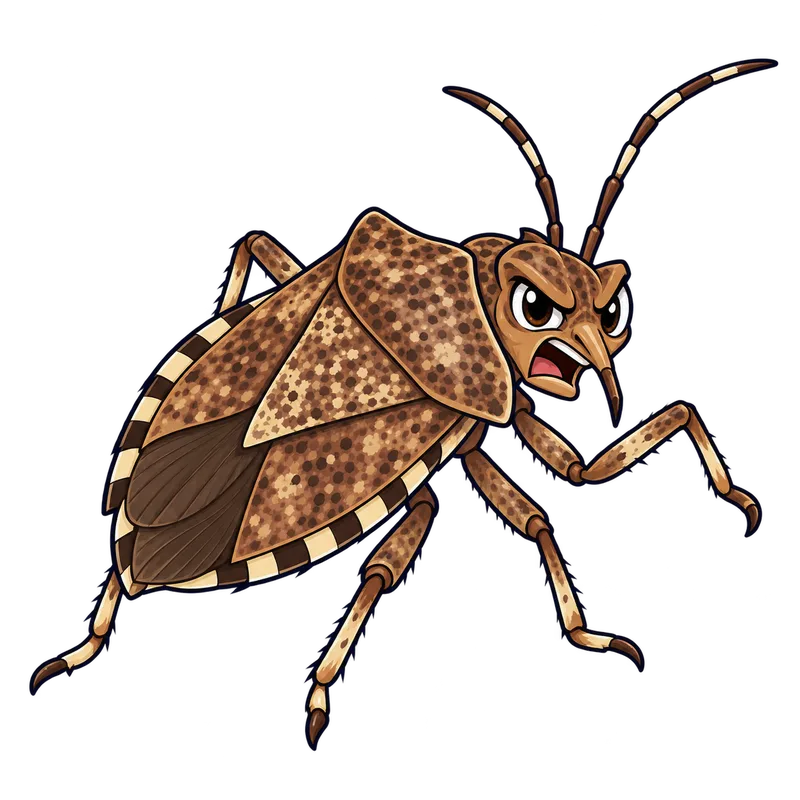
When a stink bug wakes up indoors in winter, you can gently brush the insect into a dustpan and drop it into water mixed with dish soap. Another option is using a vacuum cleaner with a nylon stocking secured inside the wand to catch the bug without releasing its pungent odor.
What is actually going on
Picture this. It is a freezing Tuesday in January, and you are sitting on the couch watching television when you hear a heavy, clumsy buzzing sound near the window. You look over, and a large, armored bug the shape of a medieval shield is stumbling across your living room wall. It is a stink bug, and it woke up from a long winter nap right in the middle of the coldest month of the year.
You might wonder how a bug manages to show up inside a sealed house when there is snow on the ground outside. Stink bugs do not actually live inside your walls all summer, nor do they chew their way in from the yard during winter. Instead, they crawled into your home back in the autumn. When the weather started turning crisp, adults of species like the brown marmorated stink bug looked for a dark, sheltered spot to sleep through the cold months, sliding right through tiny gaps around window frames, soffits, and siding.
Once inside, they tucked themselves deep into unheated wall voids or attic spaces to stay dormant. The trouble starts when your household heating system kicks on, or when a rare sunny winter afternoon bakes the exterior walls of your house. That artificial warmth penetrates the wall cavities and acts like a false alarm clock. The heat tricks the sleeping insect into thinking spring has finally arrived.
Disoriented and trapped inside the framing, the bug starts wandering toward light and warmth, eventually emerging from behind a baseboard or an electrical outlet into your living room. Because they are trapped inside a heated building, they cannot simply walk back outside, which leaves you to deal with an uninvited guest that has nowhere else to go.
How to tell for sure
Most of the time, the bug crawling across your ceiling or curtain is a brown marmorated stink bug, which usually measures about five-eighths of an inch long. It has a distinctive five-sided, shield-shaped body with a mottled brown and gray coloring that helps it blend into tree bark outdoors. You might occasionally spot other varieties, such as bright green stink bugs or native brown types that wander indoors from nearby gardens or orchards, but their general shape remains unmistakably broad and flat.
People often worry that these insects are gnawing on the framing, eating pantry supplies, or reproducing behind the drywall. Fortunately, that is usually not what is happening. Stink bugs possess piercing-sucking mouthparts built exclusively for drinking plant sap, meaning they cannot chew wood, drywall, fabrics, or stored food.
They also do not bite humans, sting, or lay eggs inside your home during the winter because they remain in a state of deep reproductive rest called diapause until spring returns outdoors. Their only real talent is creating a terrible smell. When they are startled, handled roughly, or crushed, their thoracic scent glands release a pungent chemical compound that smells remarkably like sharp coriander or gym socks.
What usually comes next
When you spot one of these insects wandering across your living room, your first impulse might be to grab a magazine or reach for a can of household bug spray. That reaction typically causes more headaches than it fixes. Spraying chemical bug killers inside your rooms does almost nothing to reach insects hiding deep within the walls, and it merely leaves unwanted residues right where you and your family spend time. Crushing the bug is an even worse idea because it lets loose that infamous defensive stench right in your living space.
The easiest way to deal with an active indoor stink bug is to simply move it physically. You can gently brush the insect into a dustpan and drop it straight into a container of water mixed with a few drops of dish soap, which removes the surface tension so the bug sinks and perishes without a fuss.
If you would rather use a vacuum cleaner, a neat trick keeps your machine from smelling like a crushed herb garden for a month. Push a nylon stocking down inside your vacuum wand, stretch the open top back over the outside of the tube, and fasten it tight with a rubber band. When you vacuum up the bug, it lands safely in the nylon pouch and never touches the inside of the vacuum or the dirt bag. After that, you just pull the stocking off, tie it in a knot, and toss it into soapy water.
When to get help
While scooping up a stray bug with a piece of paper or a vacuum is usually a simple weekend chore, some situations demand professional backup. If your house faces massive yearly invasions where hundreds or thousands of bugs stream out of light switches and wall spaces every time the heater clicks on, hiring a licensed pest control expert makes sense. They can figure out where the insects are getting in and decide if exterior barrier sprays applied back in late summer would work for your particular property.
You might also want to bring in a pro if the gaps letting the bugs inside sit high up on multi-story rooflines, tall gable vents, or steep architectural peaks that demand proper ladders and safety harnesses to reach. Trying to balance on a slippery roof in freezing weather to squeeze caulk into cracks is a serious fall hazard best left to someone equipped for the job.
If you live in a place where invasive agricultural pests fall under strict biosecurity laws, such as certain regions in Australia or New Zealand where the brown marmorated stink bug is viewed as a serious agricultural threat instead of a minor annoyance, the rules are completely different. Spotting a suspected specimen in those areas means you need to trap the insect safely in a sealed jar, put it in the freezer to keep it intact, and call your national agricultural biosecurity hotline straight away instead of treating it like a normal house bug.