
Are chinch bugs causing brown patches in a Florida St. Augustine lawn?
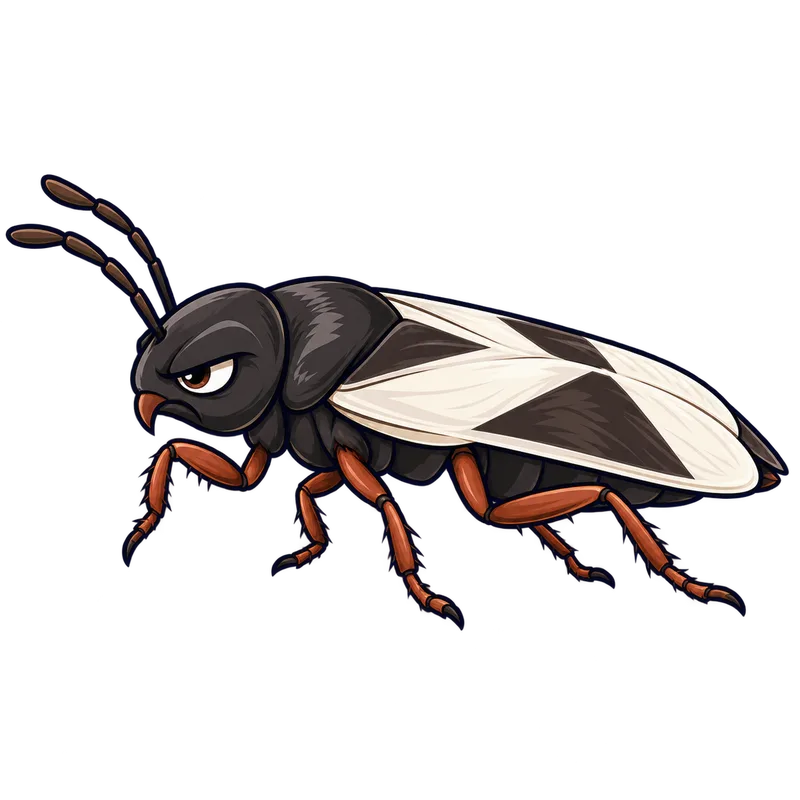
Yes, southern chinch bugs are likely causing the brown patches in a Florida St. Augustine lawn. These pests feed on plant sap and inject a toxic fluid that blocks water and nutrients from moving upward. You can confirm their presence by running a simple water flotation test at the border of the dead grass.
What is actually going on
Picture yourself walking out to inspect the yard on a bright Saturday morning, cup of coffee in hand, only to notice a dull, straw-colored patch right where the lawn meets the hot concrete of the driveway. You ran the sprinklers last night, so you figure it is just a stubborn dry spot. But a week later, that small blemish has doubled in size, turning into a matted, melted brown zone that refuses to green up no matter how much water you throw at it. If your turf is St. Augustinegrass down in Florida, you are likely looking at the handiwork of the southern chinch bug.
These tiny pests do not chew the blades of grass the way caterpillars or beetles might. Instead, both the adults and their wingless, brightly colored nymphs use piercing mouthparts to tap directly into the internal plumbing of the plant. As they feed on the sap, they inject a toxic fluid that acts almost like quick-setting cement poured down a home water pipe. Even if your irrigation system is running at full blast, that fluid permanently blocks the plant from moving water and nutrients upward. The turf desiccation that follows creates those expanding dead patches, usually thriving right out in the blazing, sun-baked areas of the yard rather than in cool, shady corners.
How to tell for sure
Do not trust a visual glance alone when trying to pin down the culprit. A handful of other lawn problems can easily mimic chinch bug damage, so you need a reliable way to separate them. White grubs, for instance, will shear off the root system entirely, leaving the sod feeling loose enough to roll back like an old area rug. Mole crickets make the soil feel spongy and leave behind squiggly, raised underground tunnels that make your boots sink. Fungal brown patch usually prefers cool, wet weather and leaves circular rings with dark borders, whereas chinch bugs love a heatwave.
The most dependable way to confirm chinch bugs is to run a simple physical flotation test right at the active boundary where the brown dead grass meets the still-green turf. Grab a metal coffee can with both ends removed and press it a couple of inches down into the soil. Fill it with water and keep the level steady for about five to ten minutes. If chinch bugs are present, they will float right to the top where you can count them. If you see tiny black adults with white wings folded in an X shape, or small red nymphs sporting a white band across their backs, you have your answer. When you perform multiple tests across the yard and count zero bugs, you usually need to look toward fungal pathogens or drought stress instead.
What usually comes next
Once you find enough bugs to cross the line where the grass starts taking real damage, you have to decide what to do next. Spraying chemicals without checking first is just a fast way to burn cash, kill off the helpful predatory insects that eat them, and breed bugs that do not care about your spray. These southern chinch bugs are notorious for shrugging off older treatments, so a random bottle from the garage shelf will likely leave them untouched.
When you do need to use a spray, switch up the active ingredients so you are not hitting them with the same thing every time. Give the lawn a good soak the day before you apply anything to keep the grass from scorching, and read the label to see if you need to wash the product down into the thatch or leave it sitting on top. Because these pests hide deep down where the grass meets the soil and hatch in waves, you often need a second round a couple of weeks later to get the ones that hatched out after the first pass.
When to get help
Sometimes a weekend do-it-yourself project is simply not going to cut it, and you need to hand the job over to someone else. If you have already tried the standard fixes and watched the bugs laugh them off because they are immune, or if half the yard is already dead, you are looking at a complete lawn replacement rather than a simple spray job. Big yards and commercial properties also need heavy-duty equipment and professional know-how to get the job done right.
Keep safety front and center before you touch any chemicals. Many strong insecticides can only be bought and used by people with a proper license. On top of that, these products come with serious warnings because they are brutal on fish and other water life, meaning you cannot let runoff wash into street drains or local ponds. If you have a cat, be extra careful since certain common bug killers are seriously toxic to felines, and you will need to keep your pets off the grass until every last trace of moisture has dried up completely.