
Are boxelder bugs in Ontario homes a seasonal entry problem?
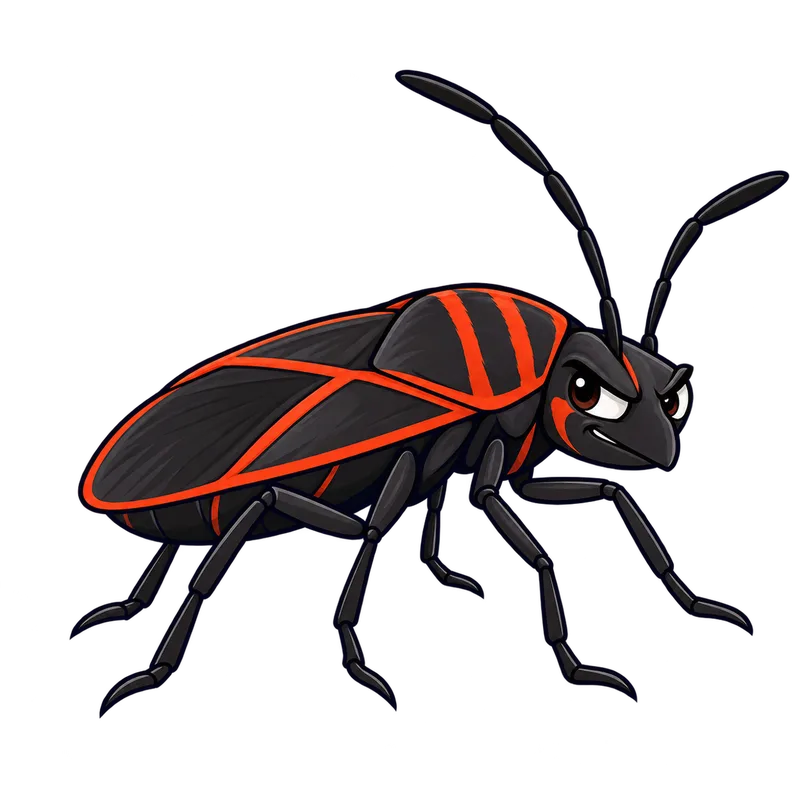
Yes, boxelder bugs in Ontario homes are a seasonal entry problem because adult populations aggregate on warm exterior building surfaces in late summer and autumn to find cracks for overwintering inside structures. As temperatures drop, these half-inch, dark insects with distinctive red lines follow solar radiation and slip through tiny gaps to spend the cold months in wall cavities.
What is actually going on
Picture stepping out onto your back porch on a crisp Tuesday afternoon in late September. The air smells like autumn, and you notice a slow-moving crowd of dark insects with striking red lines marching across the warm bricks of your south-facing wall, soaking up the last real heat of the year. You might wonder how a few of them turned into a hundred overnight.
Yes, boxelder bugs are a classic seasonal entry nuisance pest in Ontario and throughout temperate North America because adult populations aggregate on warm exterior building surfaces in late summer and autumn searching for cracks and voids to overwinter inside structures. They spend the warmer months quietly feeding on the leaves and fallen seeds of female boxelder trees without causing any real harm to the plants. But as the daylight shortens and the temperature drops, their survival instincts kick in. They look for solar radiation, find your sun-baked siding or stone foundation, and follow the warmth right through every tiny gap they can find.
Once they slip behind the siding or crawl through a loose window frame, they settle into wall cavities for a long, quiet winter sleep. The trouble is that your central heating, or a random warm patch of winter sunshine hitting the exterior wall, can fool them into thinking spring has arrived early. That is when you find them stumbling across your living room rug in January, looking thoroughly confused and seeking light.
You might object that sealing every crack in an old house sounds impossible, so why not just spray the whole exterior and be done with it. The reality is that chemistry alone cannot compensate for a wide-open building envelope, and chasing an entire migration with a can of spray indoors usually leaves you with stained walls and a stubborn chemical smell rather than a solution.
How to tell for sure
Adult boxelder bugs are usually about half an inch long, flattened, and elongated, sporting a dark grey to black body marked with distinct red or orange-red lines along the edges of their back and thorax, paired with bright reddish eyes. Younger nymphs are smaller and look distinctly bright red or reddish-orange as they crawl around on host trees during the summer. You usually do not need any special equipment to spot them, as they sit out in the open on sunny days, though a simple ten-power hand lens will let you look closely at their piercing mouthparts if you are curious.
You can usually tell them apart from similar bugs by those sharp red markings on their outer frame. If you find a dark, flat insect marching across your indoor baseboards in the dead of winter with reddish stripes, it is almost certainly one of these overwintering guests rather than a wood-boring beetle or a destructive termite. They do not chew through your framing timber, they do not eat your pantry food, and they do not bite people or pets, which separates them from actual structural menaces.
What usually comes next
Your best move is physical exclusion, which means sealing up structural gaps around window sashes, foundation cracks, soffit vents, and utility pipes before late August rolls around. Caulking the exterior and repairing torn window screens stops the migration before it starts, acting much like locking your front door before a storm blows in.
If they have already made it inside your living space, skip the indoor chemical foggers and reach for a dry vacuum cleaner or a simple broom and dustpan. Vacuuming them up individually is fast, but you must avoid crushing them by hand on carpets, drapes, or upholstered walls, because their body fluids leave permanent reddish-orange stains and a pungent defensive odor.
If you prefer an outdoor preventive barrier, apply a liquid perimeter treatment in mid-to-late August before the bugs congregate heavily on the walls. Spray roughly three feet up the exterior foundation and three feet outward onto the soil or mulch bed. Never apply those products to concrete walkways, asphalt driveways, or other hard surfaces where rain can wash the chemical straight into storm drains, and steer clear of treating any area when active pollinators are buzzing around flowering plants. Keep in mind that active ingredients found in standard agricultural or extension guides must always be checked against current Health Canada Pest Management Regulatory Agency registrations if you are living in Ontario, since local rules govern what you can legally buy and apply.
When to get help
You should bring in a licensed pest control professional when your home has high-elevation exterior walls that require commercial extension equipment to treat safely, or when you are dealing with a massive commercial building envelope that needs extensive sealing beyond a DIY weekend project.
Reach out to local municipal property standards or environmental agencies if you spot improper commercial pesticide applications near water runoff zones or storm drains. If you or someone in your household experiences unusual health symptoms, severe skin irritation, or unexpected allergic reactions after handling insects or chemical products, stop what you are doing and consult a qualified medical clinician or your regional poison control center right away.