
What are kissing bugs?
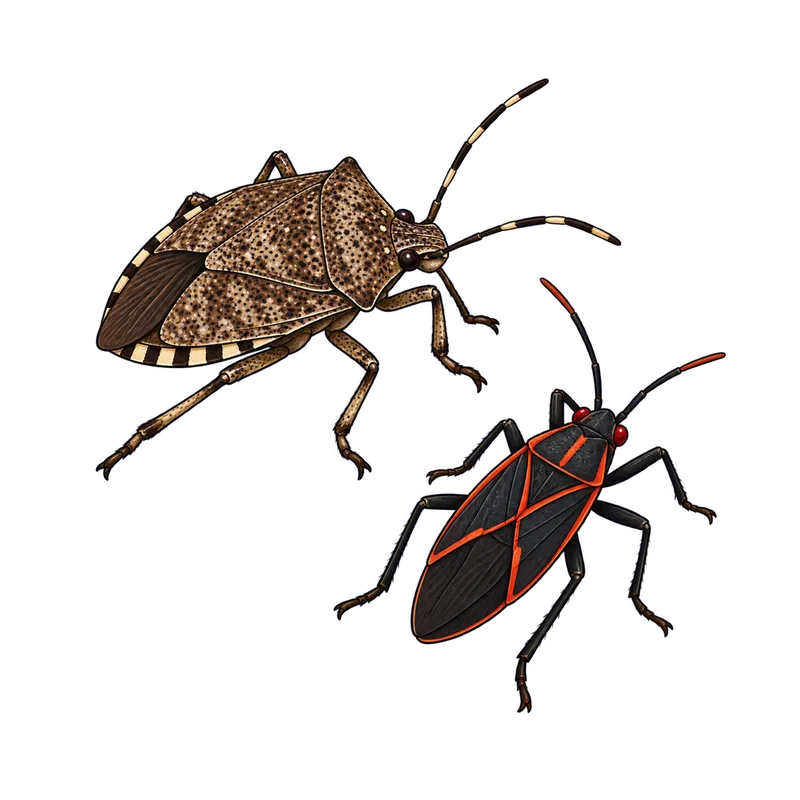
Kissing bugs are nocturnal, blood-feeding insects belonging to the assassin bug family. They measure between one-half and one and one-quarter inches long, featuring a flattened dark body, reddish stripes along the edges, and a distinct cone-shaped head.
What is actually going on
You turn off the porch light, walk inside from the warm summer evening, and notice a fairly large insect clinging to the screen door. It looks roughly the size of a quarter, boasts a flattened dark body with reddish stripes along the edges, and has an unmistakable cone-shaped head. If you live in the southern or western United States, you might be looking at a kissing bug.
So what are kissing bugs, really? They are nocturnal, blood-feeding insects belonging to the subfamily Triatominae, which places them in the wider assassin bug family. Unlike their predatory cousins that hunt other insects in the garden, these bugs rely exclusively on vertebrate blood meals across all their mobile life stages to grow and reproduce. People often wonder where the name comes from, and the answer is less romantic than it sounds. These insects earned their common nickname because they tend to bite sleeping people on exposed skin, frequently around the face and thin areas near the lips or eyes.
The real concern surrounding these insects is not the bite itself, which is typically painless, but what can happen afterward. Certain kissing bugs can carry a microscopic parasite called Trypanosoma cruzi, which causes Chagas disease. Yet it helps to keep some perspective on how this transmission works. The parasite does not live in the bug saliva, meaning a bite alone does not inject the infection into your bloodstream. Instead, the insect often defecates while feeding or shortly afterward. Transmission happens only if those infectious droppings are accidentally rubbed into the bite wound, a scratch, or your eyes.
While the idea of a parasite-carrying bug sounds alarming, finding a single adult insect on your porch light does not mean you have an infestation or an active disease risk. In North America, most encounters involve stray adults that wandered indoors simply because they were drawn to artificial lighting at night. Vector efficiency here is generally lower than in rural tropical regions with mud-walled homes, but knowing what these bugs look like and how to handle them keeps the situation firmly under control.
When a kissing bug enters a living space, the event usually represents an isolated encounter with a nocturnal wanderer rather than a structural invasion. Understanding the underlying biology of these insects helps explain why they appear near homes. Adult kissing bugs have wings and are capable of weak flight, which brings them into direct contact with human dwellings when exterior lights burn brightly through the night hours. The warmth and illumination act as a beacon, drawing them away from wild animal nests and brush piles where they naturally shelter alongside competent mammalian hosts like woodrats, raccoons, and opossums.
How to tell for sure
Before you worry about pest control, you need to know what you are looking at. Many harmless garden insects share similar colors and sizes, which frequently leads to mistaken identity. True kissing bugs usually measure between one-half and one and one-quarter inches long. They possess a flattened body, long and thin legs without swollen joints, and an elongated, cone-shaped head. If you look closely, you will notice a straight, needle-like mouthpart tucked flat underneath the head when the bug is resting. Most species found in the United States also display distinct red, orange, or light brown stripes along the flared outer edges of their abdomen.
One common trap is confusing kissing bugs with wheel bugs or other predatory assassin bugs. Those predatory species have a thick, curved beak designed for stabbing caterpillars and beetles, and their defensive bite is instantly and sharply painful. Kissing bugs, by contrast, have a straight, slender beak and usually deliver a painless bite so the host does not wake up while they feed. You might also mistake them for harmless leaf-footed bugs or boxelder bugs, which often seek shelter indoors during cooler weather.
Another frequent mix-up happens with bed bugs and bat bugs. Those tiny pests are flat, oval, and rarely larger than an apple seed, whereas even a young kissing bug nymph can range from the size of a poppy seed up to nearly an inch long as it matures. Because insect bites on human skin can look remarkably similar regardless of the cause, skin marks or photographs alone can never provide a reliable identification. You usually need to inspect an intact physical specimen to know for sure. If you suspect you have found one, do not touch it with bare hands and never crush it, as squeezing the insect can release internal fluids. Instead, use a gloved hand or invert a plastic bag over the bug, drop it into a sealed container, and place it in the freezer. Wipe down any nearby surfaces with a ten percent bleach solution.
What usually comes next
When you find a suspicious insect inside your home, your best practical decision is to figure out whether you are dealing with an accidental visitor or a resident population. Finding a single winged adult crawling near a window or door on a warm night usually means the bug flew in from the outside, drawn directly to your indoor lighting. You can simply capture it safely, seal it away, and check your window screens for tiny tears.
On the other hand, finding wingless immature nymphs indoors, or discovering multiple adult bugs over consecutive nights, changes the situation completely. Nymphs cannot fly, which means they hatched from eggs laid somewhere inside the structure or right outside near a foundation wall. That sort of recurring pattern calls for a closer inspection of structural voids, attics, or animal nesting sites around the property.
Homeowners often rush to buy heavy sprays at the hardware store, but there are no consumer pesticides registered specifically for eliminating kissing bugs. Standard chemical treatments for general crawling pests must always be applied strictly according to the product label, and dumping random chemicals around your living space rarely solves the root cause. The most effective path forward focuses on exclusion. You can keep these insects outside by sealing gaps around doors and windows, repairing torn screens, clearing away heavy brush or leaf litter from the immediate foundation, and turning off unnecessary outdoor lights during peak summer months.
When to get help
There are moments when handling the situation yourself is no longer appropriate, and you need to bring in outside expertise. If you find multiple bugs indoors or suspect an active breeding population hiding in wall voids or crawl spaces, you should involve a licensed pest control operator experienced in structural exclusion and integrated pest management.
Wildlife considerations also come into play. If kissing bug activity around your home is linked to roosting bats in your attic or chimney, you must remember that bats are protected under federal and state laws. You cannot legally trap, poison, or displace them with standard do-it-yourself methods. Safe and legal exclusion requires a licensed wildlife specialist who knows how to use one-way doors during specific seasonal windows.
Medical evaluation becomes necessary under distinct circumstances. If an insect bite triggers severe allergic symptoms such as difficulty breathing, facial flushing, wheezing, or dizziness, seek emergency medical care immediately for potential anaphylaxis. For anyone with a confirmed exposure to kissing bug feces or a verified bite who later develops persistent fatigue, fever, swollen lymph nodes, or unexplained swelling around the eye, a consultation with a physician or infectious disease specialist is essential for proper diagnostic testing. If you ever experience an accidental exposure to pest control chemicals or household disinfectants, contact your national Poison Control center without delay.