
How can you help prevent kissing bugs around a home?
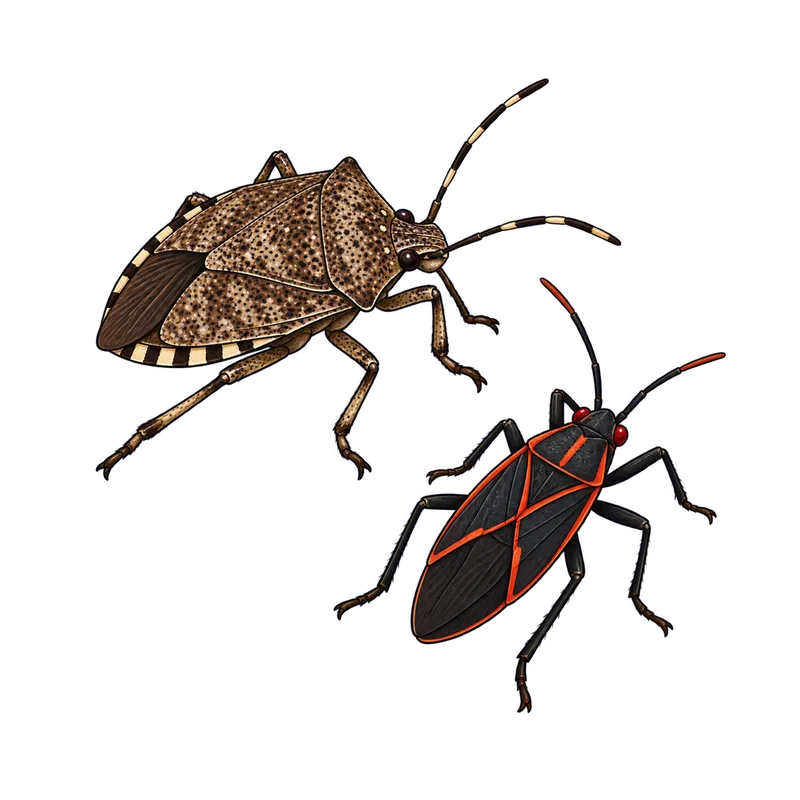
Helping prevent North American kissing bugs around a home requires physical structural exclusion, outdoor nighttime light management, peridomestic harborage removal, and wild rodent control. You can stop these blood-feeding insects by sealing gaps and cracks, cleaning up brush piles near your foundation, turning off outdoor lights, and removing nearby wild animal nests.
What is actually going on
You are sitting on the back porch on a warm July evening, watching the moths slam against the overhead light, when a much larger, darker insect lands with a heavy thud near your shoe. It looks slightly sinister with its banded edges, and if you live across the southern or western parts of the country, you might wonder if you are looking at a kissing bug. Preventing these blood-feeding insects from taking up residence near your living space is not a matter of buying a magic spray off the shelf. Instead, stopping them requires an integrated approach that focuses on physical structural exclusion, outdoor nighttime light management, peridomestic harborage removal, and wild rodent control.
Unlike indoor pests such as bed bugs that establish permanent colonies in your mattress, North American kissing bugs are primarily sylvan and peridomestic. They live outdoors in natural harborages like woodrat nests, rock piles, animal burrows, and brush, maintaining a wild life cycle away from human dwellings. They only become a household problem when they wander out of their natural habitats. Two main environmental factors drive them toward human habitations. First, adult bugs possess functional wings and are drawn in by artificial security and porch lights on warm nights. Second, they simply disperse from outdoor wild host nests looking for a blood meal.
Preventing them comes down to breaking that bridge between the wild outdoors and your indoor living areas. You want to make your home envelope as tight as a drum so that a wandering bug cannot find an easy way inside. At the same time, you need to clean up the immediate perimeter of your property so the bugs find no shelter or food sources near your foundation. When you manage outdoor lights and eliminate the wild mammals that carry parasites, you remove the primary incentives for these insects to hang around your doorways.
How to tell for sure
People often panic when they spot any large, dark bug with orange or red markings on its edges, assuming it is a kissing bug. But accurate identification usually requires looking at specific anatomical details rather than relying on general color patterns alone. True kissing bugs, or conenose bugs, generally measure between half an inch and an inch and a quarter in length, roughly the size of a coin. They feature a distinct cone-shaped head, thin antennae, and a long, straight, needle-like mouthpart tucked neatly underneath the chin like a tiny straw.
You can usually tell them apart from look-alikes by checking that mouthpart and body shape. Harmless plant-feeding leaf-footed bugs and predatory assassin bugs, such as the wheel bug, often share similar color bands along their abdomen. However, predatory assassin bugs have a short, thick, curved beak that inflicts an immediate and intensely painful bite if handled. Kissing bug bites are usually painless because their slender proboscis feeds on sleeping hosts without causing an immediate sensation.
Species variation also depends heavily on your region. In the eastern and southern states, you are usually looking at the eastern conenose bug, which is about an inch long with dark red or orange lateral stripes. In Texas and the south-central states, another common species features bright yellow-orange checkered markings along its margins. Out west in California and Arizona, species tend to be a bit smaller and darker, sometimes featuring a single pale tan band. Finding a single winged adult near a porch light usually indicates an opportunistic flier drawn to illumination, whereas finding wingless nymphs, which cannot fly, usually suggests a nearby breeding source.
What usually comes next
Once you spot a kissing bug on your property, your best move is fixing up the house instead of hunting for miracle sprays in the store aisle. You will not find any bug killer on the shelf labeled just for kissing bugs. While pros can spray around the outside walls, chemicals will never fix a sloppy gap in your wall. Your time goes much further when you simply block the paths these bugs use to march from the yard into your living room.
Go outside every spring and check your doors, windows, and where pipes enter the house. Put solid door sweeps and fresh weather stripping on every door that leads outside. Check your window screens for tiny rips because even a small hole lets a crawling insect right through. Fill cracks in the foundation or gaps around brickwork with good caulk or copper mesh, and keep your fireplace flue shut tight when the hearth is empty.
Outside, keep a thirty-foot strip around your home clean by raking up leaves, brush, and piles of stone. If you keep firewood, lift it off the dirt and set it far away from the house walls. Switch off outdoor lights on warm summer nights, or change bright white bulbs to yellow ones that do not draw flying bugs. Bring your pets indoors for the night and keep their outdoor sleeping gear clean and off the ground. If you need to catch one, never touch it with your bare skin, but use a plastic bag or glove to drop it into a sealed jar, freeze it to kill it safely, and wipe down any spot it touched with a bleach and water mix.
When to get help
There are times when sealing gaps yourself is not enough and you need to call in a professional. If you find young wingless bugs indoors or spot several adults crawling around your living spaces or pet areas, you should reach out to a licensed pest control operator. These specialists know how to apply targeted chemical treatments safely around high-risk foundations, roof edges, and detached sheds.
You should also bring in experts when dealing with wild animals nesting near your home. Getting rid of wild rodents, opossums, raccoons, or bats living in your attic or under a deck means following strict local and federal wildlife laws. Because animals like bats have legal protections, keeping them out requires following specific seasonal rules and using specialized one-way exit doors, which makes a licensed wildlife removal expert necessary.
On the health side, you need to know when to see a doctor or get emergency help. If a kissing bug bites you, or if you accidentally crush one against your skin, wash the area well with soap and water and call your doctor or local health department for advice. Never try to figure out what bit you just by looking at a photo or a mark on your skin. More seriously, some people suffer severe, life-threatening allergic reactions to the saliva of these bugs. If you break out in hives, feel dizzy, or struggle to breathe, call nine one one or get to the nearest emergency room right away. Finally, if you need a confirmed identification or want to test a bug for parasites, send your captured specimen or a clear photo to your state health department or a university agricultural extension program.