
What do kissing bug bites look like?
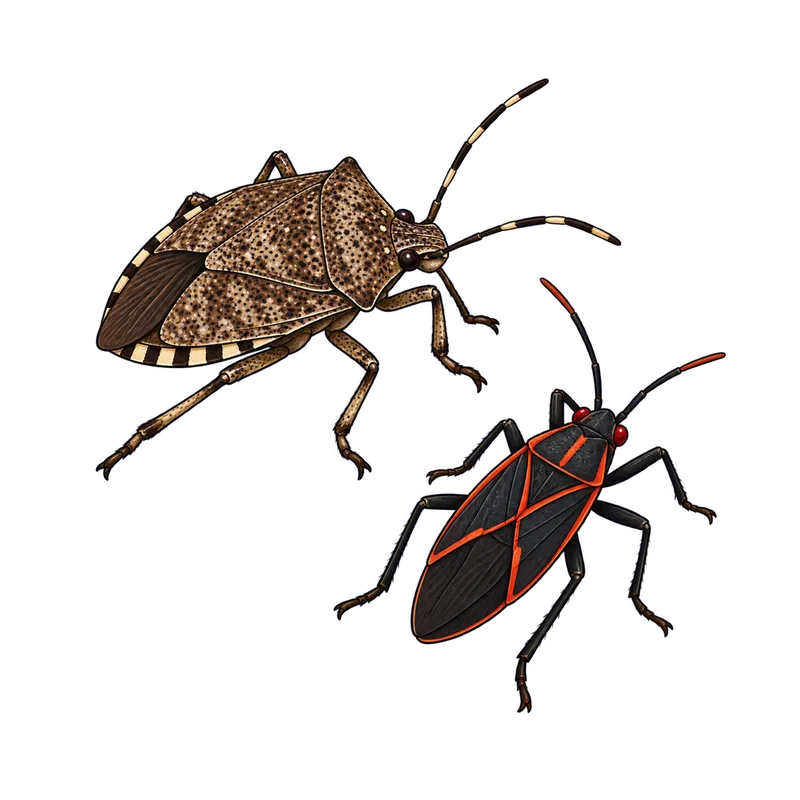
Kissing bug bites do not have a unique look and appear as non-specific red spots, flat red patches, or itchy bumps on exposed areas like the face, neck, arms, and hands. Whether a person develops a visible red welt after a day or two depends entirely on their immune system responding to foreign proteins in the insect saliva.
What is actually going on
You wake up on a warm Tuesday morning, stretch, and catch a glimpse of a pink, slightly raised welt on your forearm. It itches fiercely. Naturally, your mind races through every bug you have ever encountered, and you wonder if that strange night-flying insect you spotted near the porch light last night finally found its way to you.
Kissing bug bites do not have a unique look that sets them apart from anything else. You cannot simply glance at a red bump on your skin and declare it a kissing bug bite. They usually show up as non-specific red spots, flat red patches, or itchy bumps on exposed areas like your face, neck, arms, and hands.
Why do they look so generic? Because skin reactions are entirely about your own immune system responding to foreign proteins in insect saliva. Some people wake up with a noticeable red welt after a day or two, while others show no visible reaction whatsoever. If you share a bed with someone who gets chewed up by bugs, you might wake up completely unmarked simply because your body decides not to throw an immune response over the saliva.
This brings up a common point of confusion. People often assume that a painful or swollen mark means something sinister is happening, but the bite itself is virtually painless. These bugs use a long, thin, straight beak to feed for several minutes while you sleep, and their saliva contains mild numbing agents so you do not feel a thing. They do not burrow beneath your skin or stay attached like ticks, either. They take their blood meal and scurry away into a dark crack before your morning alarm even goes off.
How to tell for sure
Since the skin mark gives you zero reliable clues, identification has to start and end with the insect itself. If you want to know what you are dealing with, you usually have to find the bug physically.
True kissing bugs belong to a group called triatomine bugs, and adults generally measure between one-half and one inch long, which is roughly the size of a coin. They have cone-shaped heads, thin antennae, and slender legs. Many species feature distinct colored stripes running along the outer edges of their bodies, often in shades of orange, red, or yellow.
People frequently confuse them with harmless look-alikes. Wheel bugs and other predatory assassin bugs share a similar size and shape, but they usually sport a distinct gear-like crest on their backs and possess a much thicker, curved beak. Leaf-footed bugs also cause panic because of their coloring, but they feed on plants and have visibly flattened expansions on their hind legs. True kissing bugs have straight, slender mouthparts designed exclusively for piercing skin and drinking blood.
If you spot a tiny wingless version, known as a nymph, it might look no larger than a poppy seed or a lentil. Finding nymphs indoors usually means you are dealing with a local population hiding nearby, whereas a flying adult is usually just a stray visitor drawn to bright outdoor porch lights on a warm evening.
What usually comes next
The single most important practical decision you face when you suspect one of these insects is how to handle it safely if you find it inside your home.
Do not reach out and squish it with your bare hand, and never step on it with a bare foot. These insects can carry the parasite that causes Chagas disease in their digestive tracts, and crushing them exposes you to those fluids. Instead, treat the discovery with the same caution you would use for a messy household chore.
Put on a pair of disposable gloves, or slip your hand inside a plastic sealable bag like you are picking up after a pet. Gently scoop the insect up inside the bag without crushing its body, and seal it shut. If you want to preserve it for an official identification by a local extension office or health department, place the sealed bag into the freezer for a few hours.
Once the bug is secured, take a moment to disinfect any surface it crawled across. A standard mixture of household bleach and water works well for wiping down tables, baseboards, or nightstands. Wash your hands thoroughly with soap and warm water immediately afterward, and you will have removed the primary risk factor associated with the encounter.
Most local skin reactions respond well to basic first aid, such as washing the area with mild soap and water and applying a cold compress or a dab of anti-itch cream.
When to get help
Certain situations require outside help immediately. If a bite triggers severe allergic symptoms, you need emergency medical care right away. Watch closely for trouble breathing, wheezing, swelling around your lips, tongue, or throat, dizziness, a racing heart rate, or widespread hives spreading across your body. This kind of rapid allergic reaction is an immune emergency that requires immediate professional intervention, regardless of whether the insect carried any pathogens.
If you are simply worried about potential disease exposure or notice lingering systemic symptoms over the following weeks, such as persistent fever, unusual fatigue, body aches, or swollen lymph nodes, consult a physician or an infectious disease specialist.
When you keep finding multiple kissing bugs or wingless nymphs inside your living spaces, it is time to bring in a licensed pest control professional. A qualified operator can inspect structural gaps, check crawlspaces, and implement targeted integrated pest management strategies to seal off the areas where these insects find a way indoors.