
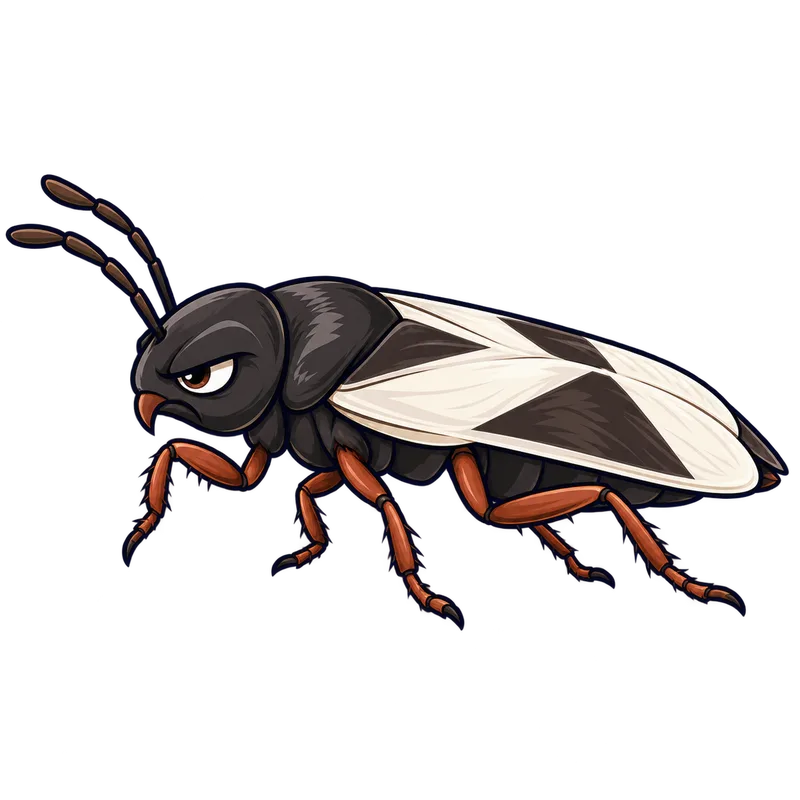
Southern chinch bug
Blissus insularis
- Size
- 1/6 inch to 1/5 inch long
- Color
- Dark grayish-black with white wings
- Habitat
- Warm-season lawns in the southern United States
- Diet
- Sap from turfgrass stems
- Life cycle
- Egg, nymph, and adult stages
The southern chinch bug is a specialist in damaging warm-season lawns across the southern United States. When you kneel down to inspect a dying patch of grass, you are looking for an insect that measures roughly 1/6 inch to 1/5 inch long as an adult, which puts it near the size of a grain of rice. The body is dark grayish-black with white wings folded flat over the back that display a small black triangular patch on the outer margin of each wing.
Identity
With a magnifying glass, you can spot the needle-like mouthpart tucked under the head, which these bugs use to pierce plant tissue. They do not hide deep in the soil like grubs. They stay right up on the thatch line and crown of the grass, scattering quickly if you part the blades on a sunny afternoon.
Homeowners frequently mistake southern chinch bug damage for simple heat stress or drought. The difference is the forty-eight-hour water test. If you irrigate a drought-stressed patch of turf, it greens back up within a day or two because the roots remain functional. Chinch bug-damaged turf stays brown and matted because the bugs inject a salivary toxin that plugs the water-transporting vessels inside the plant stem.
You might also confuse them with white grubs, but grubs live underground and chew roots, allowing you to peel the turf back like a loose rug. Chinch-damaged grass stays firmly anchored to the soil. Two-lined spittlebugs can cause similar turf yellowing, but they usually start in shady areas near shrubs, whereas chinch bugs prefer direct sun and avoid dense shade.
Habitat & behaviour
You will rarely find a southern chinch bug thriving in a damp, shady corner beneath a large tree. They demand direct sun and thick thatch layers. St. Augustinegrass is their preferred meal, though they also settle for zoysiagrass, Bermudagrass, centipedegrass, or fine fescue if conditions are right.
Their life cycle revolves around hot weather. In the Deep South, they produce three to four overlapping generations a year, while cooler transition zones usually see two. Overwintered adults and mature nymphs survive the cold months tucked inside dry thatch or soil crevices, then wake up to feed and reproduce as soon as spring temperatures rise. Populations expand during the peak of summer when heat stress increases and lawns dry out.
Instead of staying put in one spot, these insects feed in dense, expanding crowds. They start in small, irregular yellow patches exposed to the sun, sucking sap out of the stems and injecting toxic saliva. As the grass in the center of the patch dies, the entire colony moves outward into the surrounding healthy green turf. That marching behavior is why you look for them along the green outer perimeter where the living bugs are actively feeding, rather than in the center of a brown spot.
Visual variations
This is a solitary insect that develops through incomplete metamorphosis, skipping the resting pupal stage completely to move straight from an egg to a nymph and finally an adult.
The egg stage starts tucked neatly inside leaf sheaths or stem nodes, looking like tiny, elongated specks that are almost impossible to notice without squinting. When they hatch, the youngest nymphs emerge as microscopic dots measuring roughly 1/20 inch long. At this early point, they are bright yellow or vivid red and pink, featuring a distinct white stripe running right across the middle of their abdomen. That pale band against a reddish body makes a reliable field marker for identifying a young chinch bug.
As the nymphs progress through five separate growth stages over four to six weeks, their bodies darken into a deep brownish-black. During their final pre-adult phases, you can spot small, dark wing pads starting to form on their thorax, even though they still lack fully functional wings.
Once they reach the adult stage, they grow those familiar white-and-black patterned wings that fold flat over their dark frames. Differences between the sexes are minor, so trying to tell males from females in the grass is a waste of time. Both adults and older nymphs share the exact same piercing-sucking feeding habits, causing the exact same damage to the lawn as they shift through their color phases.
Why it matters
An uncontrolled chinch bug population can turn a healthy residential lawn or golf course fairway into a dry, matted wasteland within a few short weeks. Because their toxic saliva blocks the water-transporting vessels of the grass, the plant can no longer pull moisture up from the soil, creating a scorched, melted appearance in full sun.
When you suspect an infestation, you can check for yourself using a simple flotation test. Push an open-ended metal cylinder or a coffee can with both ends removed two to three inches deep into the soil at the green edge of a damaged turf patch, and fill it with water. Hold the water level steady for five to ten minutes and watch the bugs float to the surface. If your count exceeds local action thresholds, you are dealing with a heavy population that demands attention.
You do not have to worry about these bugs biting you, stinging your children, or transmitting diseases to your pets, since they only feed on plants. Even so, managing a severe outbreak usually involves chemical treatments, which means paying strict attention to local regulations. Chinch bugs can grow resistant to standard insecticides over time, prompting both homeowners and professionals to rotate between alternative active ingredients.
Whenever you apply chemical controls, follow the product label directions precisely. Never treat a bone-dry lawn, otherwise the chemicals will severely burn the grass. Water the turf beforehand following the label instructions, and always keep children and pets away from the treated area until the spray dries completely.
Similar species
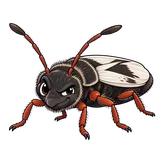 Hairy chinch bugBlissus leucopterus hirtus
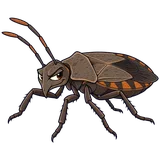 Squash bugAnasa tristis
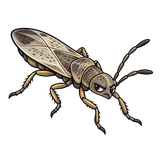 False chinch bugNysius raphanus
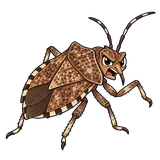 Brown marmorated stink bugHalyomorpha halys
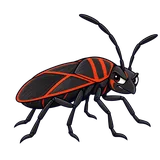 Boxelder bugBoisea trivittata
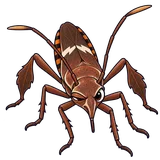 Western conifer seed bugLeptoglossus occidentalis